# The man you become on holiday is the man you actually are (most of you won't like what you find)
**作者**: lifemaxxers
**日期**: 2026-04-20T06:48:30.000Z
**来源**: [https://x.com/lifemaxxjourney/status/2046118793219362819](https://x.com/lifemaxxjourney/status/2046118793219362819)
---
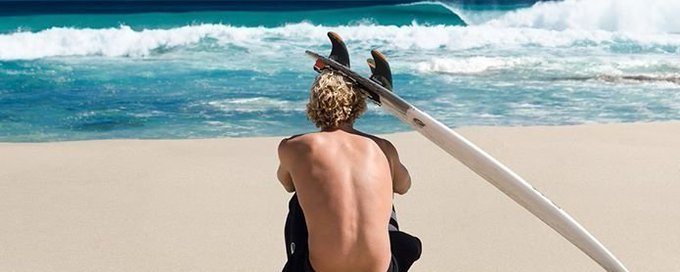
A holiday is the most honest week of a man’s year.
You’ll never be watched more closely. You’ll never notice it less.
Ten days in the sun reveal everything about a man — his body, his taste, his confidence, his friends, who he becomes when the noise of his ordinary life drops away. The office clothes come off. The routine disappears. The titles and the mortgage and the Monday meetings all stop mattering the moment the plane leaves the tarmac, and what’s left on the other side is just a man in shorts. Stripped of the scaffolding he’s spent all year hiding behind.
Most men find the experience unsettling without knowing why. They book the bigger suitcase. They over-plan the itinerary. They fill every hour. Anything to avoid the silence where the real question lives: who am I when none of this other stuff is holding me up?
The holiday isn’t the escape from your life. It’s the audit of it.
Most men come back with a tan, a bag of laundry, and exactly the same life. A few come back with something else. Evidence of who they could be.
The Body
The first pool day tells you whether you prepared or whether you lied to yourself for six months.
You don’t get the body on the plane. You don’t get it at the hotel gym the morning you arrive. You get it in the four weeks before the flight — and honestly, in the four months before that. The early mornings when it was still cold. The food you actually measured. The drinks you didn’t have. The walk you took instead of the takeaway. The man standing by the water on day one is the accumulation of every small decision made by the version of him who had no holiday in sight. Future-you is paid for by past-you. Every time.
The tan isn’t vanity. It’s evidence you’ve been outside. Most men haven’t. Most men spent the last six months moving from one air-conditioned box to another — car, office, train, flat — and their skin tells the truth the moment the shirt comes off. Pale isn’t wrong. But pale plus soft, pale plus tired, pale plus the specific shade of grey that office lighting leaves on a man by April — that’s not a look you recover from on a Tuesday by the pool.
Shirtless is the great equaliser. No watch, no car, no job title. Just the body you built or the body you didn’t. You will be photographed that week. You will be filmed. You will be tagged in group WhatsApps you can’t delete yourself from. Pretending this isn’t true is why most men look the way they do in other people’s holiday albums three years later.
A lean body in a white linen shirt will do more for you in July than the entire wardrobe you bought for winter.
And none of this is about being shredded. The lifemaxxer doesn’t need veins in his stomach. He needs posture, a flat waist, shoulders that fill the shirt, and skin that’s seen the sun before Tuesday. That’s it. That’s the whole bar. Every man reading this is four months of quiet effort away from clearing it.
The Wardrobe
Most men dress worse on holiday than at any other time of the year.
The uniform they built at home doesn’t survive the heat, and they haven’t bothered to build another one. So they default to whatever’s at the bottom of the drawer. The football shirt from 2014. The shorts with the frayed hem. The flip-flops from a previous trip to a previous country. An outfit assembled entirely by accident, worn in front of strangers, photographed for eternity.
You need less than you think. Three shirts. Two pairs of shorts that actually fit. One pair of trousers for dinner. A linen overshirt for when the wind picks up at night. Two pairs of shoes. That is the suitcase. The man wheeling something the size of a small fridge through departures has already lost — he’s packed for every version of himself he thinks he might need to be, and he’ll end up wearing the same three things anyway.
Linen is the single most underrated fabric in a man’s wardrobe. White, stone, navy. That’s the palette. Shorts end above the knee. If you have to ask why, you’re not ready. Flip-flops stay on the beach and nowhere else. Everywhere else, it’s loafers, leather sandals, or a clean pair of white trainers. Pick a lane.
Avoid logos. Avoid novelty prints. Avoid the holiday shirt your girlfriend bought you that says something in Italian you can’t translate. Avoid anything neon. Avoid anything that reads as costume. The rule is simple: if a man from Milan wouldn’t wear it walking home from the market, you shouldn’t wear it either.
Sunglasses aren’t an accessory. They’re the centrepiece. Spend the money once, wear them for ten years. A watch you can get wet. A bag you can throw on the floor. A shirt that looks better when it’s creased.
And the dinner look matters more than any of the rest. It’s the moment of the day where the line between the man who knows and the man who doesn’t becomes visible at ten paces. Clean trousers, tucked shirt, belt, quiet watch, hair recently wet. Nothing loud. Nothing trying. A man dressed for dinner looks like he has somewhere to be, even when he doesn’t.
The best-dressed man on the trip wore the same five pieces all week and nobody noticed until Thursday.
The Mind
Don’t travel with the arrogance of your own culture.
The man who drinks Carling in a British-themed pub in Mallorca has left the country without ever leaving himself. He’s flown 1,200 miles to recreate the Wetherspoons round the corner from his flat. He’ll spend the week surrounded by other Englishmen, watching football in 32-degree heat, complaining about the food, complaining about the heat, complaining about the service, and at the end of it he’ll go home and tell people he’s been to Spain.
The other version of him — the one he could have been — is on a coastal path he’d never heard of a week ago. He’s eating something he can’t pronounce. He’s talking to a waiter who’s been pouring wine in that same restaurant since before he was born. He’s seen the history, the coastline, the scenery. He’s come home with something the first man doesn’t have: the sense that the world is bigger than the postcode he grew up in.
Immerse yourself. You have no idea where it leads.
Understand what the week is actually for. Most men think the point is to switch off. That’s half of it. The real point is to switch off for moments — the espresso on the terrace, the afternoon in the sun, the slow lunch that lasts three hours — and then, in between, to do the things that change you.
Take the bungee jump. Do the dive. Have the cigar on the beach at midnight. Rent the bike and find the village the bus doesn’t go to. Go cliff-jumping with men you met that morning. Talk to the Greek woman at the next table as if she understands every word, because by Sunday you’ll be gone and neither of you will remember the grammar. The holiday is the one place where the rules of your ordinary life don’t apply and nobody will be there next week to remind you who you were. Use that.
The man who only relaxes comes home rested. The man who relaxes and takes the risk comes home different.
Now, the phone. The single biggest threat to the trip you’re paying for.
The man who checks his phone every six minutes by the pool hasn’t gone on holiday. He’s dragged his entire ordinary life with him in a glass rectangle and set it down next to the sunlounger. The WhatsApp groups. The work email he promised himself he wouldn’t open. The football scores. The girl he’s half-seeing who he’s somehow managing to argue with from 2,000 miles away. None of it can wait until Sunday. All of it is waiting until Sunday regardless of how many times he checks.
Put it down. Airplane mode from breakfast to dinner. The photographs can wait. The messages can wait. If you came on holiday to scroll, you could have done that at home for free.
The Solitude
The test nobody tells you about is this: spend a Tuesday afternoon on your own.
Not scrolling. Not calling home. Not killing time until the lads wake up. An actual afternoon — three hours, four hours, a walk and then a drink somewhere you’ve never been, with no company and no plan.
Most men cannot do this. They don’t know they can’t until they try. The silence gets loud. The head fills up with things they’ve been outrunning for a year. The urge to open the phone is physical. The instinct is to find someone, anyone, to plug the gap. A bartender to talk to. A tour to book. A shop to wander into. Anything to not be alone with themselves for a single unstructured hour.
The lifemaxxer sits with it.
He orders the drink. He watches the street. He walks the long way back. He lets the thoughts arrive, and he finds — usually by the second hour — that the static clears, and underneath it is a man he hadn’t heard from in a while. Calmer. Less reactive. Thinking more slowly. Asking better questions.
This is the version of you the week was actually for.
Bring him back to dinner that evening and the table will feel it before you’ve said a word. Solitude isn’t loneliness. It’s the room you make for yourself when no-one else is asking for it. Men who can’t stand it become men who can never quite be present, because they’ve never met the person who was supposed to show up.
The Women
The energy abroad is different. Warmer. Looser. More curious. She’s on holiday too, and something in the air tells her this week doesn’t have to follow the rules of the week she flew in from.
The British man has one fatal setting when he lands. He either performs or he hides. Neither works. The third option is presence, and nobody ever taught him that one.
A woman across a restaurant in a small town is not the same test as a woman in a London bar. She’s relaxed. She’s already noticed you before you noticed her. She’s waiting to see what you do with it. Eye contact held for one second longer than comfortable. A small smile. That’s the entire opening. Anything more elaborate is trying, and she can feel you trying before you’ve stood up.
You are not in a rush. Acting like you are in a rush is why she lost interest before you crossed the room.
Approach in the language of the country, even if you butcher it. The attempt is the charm. Perfect English is the tourist tax, and the man who leans on it has told her within the first sentence that he refused to meet her halfway.
The man who eats alone, reads a book, orders a second glass, and doesn’t check his phone is the most interesting man in the restaurant. He doesn’t know it. Everyone else does. The waitress is glancing over. The couple at the next table have built an entire backstory for him in their heads. He’s simply sat there — but sat there with a stillness that no other man in the room is pulling off, because no other man in the room has learnt how.
A man at ease with his own company is instantly legible as a man who has things in his life that other people want to be near.
The worst thing you can do is pretend this doesn’t matter to you. The second worst is pretending it matters too much.
The Friends
Who you travel with is who you become for a week. Choose accordingly.
There’s always one. The mate who’s a little tired. Who’ll sleep in and miss the sunrise. Who doesn’t fancy going out tonight. Who’s booked the same flight as you and then spent the whole trip negotiating his way out of every plan on it. He wanted to come. He’ll say so. He’s just not feeling it right now. He’ll be ready in an hour. The hour becomes two. The dinner gets pushed. The boat gets cancelled. The night dies in the hotel room.
Look, if he wants to spend his one week of the year in bed, let him. It’s his life. Call him gay and leave him behind.
Because the other version of the trip is waiting for you outside. The 5am walk down to the harbour. The boat you weren’t going to book. The bar the locals go to after the tourists have left. The conversation with the stranger that turns into a dinner invitation the next night. You don’t remember the afternoons you spent waiting for someone else to be ready. You remember the nights you went anyway.
Then there’s the phone mate. Physically present, mentally in the group chat, permanently half in the room. He’ll reply to work emails at dinner. He’ll film the sunset for his story instead of watching it. He’ll take eighty photographs of a meal and eat it cold. You are not on holiday with him. You are on holiday near him.
And the performer. Loud at every table. First round of shots at a dinner that was never about shots. Drags the evening where he wants it because he cannot stand an evening that isn’t about him. Every holiday group has one. Every holiday group is slightly worse for him being there.
The best travel companion is the man who makes you braver than you’d be alone. The one who says yes to the thing you were about to talk yourself out of. The one who’s awake at 5am without needing to be asked. The one who sits in a silence with you at dinner because neither of you has anything to prove and neither of you is uncomfortable with the quiet. That man is worth more than ten of the other kind.
And once in your life, travel alone. A week on your own, in a country where nobody knows you, speaking a language you don’t speak. The lifemaxxer does this before thirty and it marks him for the rest of his life. You come back with a confidence that cannot be faked or bought, because you’ve proved to yourself that you can stand in a foreign city at 10pm on your own with a glass of wine and be fine.
You find out which friends to keep by Tuesday. Act accordingly.
The Taste
Taste is the quiet currency of the holiday. Nobody announces it. Everyone notices.
Eat where the tourists don’t. This takes ten minutes of walking and a willingness to read a menu you don’t fully understand. The espresso standing at the bar costs half what it costs sitting down — the men who stand are the men who know. Order what the table next to you is eating, especially if they’re local and over sixty. A Sicilian in his seventies with a napkin tucked into his collar has never in his life ordered badly. Follow him.
A long lunch with wine is not an indulgence. It’s the correct use of the afternoon. Two hours, three hours, a bottle between two, a second espresso at the end, the walk back in the sun that half the day has already left in. This is the rhythm the Mediterranean has been keeping for two thousand years. You’re not too busy for it. Nobody is.
The food you remember from the trip won’t be from the restaurant with the view. It’ll be from the place with six tables and no website. Six tables, a handwritten menu, and a woman in the kitchen who hasn’t updated her recipe since 1974. The waiter is probably her son. The wine is probably from the hill you can see from the door. Nobody on TripAdvisor has heard of it. Everybody who matters has.
Walk through a market at 8am. The men unloading boxes. The fish laid out on ice. The smell of bread from somewhere behind you. You don’t have to buy anything. You have to witness it. This is how the place you’re in actually lives when the tourists are still asleep.
A cigarette after dinner. A cigar on the beach at midnight. A second glass of something bitter and dark at 11pm. These are not vices on holiday. They’re punctuation. The ritual that tells your body the day is closing the way it was meant to close, instead of the way it closes at home — phone, scrolling, bed, a film that’s been on in the background for an hour.
The man with taste never needs to explain what he ordered. He just orders.
The Return
You’ll come home with a tan, a bag of laundry, and a choice.
Which version of the week do you keep?
The flight back is where most men lose it. The minute the seatbelt sign comes on, the old life starts reassembling itself in their heads. The inbox. The commute. The group chats. The girl they were avoiding. The responsibilities they spent a week pretending were someone else’s problem. By the time the plane lands, the man on the beach on Tuesday is already gone, and the man who boards the Gatwick Express on Monday morning is the same man who left.
The tan fades in three weeks. The habits don’t, if you hold onto them.
The man you were on Tuesday night in that small square — present, unhurried, interested, quietly confident, no phone, no rush, no need to prove anything — that wasn’t a holiday version of you. That’s just you, when the noise stops. The holiday didn’t give you anything. It got out of the way long enough for you to see what was already there.
Most men leave him in the airport.
They land on Sunday. By Monday they’ve checked 200 emails. By Tuesday they’ve stopped walking to work. By Wednesday the phone is back on the bedside table. By Friday the tan is the only evidence they were anywhere at all. And the following April, they book another trip in the hope that this one will be the one that changes them — not understanding that the trip was never going to change anything. The man they met on Tuesday was going to change everything, if they’d let him.
The point was never the week away. The point is the man you met while you were there.
Bring him home.
## 相关链接
- [lifemaxxers](https://x.com/lifemaxxjourney)
- [@lifemaxxjourney](https://x.com/lifemaxxjourney)
- [45K](https://x.com/lifemaxxjourney/status/2046118793219362819/analytics)
- [Upgrade to Premium](https://x.com/i/premium_sign_up)
- [2:48 PM · Apr 20, 2026](https://x.com/lifemaxxjourney/status/2046118793219362819)
- [45K Views](https://x.com/lifemaxxjourney/status/2046118793219362819/analytics)
- [View quotes](https://x.com/lifemaxxjourney/status/2046118793219362819/quotes)
---
*导出时间: 2026/4/20 21:27:05*