# What is intelligence?
**作者**: Will Chen
**日期**: 2026-07-21T18:40:10.000Z
**来源**: [https://x.com/stablechen/status/2079637577699844504](https://x.com/stablechen/status/2079637577699844504)
---
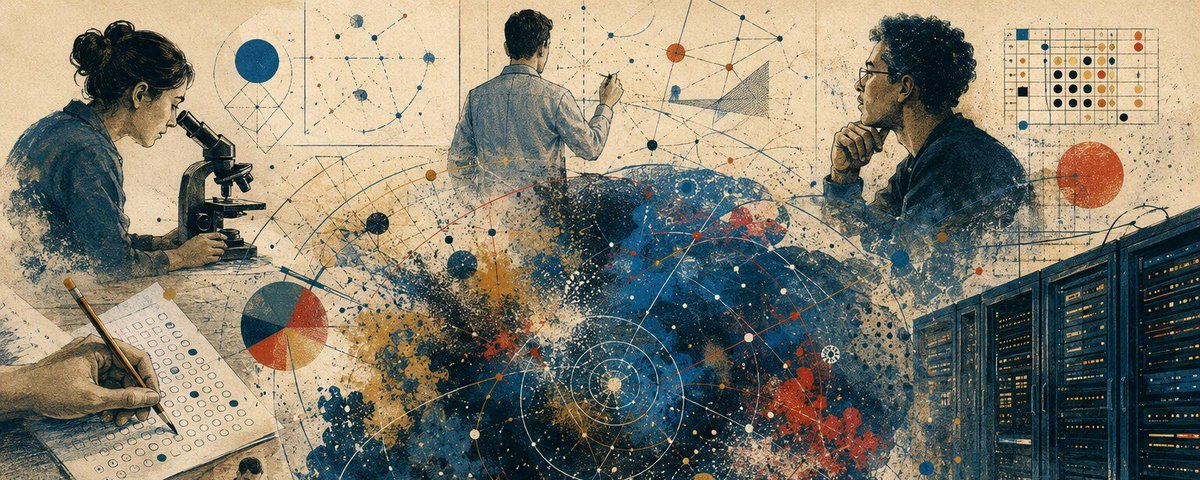
It may be the question of the decade. We keep circling it whenever we ask whether models think or imitate thinking, whether they are approaching us or remain nowhere close, what IQ ever measured, and whether the quality that made humans distinctive is now being manufactured in datacenters.
Beneath all of that fascination sits an awkward fact: we never agreed on what the word means. We built tests around it, organized schools around it, and now have a trillion-dollar industry resting on it, while the concept at the center remains strangely loose.
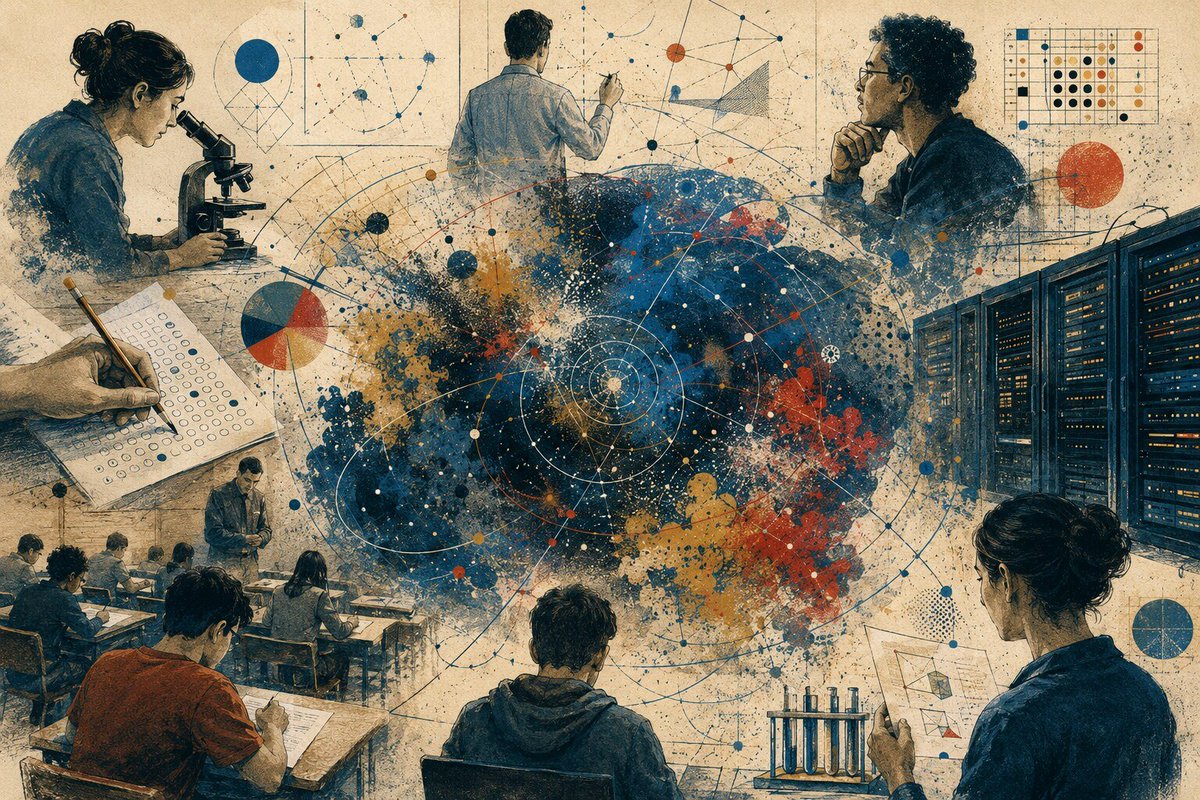
For most of history, the question was difficult to move because intelligence came installed in people, whom you cannot take apart to check. That changed when AI became something ordinary people could use. If you have worked seriously with a model this year, you have poured and metered capability, watched it reason in visible steps, and seen it perform brilliantly on ten tasks before failing inexplicably on the eleventh. The oldest question about the mind has become something you can handle directly.
That makes it worth asking again. I want to offer three lenses—intelligence as a trait, as search, and as flow—because each explains something the others miss. They appear to conflict at first, but together they produce a more useful picture.

## The lens we inherited: intelligence as a trait
The default theory arrives through grammar. We use intelligence as a noun: she has it, he lacks it, one person has more than another. The word begins to resemble height, a fixed personal possession that varies along a single axis.
Few people explicitly argue for this theory, yet school makes it official through tests and tracking before most of us think to question it. By adulthood, ranking people from more to less intelligent feels like measuring a property rather than imposing a model.
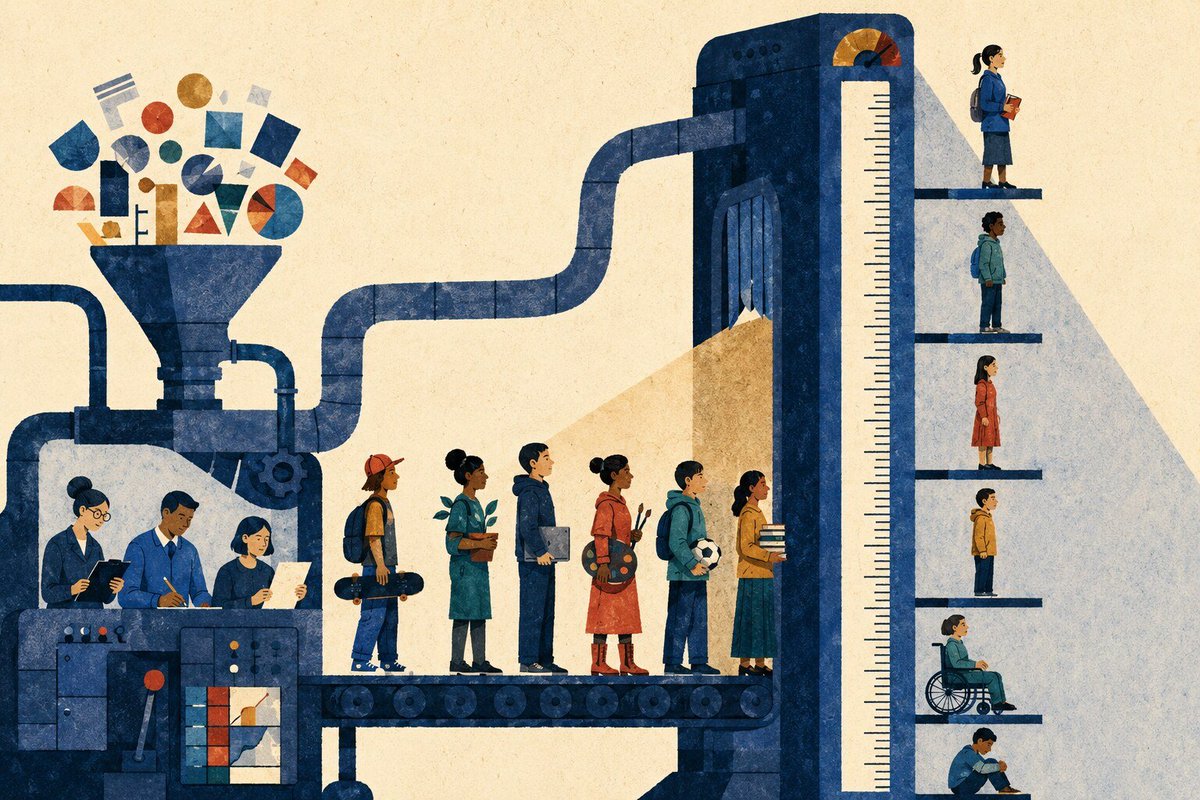
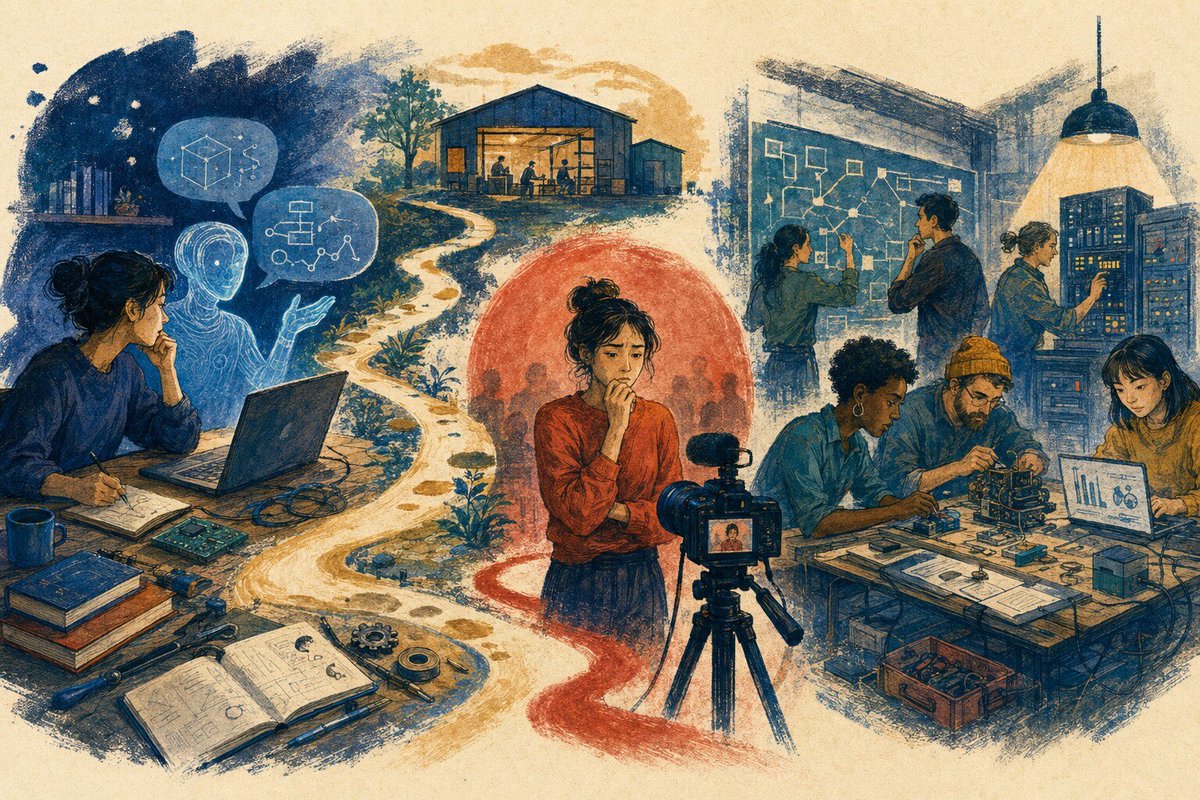
The model performs badly against real cases. I know a friend who built a business earning roughly a million dollars a year in a technical field where he had no background. He first encountered the service as a customer, realized AI could probably perform much of the work, then built the operation by asking questions and trying things. His brain did not change between the years when he was unable to do this and the year when he did it.
The same instability appears everywhere. A fluent, impressive speaker can freeze when a camera points at him because speaking to a lens is a trained skill of its own. In a technical room, the ranking of “smartest person here” can change twice in ten minutes as the problem moves across domains. What looks like a property of the person is often a property of the path they followed: the problems they encountered, the methods they learned, and the structures that preserved their effort.
There is also a physics problem. Every human brain runs on roughly twenty watts, and yours cannot be pushed to a hundred watts so you can think five times harder; the organ would cook. Processing power across healthy human brains varies modestly, while visible outcomes vary by orders of magnitude. Hardware differences measured in percentages cannot explain thousandfold differences in output, so much of the variance must live in method, time, environment, and compounding.
When those causal chains become too large to hold, we compress them into the word genius. A breakthrough may depend on thousands of prior contributors, instruments, institutions, collaborators, and accidents of timing, yet the story is assigned to one protagonist. The protagonist was real. The surrounding system was real too, even when the story makes it disappear.
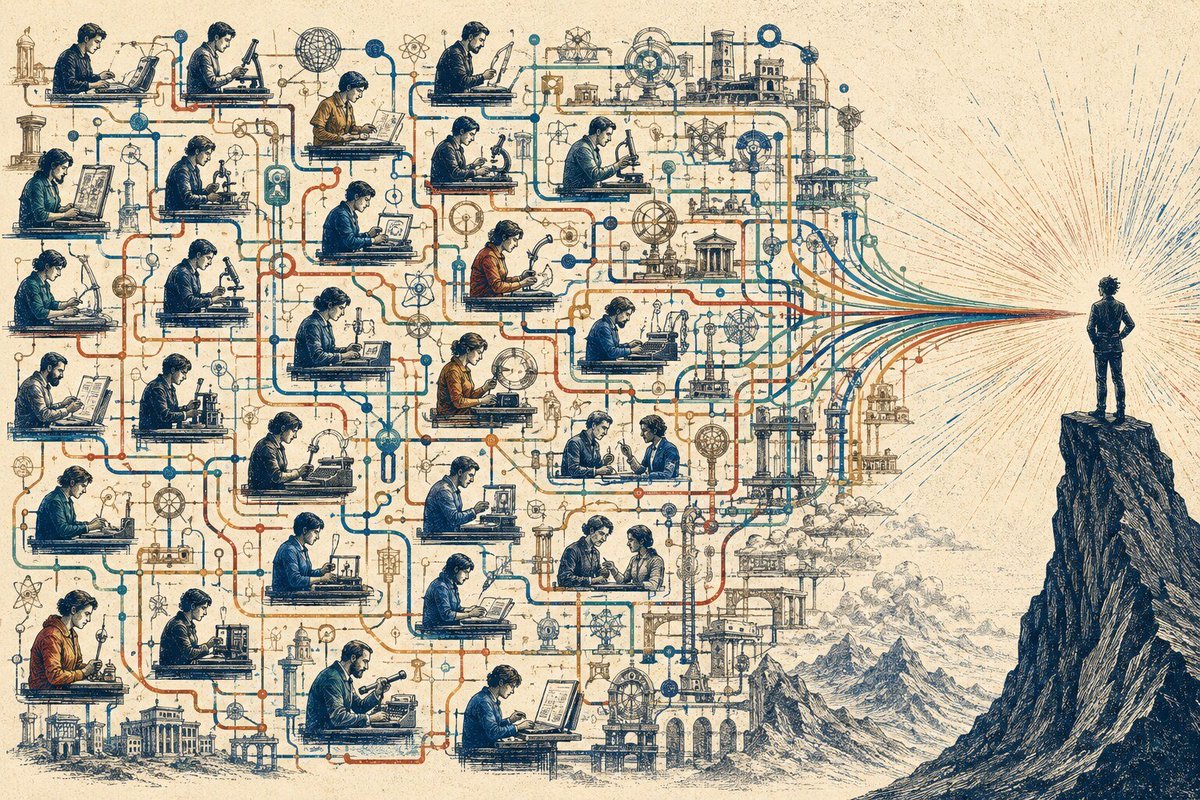
The trait lens keeps mistaking accumulated structure for personal substance. To see where capability comes from, we need a lens that includes the path.
## A second lens: intelligence as search
A search process generates possibilities, tests them, keeps what survives, and repeats. Evolution runs this loop through mutation and selection, producing eyes without anyone designing an eye. Science uses hypotheses and experiments; markets use ventures, feedback, and failure. AI models use a version of the loop when they sample candidates and when whole model generations are selected against benchmarks.
This account explains how genuinely new capability appears. Enough variation combined with honest selection can produce results that look like brilliant design even when no one foresaw the route. You can test the principle on ordinary work: several real attempts followed by ruthless selection usually beat trying to be brilliant in one shot.
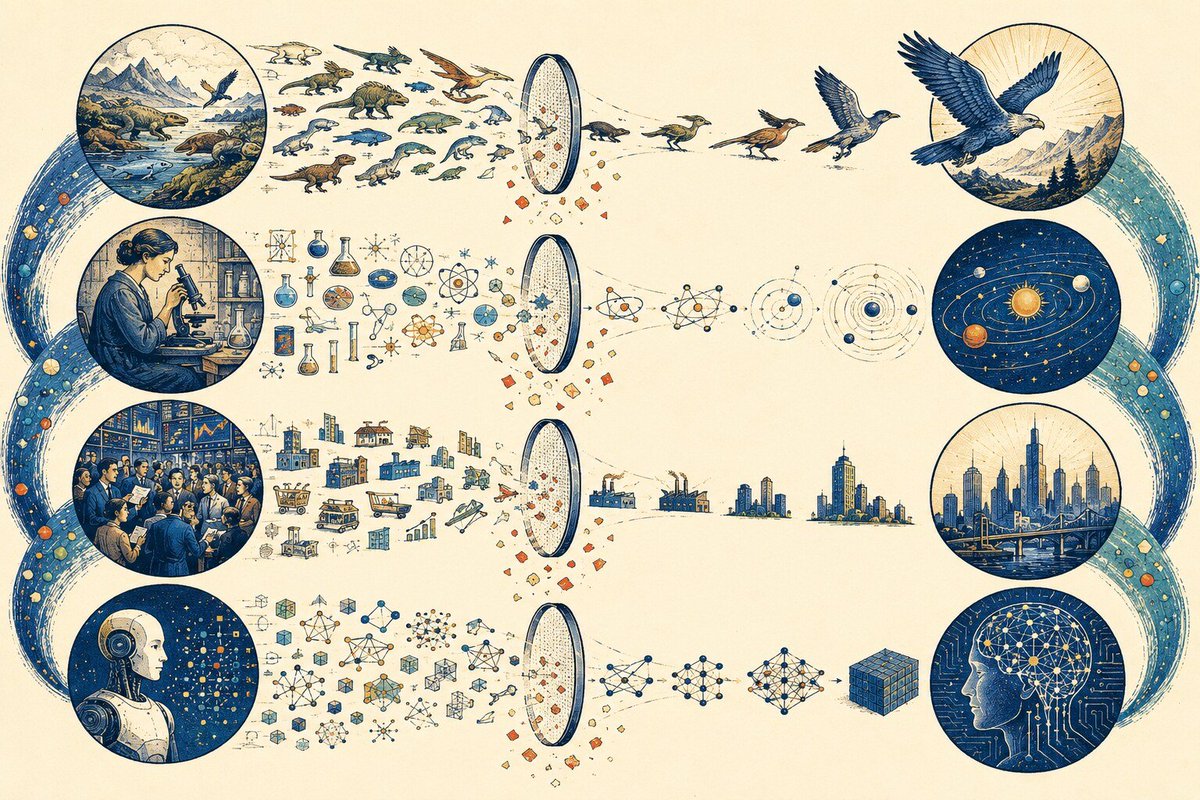
Search removes some of the mystique around intelligence, but it leaves a question behind. Searching sounds deliberate: an agent has a goal, generates candidates, and checks them against a target. Much of what intelligence does at scale looks less aimed than that.
## A third lens: intelligence as flow
Consider how a competent intelligence agency operates. It cannot begin with one master plan for everything it might discover. Instead, it probes constantly across many fronts and exploits whatever yields. No individual probe is especially important, and no route has to be chosen in advance. Under enough pressure, some route through tends to be found.
The same signature appears outside agencies. Incentives find loopholes, demand finds suppliers through legal channels or otherwise, and water finds a crack. The route emerges from pressure distributed across many attempts rather than from a mind that planned it.
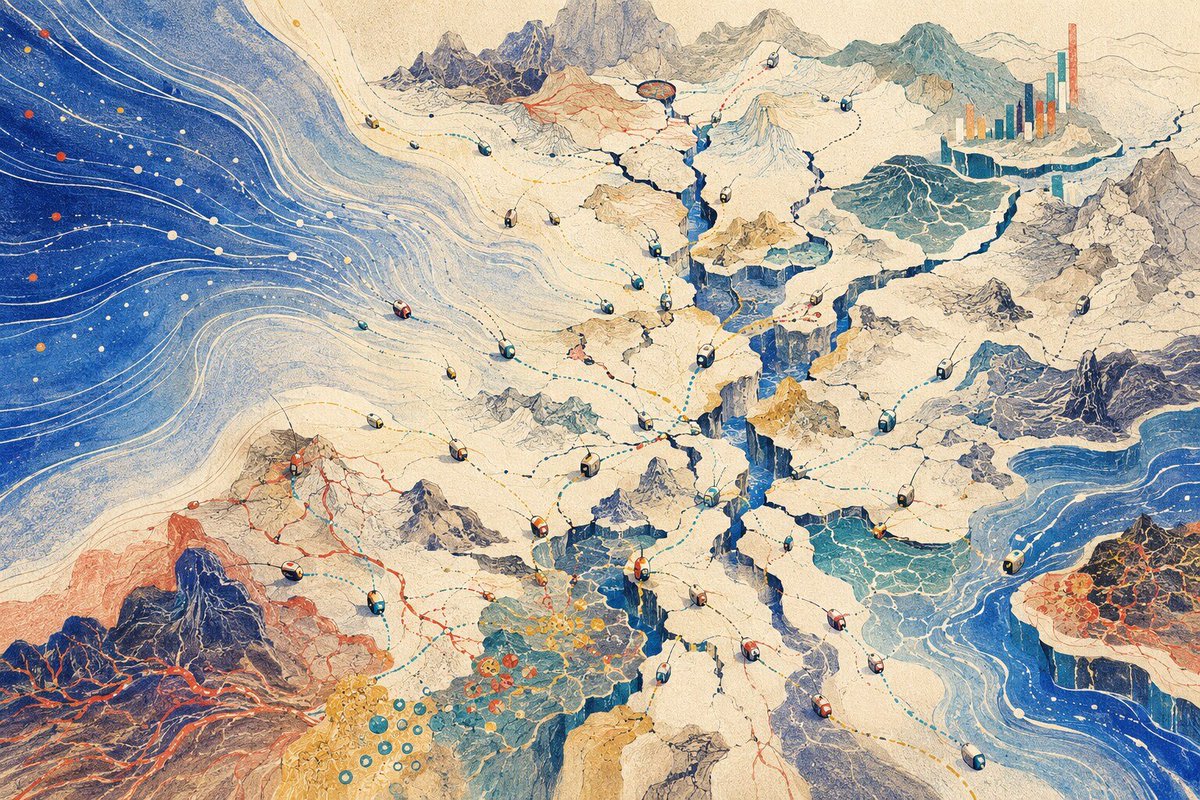
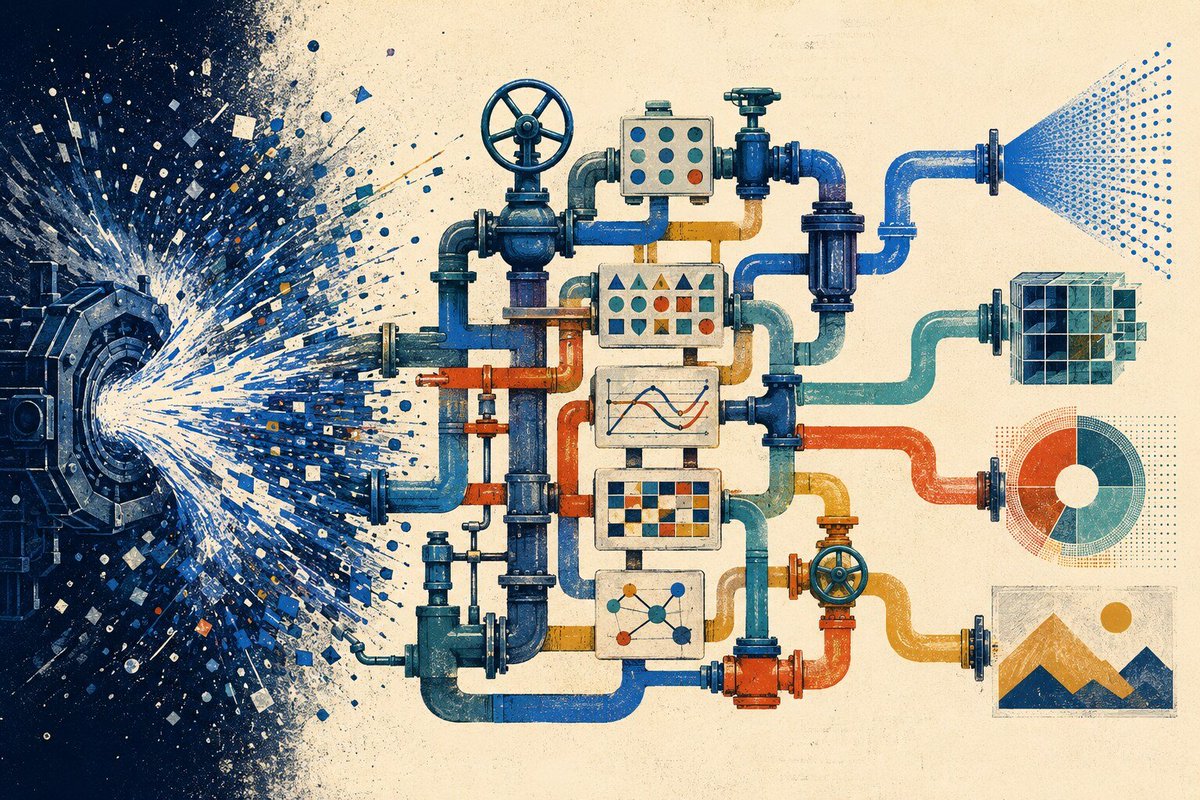
Working with AI gives this metaphor a physical quality. A powerful model can feel less like a colleague than pressure in a hose: raw capability looking for somewhere to go. The rules, examples, checks, and pipelines built around it function as plumbing, turning an indiscriminate spray into repeatable work.
Once you have felt that pressure, asking how much intelligence a system “has” becomes less interesting. The practical questions concern where the capability is going, which openings it can reach, and what is shaping the route.
## How the lenses fit together
Search and flow are the easiest pair to reconcile. Up close, each probe and candidate is a step in a generate-and-test process. At scale, millions of those attempts under shared pressure look like flow, finding many openings in parallel. They are the same process viewed at different magnifications.
A single collision belongs to physics, while enough collisions become weather. In the same way, an individual search step can be deliberate even when the large-scale pattern no longer resembles one agent following one plan.
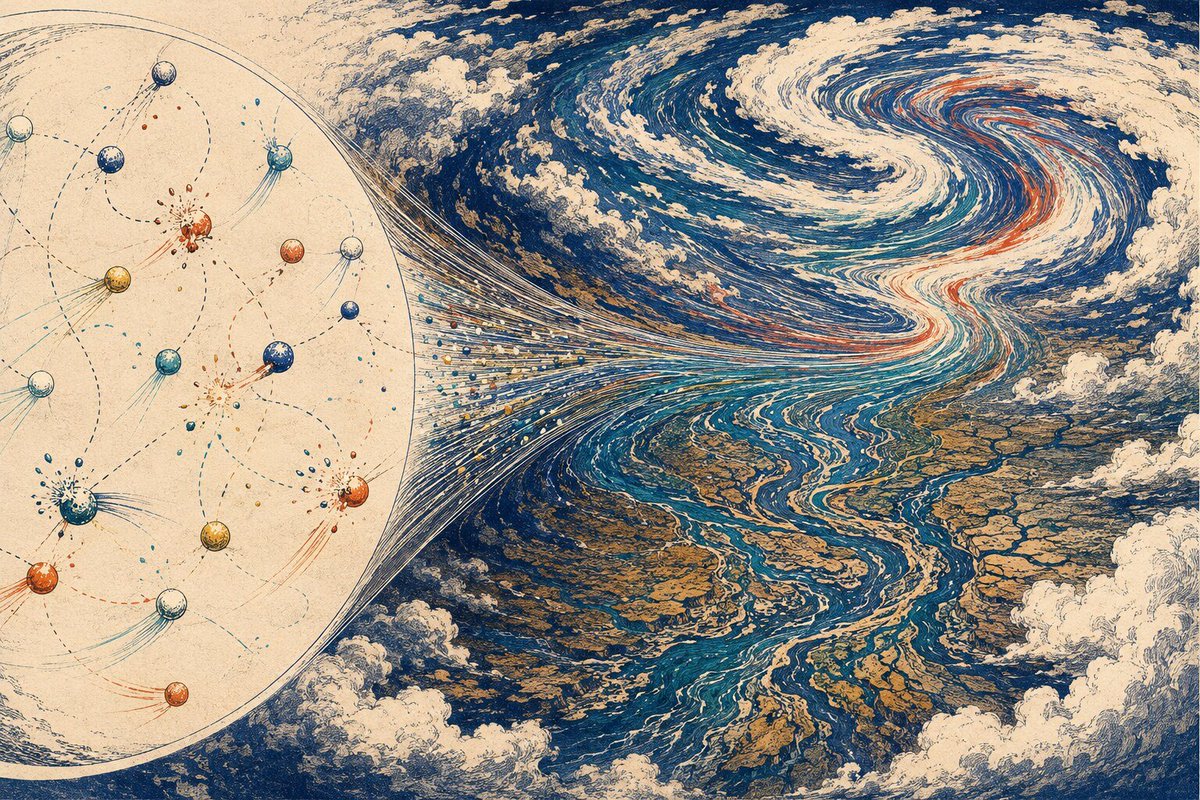
The harder issue is direction. Search needs a target or stopping condition, while flow has no purpose of its own. The direction comes from the structure around the intelligence. Water has no destination, but a riverbed gives it a route. A model has no purpose that matches yours until rules, examples, checks, and termination conditions aim its capability at your work.
Selection pressure is the container around evolution. Profit shapes the search performed by a market. An agent stops when its termination condition is met. Intelligence supplies the finding; the container determines which findings survive and what they amount to.
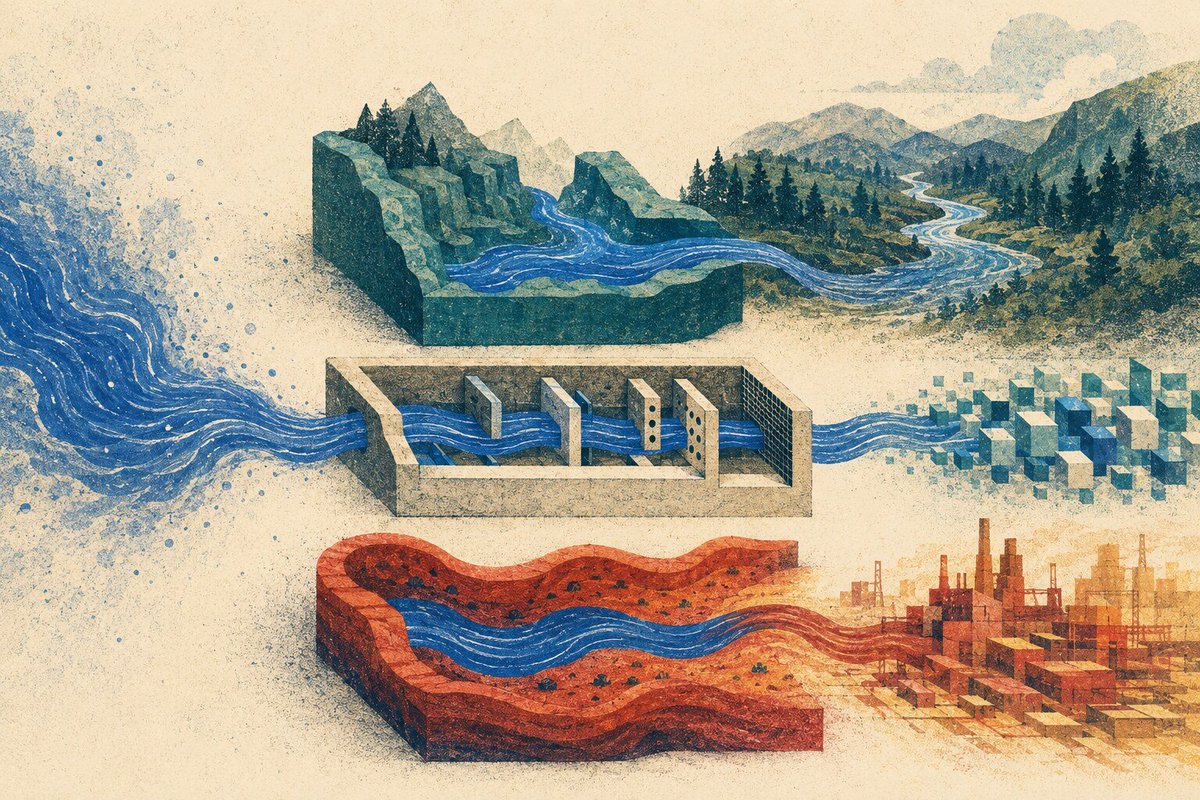
This also explains the evidence that broke the trait lens. People are twenty-watt processors standing in very different containers at the ends of different compounding paths. Move the same person into a structure with better tools, feedback, examples, and selection, and their performance can become unrecognizable without any corresponding change in raw brainpower.
I encountered a clean version of this while working with AI. After spending months building rules, annotated examples, and automatic checks around the strongest model available to me, I lost access and had to run the same work through a much cheaper model. The instructions and surrounding structure stayed fixed. On the qualities the structure explicitly encoded, the results still matched. A meaningful share of what I had credited to the model was living in the container.
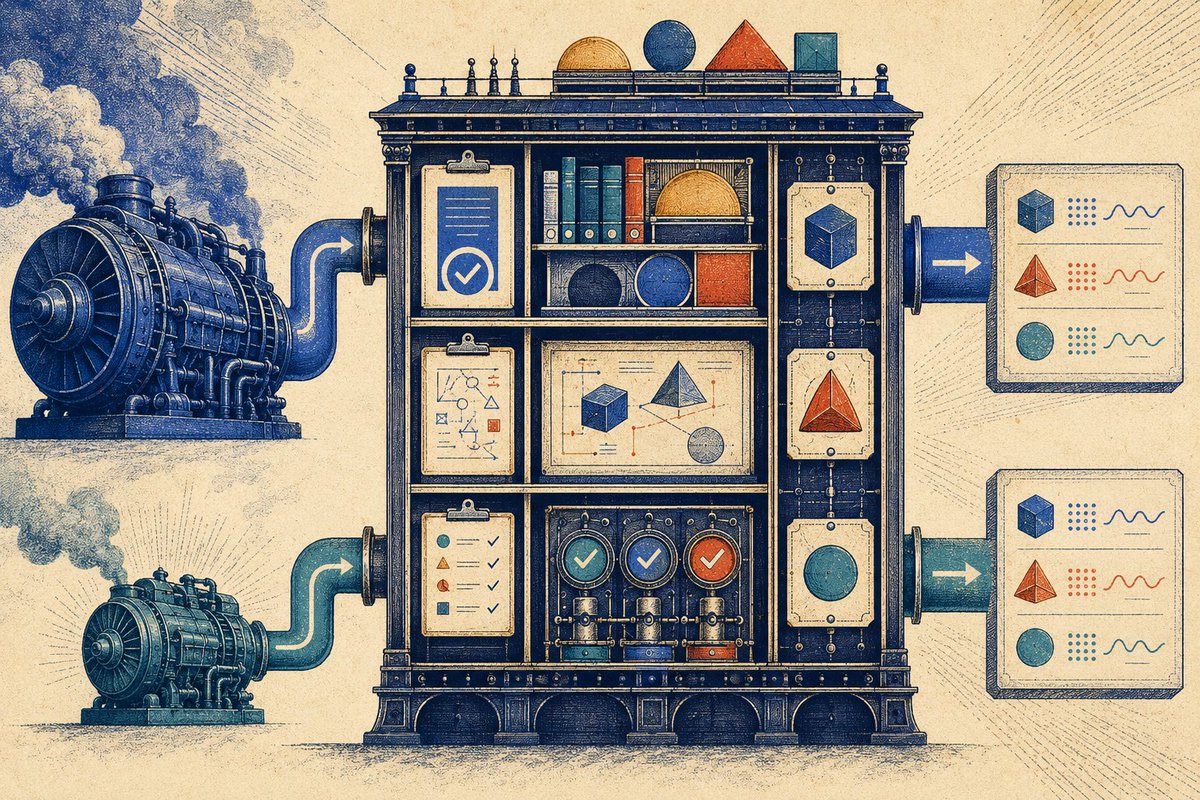
Companies run a noisier version of this experiment with people every day. An ordinary hire performs brilliantly inside a well-built organization, while an impressive hire flails when the surrounding system provides no traction. We observe the result constantly and continue booking most of the credit or blame to the person.
## What the composed picture changes
With AI, poor output often leads people to conclude that the model is incapable. The composed picture directs attention toward the whole system: the examples available to it, the checks that reject bad work, the information entering the context, and the pipeline carrying results forward. People who obtain extraordinary output from widely available models are usually building better riverbeds, and those structures continue working when the model changes.
Institutions deserve the same treatment. Metrics get gamed, incentives get exploited, and demand routes around barriers because intelligence flows through the openings a system provides. Moral surprise is a weak design strategy. A better container assumes that pressure will eventually discover every accessible path.
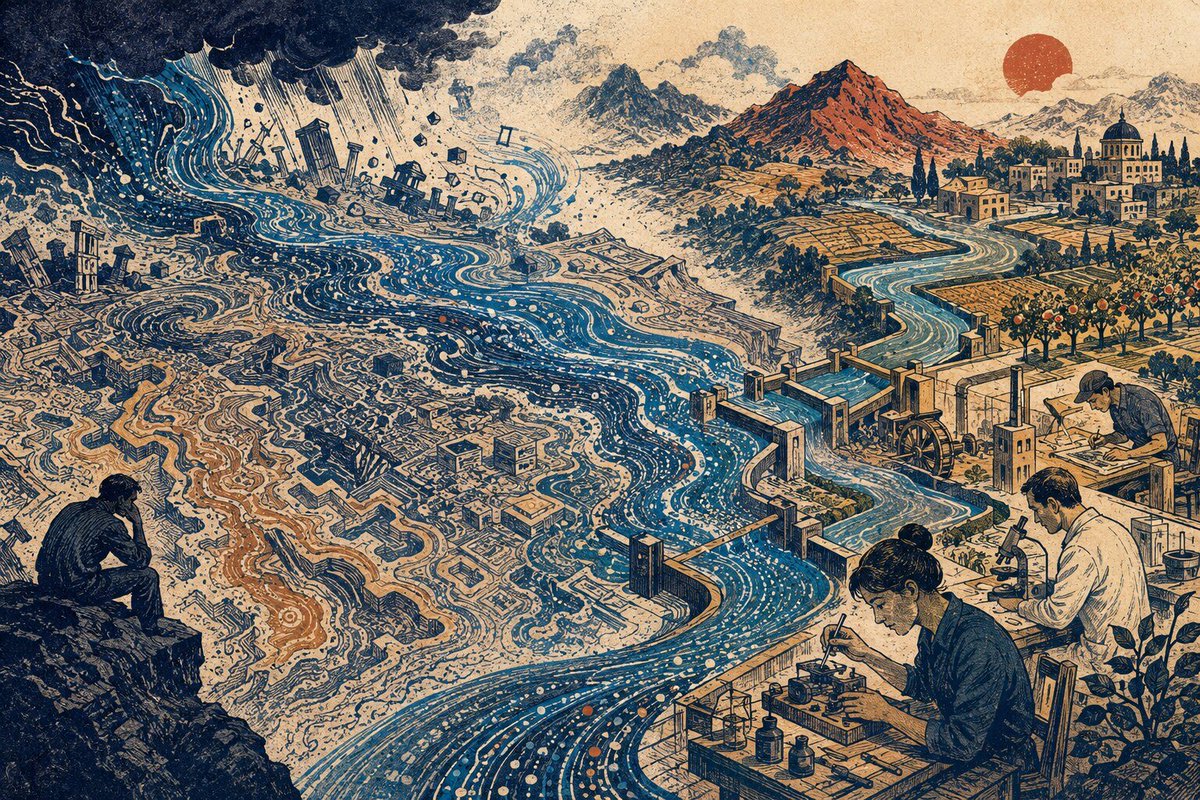
The personal question changes too. “Am I smart enough?” assumes intelligence is a substance you possess in sufficient or insufficient quantity. More useful questions concern the structure around your effort, whether your methods allow learning to compound, and where your thinking makes contact with reality.
That last part matters because intelligence can elaborate without arriving anywhere. A capable mind with no constraint and no reality contact may produce intricate maps of nowhere, each one more convincing than the last. The container makes the difference between a flood and a river.
Taken together, the three lenses describe a searching, flowing process that finds what pressure and terrain allow, while built or inherited containers decide what all that finding becomes. Who has intelligence may be the least useful question available to us. Where it flows and what shapes it have answers we can inspect—and, increasingly, build.
## 相关链接
- [Will Chen](https://x.com/stablechen)
- [@stablechen](https://x.com/stablechen)
- [962](https://x.com/stablechen/status/2079637577699844504/analytics)
- [Upgrade to Premium](https://x.com/i/premium_sign_up)
- [2:40 AM · Jul 22, 2026](https://x.com/stablechen/status/2079637577699844504)
- [962 Views](https://x.com/stablechen/status/2079637577699844504/analytics)
---
*导出时间: 2026/7/22 09:38:17*
---
## 中文翻译
# 什么是智能?
**作者**: Will Chen
**日期**: 2026-07-21T18:40:10.000Z
**来源**: [https://x.com/stablechen/status/2079637577699844504](https://x.com/stablechen/status/2079637577699844504)
---

这可能是这十年来最重要的问题。每当我们问及模型是在思考还是模仿思考,是正在接近我们还是相去甚远,智商到底衡量了什么,以及那种让人类与众不同的特质如今是否正在数据中心被制造出来时,我们总会绕回到这个问题上。
在所有这些迷恋之下,隐藏着一个尴尬的事实:我们从未就这个词的含义达成共识。我们围绕它构建了测试,围绕它组织了学校,而现在一个价值万亿美元的产业也建立在此基础上,然而处于这一概念核心的东西却仍然出奇地模糊。

在历史的大部分时间里,这个问题很难推进,因为智能是内置于人体内的,而你不能把人拆开来检查。当人工智能变成普通人可以使用的东西时,情况改变了。如果你今年认真地使用过模型,你就会倾注并计量它的能力,看着它以可见的步骤进行推理,看着它在十个任务上表现出色,却在第十一个任务上莫名其妙地失败。关于心智最古老的问题已经变成你可以直接处理的东西。
这使得它值得再次被提出。我想提供三个视角——把智能视为一种特质、视为搜索、视为流动——因为每一个都解释了其他视角所遗漏的东西。它们乍看之下似乎相互冲突,但合在一起,它们能产生一幅更有用的图景。

## 我们继承的视角:作为特质的智能
默认的理论通过语法建立起来。我们将智能用作名词:她拥有它,他缺乏它,一个人比另一个人拥有更多。这个词开始类似于身高,一种沿着单一轴线变化的固定个人财产。
很少有人明确为这一理论辩护,但在大多数人开始质疑它之前,学校就通过测试和分班将其官方化了。到了成年,将人从聪明到不聪明进行排列,感觉就像是在测量一种属性,而不是在强加一种模型。

该模型在面对真实案例时表现糟糕。我认识一位朋友,他在一个没有任何背景的技术领域建立了一年营收约一百万美元的业务。他最初是以客户的身份接触到这项服务的,意识到 AI 可能可以完成大部分工作,然后通过提问和尝试建立起了这项业务。在他无法做这件事的年份和他能做到的那一年之间,他的大脑并没有发生变化。
同样的不稳定性随处可见。一个流利、令人印象深刻的演讲者当镜头对准他时可能会僵住,因为对着镜头说话本身就是一项需要训练的技能。在一个技术场合,随着问题在不同领域间转换,“这里最聪明的人”的排名可能会在十分钟内改变两次。看起来像是个人的属性,往往是他所遵循的路径的属性:他遇到的问题、他学习的方法,以及保存了他努力成果的结构。

还有一个物理学问题。每个人类大脑的运行功率大约都是二十瓦,而你的大脑不能被推到一百瓦让你思考得努力五倍;那个器官会“煮熟”。健康人类大脑之间的处理能力差异适中,而可见的结果却差异巨大(数量级之差)。以百分比衡量的硬件差异无法解释输出上千倍的差异,因此大部分差异必然存在于方法、时间、环境和复利效应中。
当这些因果链条变得太大而无法把握时,我们将它们压缩成“天才”这个词。一项突破可能取决于数千名先前的贡献者、仪器、机构、合作者以及时间的偶然,但故事却被归功于一个主角。主角是真实的。周围的系统也是真实的,即使故事让它消失了。

特质的视角不断地将积累的结构误认为是个人的实质。为了看清能力从何而来,我们需要一个包含路径的视角。
## 第二个视角:作为搜索的智能
搜索过程生成可能性,测试它们,保留幸存下来的,然后重复。进化通过突变和选择运行这个循环,在没有设计者的情况下制造出了眼睛。科学使用假设和实验;市场使用风险投资、反馈和失败。AI 模型在采样候选方案以及在根据基准测试选择整个模型代际时,使用了这个循环的一个版本。
这种解释解释了真正的新能力是如何出现的。足够的变体结合诚实的选择,可以产生看起来像是辉煌设计的结果,即使没有人预见到那条路线。你可以在普通工作中测试这个原理:几次真正的尝试 followed by 无情的筛选,通常比试图一枪打出个 brilliance 更有效。

搜索消除了围绕智能的一些神秘感,但它留下了一个问题。搜索听起来是有意图的:一个代理有一个目标,生成候选者,并根据目标检查它们。大规模的智能所做的事情看起来不那么像是有目的的。
## 第三个视角:作为流动的智能
考虑一个称职的情报机构是如何运作的。它不能以一个可能发现所有事情的总体规划开始。相反,它在许多战线上不断试探,并利用任何产生收益的东西。没有任何一次试探是特别重要的,也不需要预先选择任何路线。在足够的压力下,通常会找到一条通路。
同样的特征也出现在情报机构之外。激励会找到漏洞,需求通过合法渠道或其他方式找到供应商,水会找到裂缝。路线产生于分布在许多尝试中的压力,而不是来自一个规划它的头脑。

与 AI 合作让这个隐喻具有了物理质感。一个强大的模型感觉不像是一个同事,而更像软管里的压力:原始的能力在寻找出口。围绕它建立的规则、示例、检查和管道充当了管道,将无差别的喷射转化为可重复的工作。
一旦你感受到了那种压力,询问一个系统“拥有”多少智能就变得不那么有趣了。实际问题涉及能力去向何处,它能到达哪些开口,以及什么在塑造这条路线。

## 视角如何结合
搜索和流动是最容易调和的一对。近看,每一次试探和每一个候选都是生成-测试过程的一步。在大规模上,在共同压力下的数百万次尝试看起来像流动,并行地找到许多开口。它们是同一个过程在不同放大倍数下的视图。
一次碰撞属于物理学,而足够的碰撞就成了天气。同样,个别搜索步骤可以是有意的,即使大规模模式不再像一个代理遵循一个计划。

更难的问题是方向。搜索需要一个目标或停止条件,而流动没有自己的目的。方向来自智能周围的结构。水没有目的地,但河床给了它一条路线。模型没有与你匹配的目的,直到规则、示例、检查和终止条件将其能力瞄准你的工作。
选择压力是围绕进化的容器。利润塑造了市场进行的搜索。当代理满足其终止条件时,它就会停止。智能提供发现;容器决定哪些发现幸存以及它们意味着什么。

这也解释了打破特质视角的证据。人是二十瓦的处理器,站在非常不同的容器中,处于不同复利路径的末端。将同一个人转移到一个具有更好工具、反馈、示例和选择的结构中,他们的表现可能会变得面目全非,而原始脑力没有任何相应的变化。
我在与 AI 合作时遇到了一个清晰的版本。在花了几个月的时间围绕我能获得的最强模型构建规则、注释示例和自动检查之后,我失去了访问权限,不得不通过一个便宜得多的模型运行相同的工作。指令和周围的结构保持不变。在结构明确编码的品质上,结果仍然匹配。我归功于模型的很大一部分实际上存在于容器中。

公司每天都在用人进行一个更嘈杂的版本的这个实验。一个普通的雇佣者在一个构建良好的组织中表现出色,而一个令人印象深刻的雇佣者在周围系统不提供牵引力时会挣扎。我们不断观察结果,并继续将大部分功劳或归咎归给个人。
## 组合图景改变了什么
对于 AI,糟糕的输出往往导致人们得出结论:模型 incapable。组合图景将注意力引向整个系统:它可用的示例,拒绝糟糕工作的检查,进入上下文的信息,以及向前推进结果的管道。那些从广泛可用的模型中获得非凡输出的人,通常是在构建更好的河床,而当模型改变时,这些结构继续工作。
机构也应该受到同样的对待。指标会被操纵,激励会被利用,需求会绕过障碍,因为智能会通过系统提供的开口流动。道德上的惊讶是一种糟糕的设计策略。一个更好的容器假设压力最终会发现每一条可访问的路径。

个人的问题也改变了。“我够聪明吗?”假设智能是你拥有数量充足或不充足的一种物质。更有用的问题涉及你努力周围的结构,你的方法是否允许学习复利,以及你的思维在哪里与现实接触。
最后一部分很重要,因为智能可以在不到达任何地方的情况下进行详细阐述。一个有能力但没有约束且不接触现实的心灵,可能会绘制出无处之地的复杂地图,每一个都比上一个更令人信服。容器决定了洪水和河流之间的区别。
总而言之,这三个视角描述了一个搜索的、流动的过程,它找到压力和地形所允许的东西,而构建或继承的容器决定了所有这些发现变成了什么。谁拥有智能可能是我们可用的最无用的问题。它流向何处以及什么在塑造它,拥有我们可以检查的答案——并且,越来越多地,可以构建的答案。
## 相关链接
- [Will Chen](https://x.com/stablechen)
- [@stablechen](https://x.com/stablechen)
- [962](https://x.com/stablechen/status/2079637577699844504/analytics)
- [Upgrade to Premium](https://x.com/i/premium_sign_up)
- [2:40 AM · Jul 22, 2026](https://x.com/stablechen/status/2079637577699844504)
- [962 Views](https://x.com/stablechen/status/2079637577699844504/analytics)
---
*导出时间: 2026/7/22 09:38:17*