2026年高客单价销售协议指南 ✍ Satyam🕐 2026-07-25📦 14.2 KB 🟢 已读 𝕏 文章列表 本文介绍了一套针对2026年的高客单价销售协议,包含通话前检查清单、七步发现框架、语调指南及异议处理序列。通过优化通话前准备、深入挖掘客户需求、控制谈话节奏以及逻辑化处理价格异议,该协议帮助客户将成交率提升了58%。 销售技巧高客单价异议处理成交率销售流程客户挖掘沟通艺术 # the ONLY high-ticket sales protocol you need to win in 2026 **作者**: Satyam **日期**: 2026-07-24T13:57:43.000Z **来源**: [https://x.com/vizionaryfocuss/status/2080653660317479422](https://x.com/vizionaryfocuss/status/2080653660317479422) ---  170+ reps placed. $10M+ in cash collected across coaching businesses and agencies. this is the operating protocol behind those numbers. 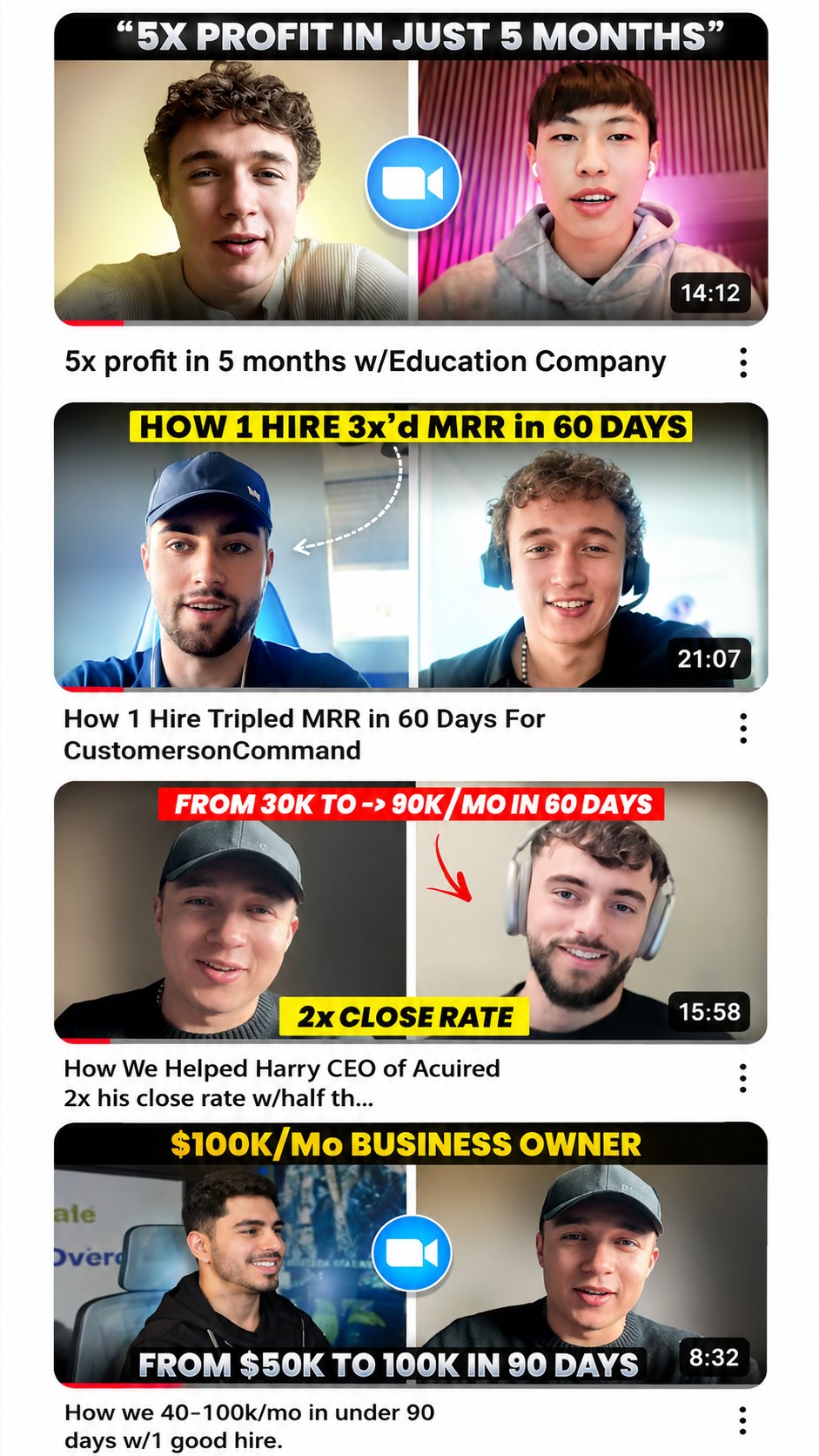 every section is anchored to a real client result. work through it in order. let's go: ## part 1: the pre-call audit checklist before any call goes on the calendar, run this checklist. it identifies the seven things that need to be true for a call to be worth running. the checklist: - lead source confirmed: do you know where this prospect came from and what content or ad produced the booking? - intake form completed: has the prospect submitted their business type, current revenue range, and primary problem? - pre-frame sequence triggered: has the confirmation message, 24-hour video, and 2-hour reminder been sent? - prior interaction reviewed: has the closer read the intake form and any relevant prior communication before the call? - relevant proof pulled: does the closer have one case study ready that closely matches this prospect's avatar profile? - decision-maker confirmed or unknown: does the intake form indicate whether the prospect is the sole decision-maker? - objection profile estimated: based on the avatar type, what is the most likely objection this prospect will raise at the close? any call where fewer than five of these seven boxes are checked is a call running at a disadvantage before the Zoom opens. real result: > a client was running 20 calls a month with no pre-call protocol. no intake form, no pre-frame, no case study prep. average close rate: 12%. we installed the pre-call audit checklist and the pre-frame sequence. the first month with both in place: 19% close rate. no script changes. no closer retraining. pre-call infrastructure alone produced a 58% lift. ## part 2: the discovery framework discovery is the highest-leverage section of the call. more deals are decided here than at the close. the seven-question sequence: Q1 - the wide opener "tell me what's going on with [specific area relevant to offer]." purpose: gets them talking. don't interrupt. let them surface the first layer. Q2 - the specificity push "you mentioned [exact thing they just said]. can you tell me more about that?" purpose: signals you were listening. forces them to go one layer deeper. use their exact words, not a paraphrase. Q3 - the duration question "how long has this been an issue for you?" purpose: surfaces the timeline. plants the seed for the time-cost calculation at the close. a prospect who says "about eight months" has just told you they've been losing money for eight months. Q4 - the past attempts question "what have you tried to fix it?" purpose: surfaces emotional exhaustion from failed solutions. a prospect who has tried two or three things and failed is done experimenting. they want something that works. Q5 - the cost quantification question "if [the thing they want] was where you want it right now, what does that look like in dollar terms per month?" purpose: this is the most important question in the sequence. get them to say a number. that number becomes the anchor for your investment at the close. write it down exactly as they say it. Q6 - the future cost question "if you're still in the same position in 90 days, what does that mean for the business?" purpose: manufactures genuine urgency without manufactured pressure. the prospect builds their own urgency by articulating the future they don't want. Q7 - the personal stakes question "what would solving this actually mean for you, not just the business?" purpose: surfaces the personal dimension of the problem. a prospect who has articulated what their life looks like when this problem is solved is emotionally invested in the outcome. minimum discovery time: 18-20 minutes. any discovery that runs under 12 minutes is almost certainly leaving emotional tension on the table. the hard rule: if any question can be answered with a yes, no, or a two-sentence summary, it's too broad. push with: "can you tell me more about that?" until the answer demands real elaboration. real result: a client whose closer was running 7-minute discovery sessions with a 14% close rate. rebuilt discovery to run 19 minutes on average using this sequence. cost quantification question added. close rate went to 28% in six weeks. ## part 3: the tonality guide tonality is the most undercoached skill in sales and the one that moves close rate fastest when corrected. the three tonal zones: zone 1 - discovery tonality (minutes 5-25 of the call) pace: 15-20% slower than your natural pace register: lower than your natural speaking voice energy: calm, genuinely curious, unhurried what this produces: the prospect feels like they're talking to someone who has nowhere else to be. guard comes down. they go deeper. zone 2 - pitch tonality (minutes 25-40 of the call) pace: your natural pace, rising slightly as you build toward the proof section register: slightly more animated as you hit the case study energy: confident but not excited. you know this works. you're stating a track record. what this produces: the prospect calibrates their energy to yours. if you're excited, they stay analytical. if you're confident and calm, they match that and stay open. zone 3 - close and objection handling tonality (minutes 40-60) pace: drop back to discovery pace or slower register: lowest point of the call energy: grounded. this is the most important moment of the call and the closer should sound like it's the least pressured moment. what this produces: a prospect whose closer sounds calm and unrattled at the close feels more certain about the decision. anxiety closes fast. confidence closes slow. the self-audit drill: record a call. export the audio only. listen back. in the discovery section: could you hear the prospect opening up progressively? if not, pace was too fast. at the close: did you sound more tense than the prospect? if yes, zone 3 tonality needs work. real result: a client whose closer was running at full energy for the entire call. same script, same discovery questions, same pitch. close rate lifted from 18% to 26% in the first month after rebuilding their tonal zones. tonality alone. ## part 4: the objection handling sequences there are three real objections. every variation is a disguise. objection 1: "it's too expensive" / "i need to think about the investment" what it represents: the prospect doesn't see a clear enough link between the investment and the outcome. the 3-move sequence: move 1: "i hear you." (pause. do not immediately follow with "but." do not rush to defend the price.) move 2: "you mentioned earlier that [their specific problem] is costing you [their number] per month. over 90 days that's [3x their number]. the investment is [price]. does that math not make sense to you?" move 3: "the question isn't really whether [price] is expensive. the question is whether getting [specific outcome they described] in 90 days is worth [price] given what you just told me staying stuck costs you." advance question: "what specifically feels out of proportion to you when you look at those numbers?" objection 2: "i need to think about it" / "let me take some time" what it represents: no felt urgency about timing. the 3-move sequence: move 1: "of course. take the time you need." (pause again. let that land before you continue.) move 2: "you mentioned this has been going on for [duration they named]. every month you're not running a system that produces [specific outcome] is another [their monthly number] on the table. what specifically changes in the next 30 days that would make the timing feel better than right now?" move 3: "i'm not asking to create pressure. i'm asking because in my experience the timing question almost never has a good answer, and the cost of waiting is real. i want to make sure you've thought that through." advance question: "what would you need to see or know to feel like now is the right time?" (address whatever they say specifically and directly.) objection 3: "i need to talk to my partner / spouse / investor" what it represents: wrong decision-making unit on the call. the pre-handle that prevents this from reaching the close: in discovery, after Q4 or Q5: "is there anyone else you'd want looped in on something like this, or is this your call to make?" if they name a partner or investor, bring them into the process at the qualification stage, not at the close. if caught at the close: move 1: "totally makes sense." move 2: "i'd want to make sure they have everything they need to make this decision with you. which is easier: getting them on a 20-minute call with us this week, or putting together a summary document you can walk them through?" move 3: whichever option they choose, lock in the specific time before you get off the call. real result: a client whose closer was hitting the partner objection on 4 out of every 10 non-closes. after adding the qualification pre-handle, partner objections at the close dropped to 1 in 10. of the ones that did appear, the next-call conversion rate was 44%. ## part 5: the pitch deck structure the psychological slide sequence: slides 1-2: the mirror open by reflecting the prospect's specific situation back in their own language. not the generic version. theirs. slides 3-4: the root cause reframe show why the obvious solutions haven't worked. frame the failure as systemic, not personal. sets up your mechanism as the solution to a problem the prospect now understands differently. slides 5-6: the mechanism your approach, framed as the thing that addresses the root cause. not features. what it does to the underlying problem. slides 7-8: matched social proof one case study whose starting situation is as close to the prospect's as possible. the closer bridges verbally: "this is almost exactly what you described 20 minutes ago." slide 9: the loss aversion bridge calculate three numbers using only what the prospect gave you in discovery: - monthly cost of the current gap - total cost of the time they've been carrying this problem - 90-day cost if nothing changes present neutrally. "here's what you told me. here's what it adds up to." slides 10-11: investment and guarantee price in the context of the problem cost. guarantee framed as a confidence signal, not a risk reversal. slide 12: next step one clear, frictionless action. not multiple options. one. the follow-up asset: a 1-2 page personal document sent within 24 hours to every non-close that references something specific from the call, summarizes the mechanism, includes the most relevant proof story, and presents the investment in the context of their specific numbers. no headers. no bullets. reads as a personal message. ## part 6: the close mechanics the pre-close frame (placed immediately before presenting the investment): "before i walk through what working together looks like, i want to make sure we're both on the same page. based on everything we've talked about today, does this feel like the kind of thing that could genuinely change where your business is at? because i'm only going to walk through the next steps if i actually think we can help." this signals mutual assessment, not a pitch. gives the prospect permission to say no, which paradoxically increases the yes rate. the investment reveal: state the number calmly, in the context of their cost. then go silent. count to five internally if you need to. do not speak first. the closer who speaks first after naming the price is the closer who discounts first. the forward-pacing question (after verbal yes, before the link): "before i send this over, walk me through what the next 90 days looks like for you once we're in." the onboarding narration (while the link is open): name the specific person who contacts them, the specific timeframe, and the specific first thing that happens. never let "someone will be in touch" close a call. ## part 7: the post-call follow-up system 24 hours after a non-close: personal message referencing something specific from the call. one piece of proof directly addressing the certainty gap that produced the non-close. 72 hours: value-add touchpoint. a relevant case study, a one-page audit summary, or an offer to jump on a shorter second call to address the specific open question. 7 days: close the loop. "i want to make sure this doesn't fall through the cracks. here's where things stand and here's what the next step looks like." one clear option, not multiple. the conversion math: businesses running this three-touch follow-up protocol close 28-35% of their maybes within 14 days. without it, that number is under 5%. ## the full picture this protocol covers every stage where a deal is made or lost: before the call, at the opener, through discovery, at the pitch, at the objection, at the close, and in the 14 days after. the businesses that have all of it installed are the ones generating $110k+ in revenue in the first 45 days and scaling to $200k/month within 90. not because they found better leads or hired better closers. because they built infrastructure that makes every stage of the call do what it's actually supposed to do. that's the protocol. if you want us to audit your coaching business or agency and show you how we'd install this exact protocol to take your close rate above 30% in 90 days (or we work for free until you do), DM me "SCRIPT" and we'll make it happen (clients averaging $110k in revenue and $80k in cash collected in their first 45 days through our custom sales infrastructure, fully done-for-you) satyam ## 相关链接 - [Satyam](https://x.com/vizionaryfocuss) - [@vizionaryfocuss](https://x.com/vizionaryfocuss) - [$10M+](https://x.com/search?q=%2410M%2B&src=cashtag_click) - [$110k+](https://x.com/search?q=%24110k%2B&src=cashtag_click) - [Upgrade to Premium](https://x.com/i/premium_sign_up) - [9:57 PM · Jul 24, 2026](https://x.com/vizionaryfocuss/status/2080653660317479422) - [1,008 Views](https://x.com/vizionaryfocuss/status/2080653660317479422/analytics) --- *导出时间: 2026/7/25 11:35:59* --- ## 中文翻译 # 你在 2026 年致胜所需的唯一高客单价销售协议 **作者**: Satyam **日期**: 2026-07-24T13:57:43.000Z **来源**: [https://x.com/vizionaryfocuss/status/2080653660317479422](https://x.com/vizionaryfocuss/status/2080653660317479422) ---  170 多名销售代表已就位。在咨询业务和代理机构中累计收取了超过 1000 万美元的现金。 这就是这些数字背后的操作协议。  每个部分都锚定于一个真实的客户成果。按顺序进行。 让我们开始: ## 第 1 部分:通话前审计清单 在任何通话进入日历之前,请运行此清单。它确定了为了让一次通话值得进行,必须具备的七个条件。 清单如下: - 线索来源已确认:你知道这个潜在客户来自哪里,以及是什么内容或广告产生了这次预约吗? - 预检表已完成:潜在客户是否提交了他们的业务类型、当前收入范围和主要问题? - 预设框架序列已触发:确认消息、24小时视频和2小时提醒是否已发送? - 既往互动已审查:在通话前,成交专家(closer)是否已阅读预检表和任何相关的既往沟通记录? - 相关证明已调取:成交专家是否准备好了一个与该潜在客户画像紧密匹配的案例研究? - 决策者已确认或未知:预检表是否表明该潜在客户是唯一的决策者? - 异议画像已预估:基于画像类型,该潜在客户在成交阶段最可能提出的异议是什么? 如果有少于五个勾选项,那么在 Zoom 打开之前,这次通话就已经处于劣势了。 真实成果: > 一位客户每月进行 20 次通话,没有任何通话前协议。没有预检表,没有预设框架,没有案例研究准备。平均成交率:12%。我们安装了通话前审计清单和预设框架序列。第一个月两者到位后的成交率:19%。没有更改话术。没有重新培训成交专家。仅靠通话前的基础设施就带来了 58% 的提升。 ## 第 2 部分:挖掘框架 挖掘是通话中杠杆率最高的部分。更多的交易是在这里决定的,而不是在成交阶段。 七个问题的序列: 问题 1 - 宽广的开场白 “告诉我 [与报价相关的特定领域] 现在的情况如何。” 目的:让他们开口说话。不要打断。让他们展现第一层信息。 问题 2 - 针对性追问 “你提到了 [他们刚刚说的确切内容]。你能多告诉我一些吗?” 目的:发出你在倾听的信号。强迫他们深入一层。使用他们的原话,而不是转述。 问题 3 - 持续时间问题 “这个问题困扰你多久了?” 目的:揭示时间线。为成交时的时间成本计算埋下伏笔。一个说“大概八个月”的潜在客户刚刚告诉你他们已经亏损了八个月。 问题 4 - 过往尝试问题 “你试过什么方法来解决它?” 目的:揭示因失败的解决方案而产生的情感疲惫。一个尝试了两三种方法都失败的潜在客户已经受够了实验。他们想要一个行之有效的东西。 问题 5 - 成本量化问题 “如果 [他们想要的东西] 现在达到了你想要的位置,这在每月的美元数字上看起来是什么样的?” 目的:这是序列中最重要的一个问题。让他们说出一个数字。那个数字将成为你成交时投资的锚点。原样记录他们说的数字。 问题 6 - 未来成本问题 “如果 90 天后你仍然处于同样的位置,这对业务意味着什么?” 目的:制造真正的紧迫感,而不是人为施压。通过阐述他们不想要的未来,潜在客户自己建立起紧迫感。 问题 7 - 个人利益问题 “解决这个问题对你个人实际上意味着什么,而不仅仅是对业务?” 目的:揭示问题的个人维度。一个已经阐述了问题解决后自己生活样子的潜在客户,会对结果产生情感投入。 最低挖掘时间:18-20 分钟。任何少于 12 分钟的挖掘几乎肯定会让情感张力留在桌面上(未被利用)。 硬性规定:如果任何问题可以用“是”、“否”或两句话的摘要来回答,那它就太宽泛了。用“你能多告诉我一些吗?”来追问,直到答案需要真正的详细阐述。 真实成果:一位客户的成交专家进行 7 分钟的挖掘,成交率为 14%。使用此序列重建挖掘环节,平均时间达到 19 分钟。增加了成本量化问题。六周内成交率升至 28%。 ## 第 3 部分:语调指南 语调是销售中最缺乏指导的技能,也是一旦纠正就能最快提升成交率的技能。 三个语调区域: 区域 1 - 挖掘语调(通话的第 5-25 分钟) 速度:比你的自然语速慢 15-20% 音域:低于你自然的说话声音 能量:平静,真正的好奇,从容不迫 这会产生什么效果:潜在客户觉得他们在跟一个无处可去的人说话。戒备心放下。他们聊得更深。 区域 2 - 推介语调(通话的第 25-40 分钟) 速度:你的自然语速,当你走向证明部分时略微上升 音域:当你讲到案例研究时稍微更生动 能量:自信但并不兴奋。你知道这行得通。你在陈述过往战绩。 这会产生什么效果:潜在客户会将自己的能量校准到你的水平。如果你很兴奋,他们就会保持分析状态。如果你自信且平静,他们会与之匹配并保持开放。 区域 3 - 成交和异议处理语调(通话的第 40-60 分钟) 速度:回落到挖掘语速或更慢 音域:通话的最低点 能量:沉稳。这是通话最重要的时刻,成交专家听起来应该像是压力最小的时刻。 这会产生什么效果:如果成交专家在成交时听起来平静且不受干扰,潜在客户会对决定感到更有把握。焦虑会扼杀成交。自信能缓慢成交。 自我审计演练:录制一次通话。仅导出音频。回听。在挖掘部分:你能听到潜在客户逐渐敞开心扉吗?如果不能,语速太快了。在成交时:你听起来比潜在客户更紧张吗?如果是,区域 3 的语调需要改进。 真实成果:一位客户的成交专家以全能量进行整个通话。同样的话术,同样的挖掘问题,同样的推介。在重建他们的语调区域后的第一个月,成交率从 18% 提升至 26%。仅靠语调。 ## 第 4 部分:异议处理序列 只有三种真实的异议。所有变体都是伪装。 异议 1:“太贵了” / “我需要考虑一下这笔投资” 它代表什么:潜在客户没有看到投资与结果之间足够清晰的联系。 3 个动作序列: 动作 1:“我理解。”(停顿。不要紧接着说“但是”。不要急于为价格辩护。) 动作 2:“你之前提到 [他们的具体问题] 每月花费你 [他们的数字]。90 天就是 [他们数字的 3 倍]。投资是 [价格]。这个算术对你来说不合理吗?” 动作 3:“问题不真的是 [价格] 是否贵。问题在于,鉴于你刚才告诉我维持现状要付出 [他们的数字] 的代价,在 90 天内获得 [他们描述的具体结果] 是否值 [价格]。” 推进问题:“当你看这些数字时,具体是什么让你觉得不成比例?” 异议 2:“我需要考虑一下” / “让我花点时间” 它代表什么:对时间没有感到紧迫感。 3 个动作序列: 动作 1:“当然。你需要的时间尽管用。”(再次停顿。让它沉淀一下你再继续。) 动作 2:“你提到这种情况已经持续了 [他们提到的时长]。每个月你没有运行一个能产生 [具体结果] 的系统,就意味着桌上又少了 [他们的月度数字]。在接下来的 30 天里具体会有什么变化,让时机比现在感觉更好?” 动作 3:“我不是要给你施压。我问是因为根据我的经验,时机问题几乎从来没有一个好的答案,而等待的代价是真实的。我想确保你已经深思熟虑。” 推进问题:“你需要看到什么或知道什么,才会觉得现在是合适的时机?”(具体且直接地回答他们说的任何内容。) 异议 3:“我需要和我的伴侣 / 配偶 / 投资人谈谈” 它代表什么:通话中的决策单元错误。 防止这种情况到达成交阶段的预处理:在挖掘阶段,问题 4 或 5 之后:“还有什么其他人需要参与到这类事情中,还是这是你可以自己做的决定?”如果他们提到了伴侣或投资人,在资格审查阶段就让他们参与进来,而不是在成交阶段。 如果在成交阶段被卡住: 动作 1:“完全有道理。” 动作 2:“我想确保他们拥有和你一起做决定所需的一切。哪个更容易:这周让他们跟我们进行 20 分钟的通话,还是我整理一份摘要文档你可以带他们过一遍?” 动作 3:无论他们选择哪个选项,在挂断电话之前锁定具体的时间。 真实成果:一位客户的成交专家在每 10 个未成交中遇到 4 次伴侣异议。在增加资格审查预处理后,成交阶段的伴侣异议降至 10 分之一。在确实出现的异议中,下一次通话的转化率为 44%。 ## 第 5 部分:演示文稿结构 心理幻灯片序列: 幻灯片 1-2:镜像 用潜在客户自己的语言反映他们的具体情况作为开场。不是通用的版本。是他们自己的。 幻灯片 3-4:根本原因重构 展示为什么显而易见的解决方案没有奏效。将失败定义为系统性的,而非个人的。将你的机制设定为解决潜在客户现在以不同方式理解的问题的方案。 幻灯片 5-6:机制 你的方法,被构建为解决根本原因的东西。不是功能。它对底层问题做了什么。 幻灯片 7-8:匹配的社会认同 一个案例研究,其起始情况尽可能与潜在客户的接近。成交专家口头连接:“这几乎和你 20 分钟前描述的一模一样。” 幻灯片 9:损失厌恶桥梁 仅使用潜在客户在挖掘中提供的信息计算三个数字: - 当前差距的月度成本 - 他们背负这个问题的时间总成本 - 如果什么都不改变,90 天的成本 中立地呈现。“这是你告诉我的。这是它们的总和。” 幻灯片 10-11:投资和保证 在问题成本的背景下呈现价格。保证被构建为信心信号,而非风险逆转。 幻灯片 12:下一步 一个清晰、无摩擦的行动。不是多个选项。只有一个。 跟进资料:一份 1-2 页的个人文档,在 24 小时内发送给每个未成交的客户,引用通话中的具体内容,总结机制,包含最相关的证明故事,并在他们具体数字的背景下呈现投资。没有标题。没有要点。读起来像一条个人信息。 ## 第 6 部分:成交机制 预成交框架(在展示投资之前立即放置): “在我介绍合作看起来是什么样之前,我想确保我们达成共识。基于我们今天谈论的一切,这是否感觉像是那种真正能改变你业务处境的事情?因为只有在我真的认为我们可以帮助你时,我才会介绍下一步。” 这发出的是相互评估的信号,而不是推销。这给了潜在客户说不的许可,但这反而增加了说“是”的比率。 投资揭示: 在他们的成本背景下冷静地报出数字。然后保持沉默。如果有必要,在心里数到五。不要先开口。在报出价格后先开口的成交专家,就是第一个打折的成交专家。 前瞻性问题(在口头答应后,发送链接前): “在我发给你之前,带我过一遍,一旦我们开始,接下来的 90 天对你来说看起来是什么样的。” 入职叙述(当链接打开时): 说出联系他们的具体人员、具体时间框架和发生的具体第一件事。永远不要让“有人会联系你”来结束通话。 ## 第 7 部分:通话后跟进系统 未成交后 24 小时: 引用通话中具体内容的个人信息。直接填补导致未成交的确定性缺口的一块证明。 72 小时: 价值增值接触点。一个相关的案例研究,一份一页的审计摘要,或者是提议跳上一次较短的第二次通话来解决具体的开放性问题。 7 天: 闭环。“我想确保这件事不会被遗漏。这是目前的情况,这是下一步的样子。”一个清晰的选项,而不是多个。 转化数学:运行这种三次接触跟进协议的企业能在 14 天内成交 28-35% 的“可能”客户。如果没有它,这个数字低于 5%。 ## 全貌 该协议涵盖了交易达成或失败的每个阶段:通话前、开场、挖掘、推介、异议、成交以及之后的 14 天。 安装了所有这些部分的企业是那些在前 45 天产生 11 万美元以上收入并在 90 天内扩展到每月 20 万美元的企业。不是因为他们找到了更好的线索或雇佣了更好的成交专家。而是因为他们建立了基础设施,让通话的每个阶段都做它真正应该做的事情。 这就是协议。 如果你想让我们审计你的咨询业务或代理机构,并向我们展示如何安装这个确切的协议,在 90 天内将你的成交率提高到 30% 以上(否则我们免费工作直到你达到),私信我“SCRIPT”,我们会实现它 (通过我们定制的销售基础设施,客户在前 45 天平均收入 11 万美元,现金收取 8 万美元,全程代做) satyam ## 相关链接 - [Satyam](https://x.com/vizionaryfocuss) - [@vizionaryfocuss](https://x.com/vizionaryfocuss) - [$10M+](https://x.com/search?q=%2410M%2B&src=cashtag_click) - [$110k+](https://x.com/search?q=%24110k%2B&src=cashtag_click) - [Upgrade to Premium](https://x.com/i/premium_sign_up) - [9:57 PM · Jul 24, 2026](https://x.com/vizionaryfocuss/status/2080653660317479422) - [1,008 Views](https://x.com/vizionaryfocuss/status/2080653660317479422/analytics) --- *导出时间: 2026/7/25 11:35:59*