如何用自然流量将应用做到六位数MRR aleksa 2026-08-22 15.5 KB 339.9K 438 ☆ 收藏 𝕏 文章列表 作者运营着拥有7万+创作者的剪辑分发业务,总结了应用通过自然短视频流量增长至六位数MRR的方法。核心观点:开发已非瓶颈,分发才是关键。自然流量CPM远低于付费广告且能持续复利。方法论包括:让产品自带可展示的瞬间;先小规模测试找到可复制的爆款格式(幻灯片、UGC、录屏等);验证格式后大规模复制、砍掉无效内容并加倍投入有效内容。 自然流量MRR短视频营销TikTok应用增长UGC分发策略内容营销创业算法 79 值得读 ▶ 基于真实操盘经验的有机增长实战指南,含具体数据、CPM对比、格式筛选标准与可复制方法,结构清晰可落地,但部分观点在短视频营销圈已较常见,且文章末尾似被截断。 # How to scale an app to six figures MRR with organic distribution **作者**: aleksa **日期**: 2026-08-14T13:41:52.000Z **来源**: [https://x.com/aleksascales/status/2088259816296726744](https://x.com/aleksascales/status/2088259816296726744) ---  Over the last year I've watched apps go from zero to five figures MRR, and from five figures to six, on a weekly basis Most of them had no marketing background and no funding I run one of the largest clipping operations in the space with 70,000+ creators, over a billion views generated and $250,000+ paid out to creators. Our newest campaign is already doing 20 million views a week Building isn't the hard part anymore, Claude can ship an app in a day Getting people to see it is the entire game now 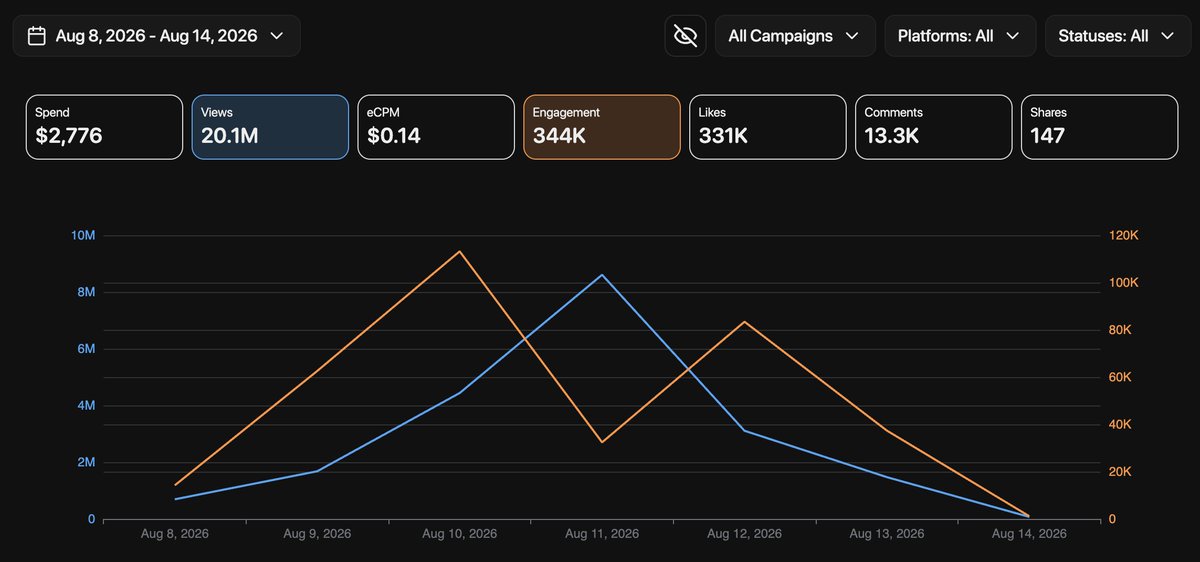 The thing everyone gets wrong Founders treat quantity and quality as a choice They either make a handful of polished videos and wonder why nothing moves, or they flood every platform with garbage and wonder why the views don't convert You need both See what's already working in your space. Implement it. Run serious volume. Kill what doesn't perform. Double down hard on what does. Learn from your wins, your losses, and everyone else's That's distribution And founders blame the algorithm constantly. The algorithm is simple. If it sees early engagement signals worth pushing, it pushes. If nothing is being amplified, the content isn't good enough yet That's why the apps that scale run absurd volume. More shots means finding what works faster Why organic is the primary channel now Meta CPMs sit between $10 and $20 for most consumer categories. The average app converts around 1.2% on paid traffic. For every 1,000 people you pay to reach, 988 do nothing and you paid full price for all of them Organic short form runs at $0.10 to $2 CPM At $0.50 CPM, 100 million views costs $50,000. The same reach on Meta costs over a million and converts worse, because people skip anything that looks like an ad before their brain registers what it was 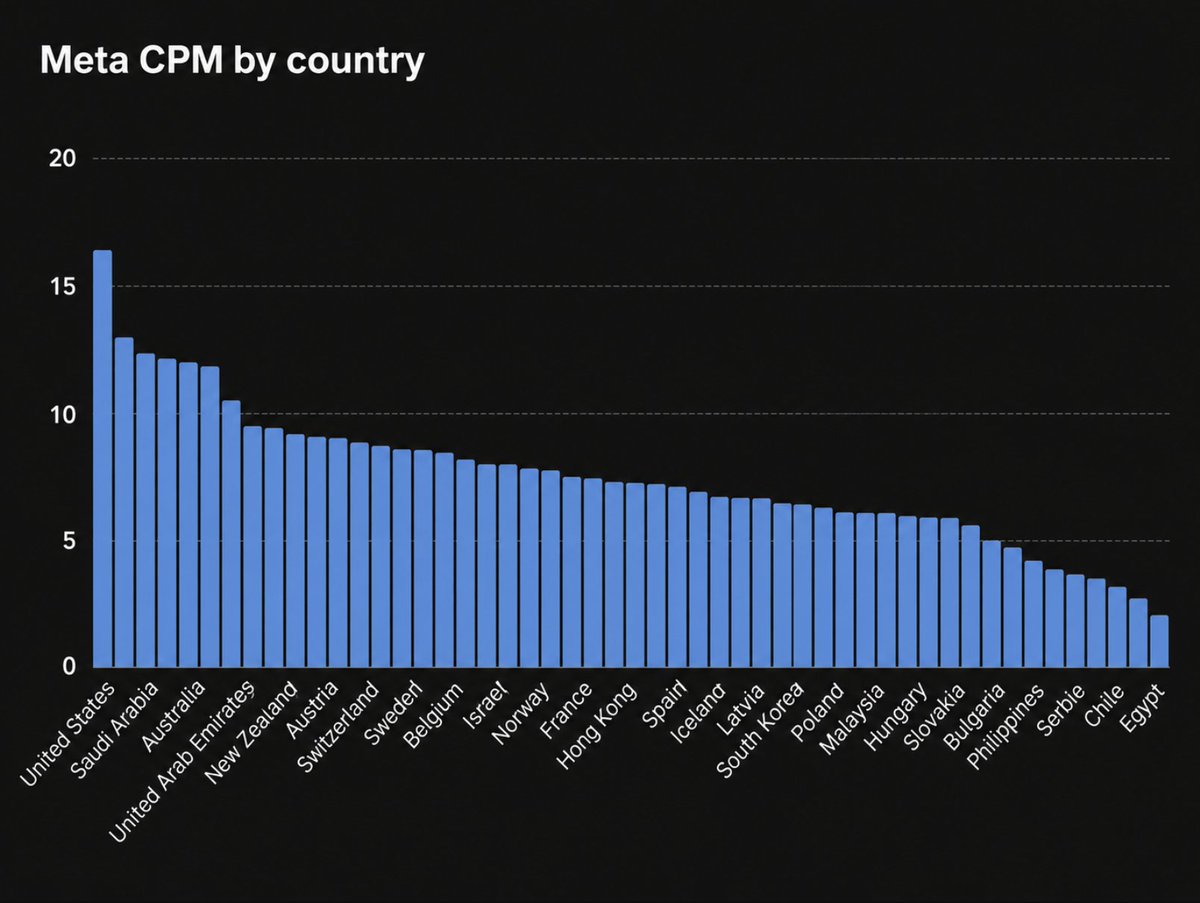 And organic compounds, every video stays up. Two months later they're still pulling views you already paid for A Meta campaign from two months ago is generating exactly zero Paid ads still matter. They're just the second move I. Your app needs a moment worth showing This decides everything before you spend a dollar Every app I've seen scale through organic had a moment built to be showed The test: remove your app from the video. Does it still make sense? If yes, you have a content problem. The video is about the creator, not the product. People watch and forget If no, every view is a demonstration This is a product decision, not a marketing one. If your aha moment sits on step four, move it to step one. If your output is a plain text screen, make it visual. If the result isn't worth screenshotting, redesign it until it is I've seen apps rebuild an entire results screen purely for distribution and multiply conversion from identical content volume Then the harder question: how badly do people want that result? Look at what's scaling right now Faith and prayer apps have been one of the fastest growing organic categories for over a year, the emotional weight makes them shareable in a way utility apps can't match 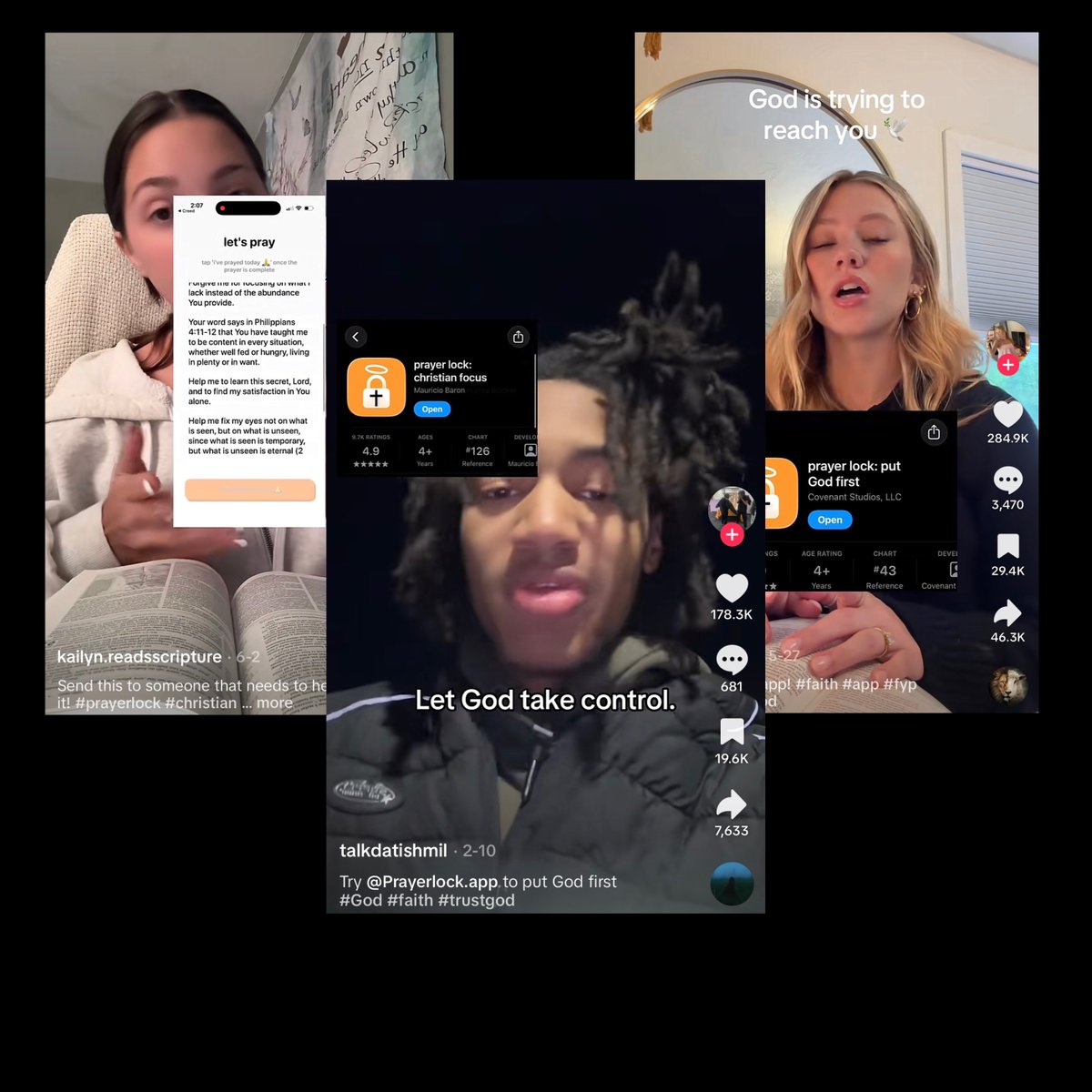 Alarm and routine apps are quietly printing, one legacy app in that space is at [$500k+](https://x.com/search?q=%24500k%2B&src=cashtag_click) MRR and a single alarm video recently crossed 23 million views 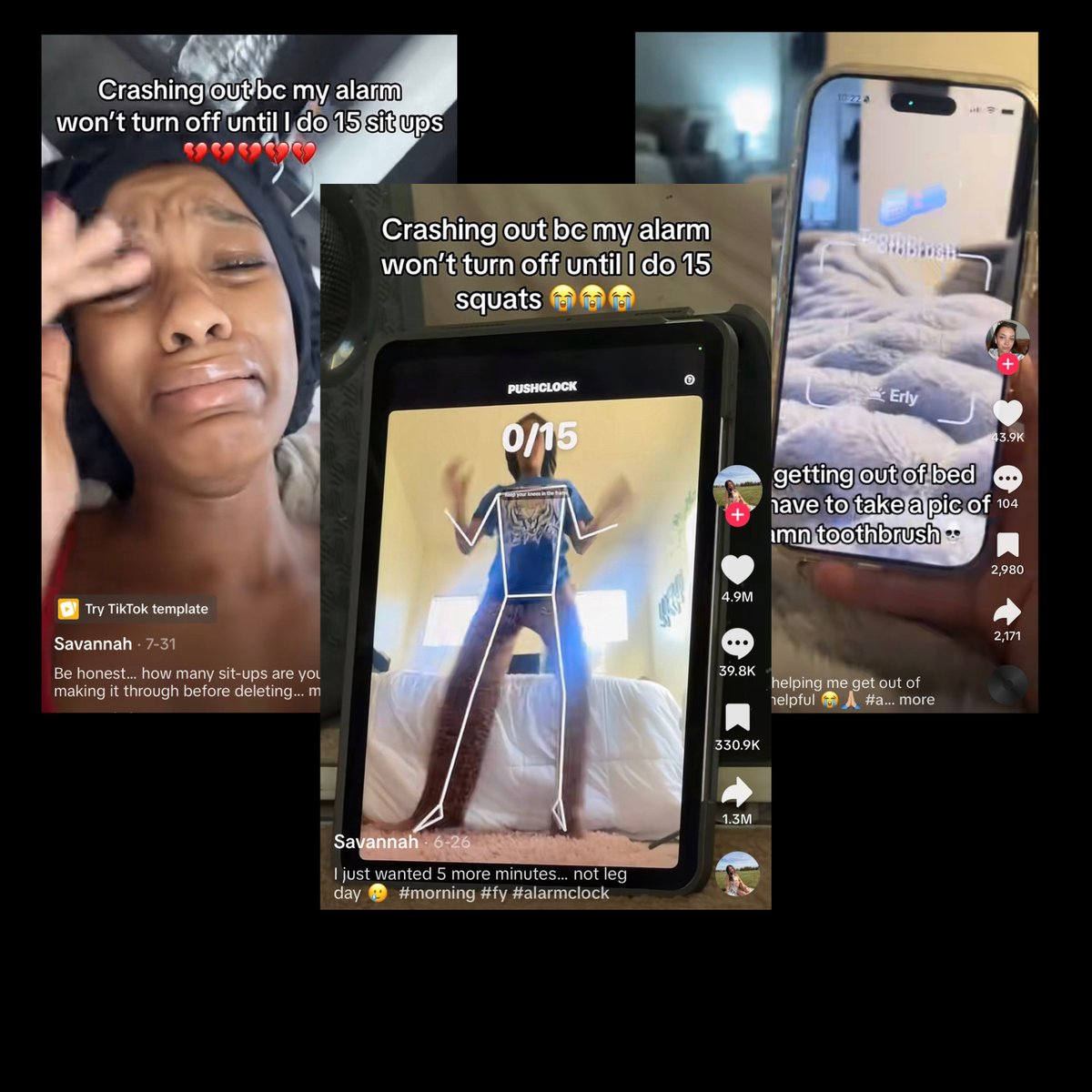 SleepMaxxing content is everywhere on TikTok and nobody owns it yet 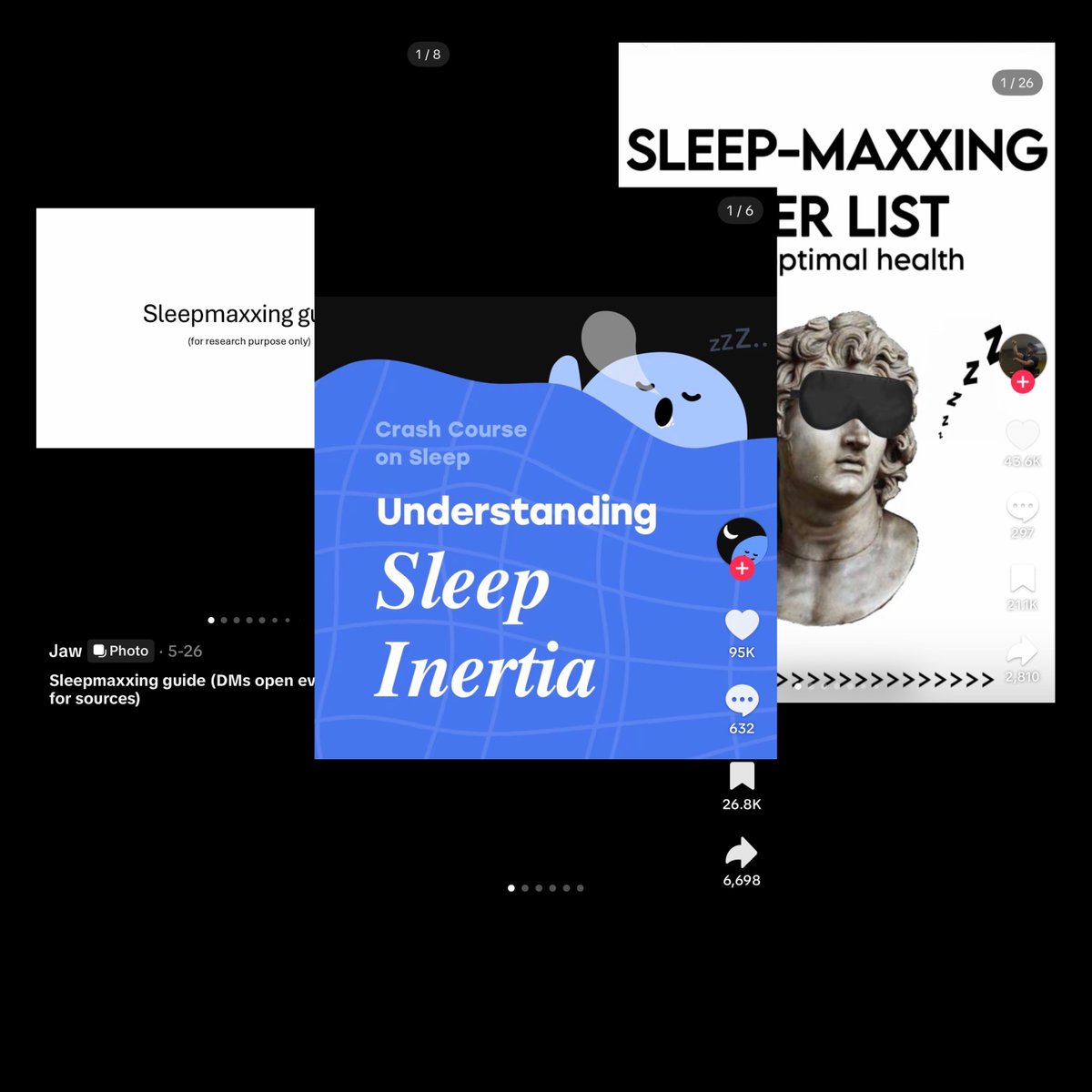 Those aren't coincidences. People want the outcome, and the content proves it exists II. Find your formats before you scale Do not launch big The instinct is to hire 30 creators and throw volume at it. That's how you burn $30k learning what $3k would have told you Hire 3 to 5. Your only goal for the first few weeks is finding 10 to 20 formats that work and are easy to replicate The best performing content in almost every campaign I've run looks like it took 30 seconds to make Simple content doesn't look like an ad. It blends into the feed. The algorithm treats it as a natural recommendation and the viewer never gets that skip instinct It also multiplies output. Easier format means more creators can post, more creators want in, more shots at something breaking A two slide slideshow outconverts a two minute polished UGC video more often than not Where to find formats Search your niche on TikTok. Filter by most liked, last month Anything sitting at 100k to 500k views is proof of concept. The algorithm is actively rewarding that structure right now 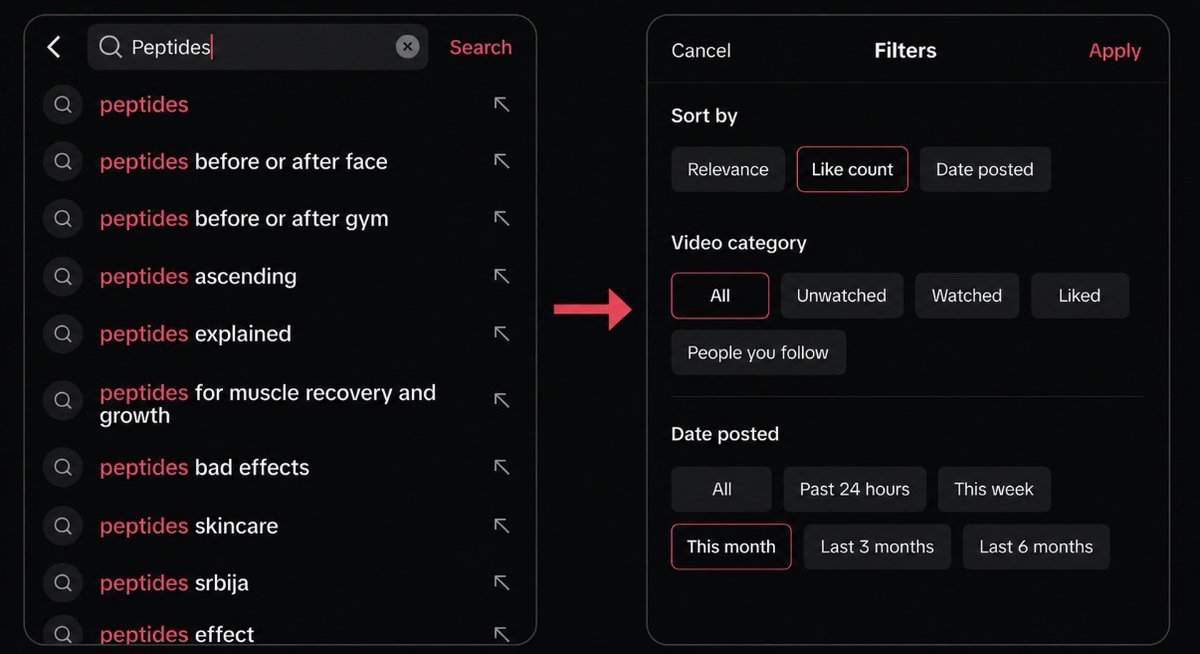 Before you commit, check it: > 100k+ views easy to replicate at scale posted in the last 30 days multiple accounts hitting with it, not just one If it passes, it's validated. The audience already told you they want it Then study the hook, the pacing, the length, where the payoff lands, what the caption does. Rebuild it with your product inside it And study your direct competitors. If someone in your category is already running organic, they paid for the testing. Take what works, execute sharper, skip the learning curve III. The formats worth testing Slideshows. The most underrated format in the space Images with text overlays, viewer swipes through. No editing, no voiceover, nobody on camera TikTok treats every swipe as active engagement, which reads stronger than passive watching. Save rates run higher than equivalent video Six slides can name a problem, show your solution, handle an objection, and land a CTA without anyone speaking Structures that work: Problem realisation - slide one names a frustration so specifically the reader feels seen, each slide deepens it, your app appears as the mechanism not the pitch Ranked list - five to seven items reversed, strongest last. Curiosity gap pulls people through Before and after - most direct format for any visual output Controversial take - opens by contradicting what the audience believes. Highest comment volume of any format, and comments are the best distribution signal there is Post 4 to 5 a week minimum. The algorithm needs 2 to 3 weeks to understand what your account is UGC. Your volume channel. Creators posting 30 to 60 videos a month each You're not looking for one perfect video. You're looking for enough reps that a format cracks The pattern in everything performing right now is context before commerce. Winning creators give you a reason to care, an embarrassing moment, a deadline, a transformation, before the product ever appears The ones that lead with the product die Screen recordings. If your app produces a visual result this is often your highest converting content. The output is the content. No creator, no script, no editing On faceless: it outperforms creator-led for most apps and it isn't close. Scales infinitely, one person runs dozens of accounts, cheaper, and the algorithm cares about retention not faces The exception is anything requiring trust. Health, finance, relationships. There a real face still matters <video controls preload="metadata" poster="/doc/4931/image/img_a67f715160d5.jpg" src="/videos/0209.mp4"></video> IV. Double down until it stops working Once a format hits, stop testing and start replicating This is where most founders lose everything they built. They find something working and immediately chase the next idea instead of running the winner into the ground There's a creator posting the exact same alarm challenge every single day with an identical caption structure who pulled 2.9 million views from 679 followers. Another running the same skincare hook with the same close-up format has crossed a million views three separate times from 2,000 followers Neither is doing anything clever. They found a format the algorithm rewards and refused to deviate Find what works, don't get bored, let volume create multiple chances at pickup When a format cracks, point every creator at that exact structure. Same hook, same pacing, different words. That's how campaigns go from 5 million views to 100 million in a month What to measure: views per format and conversion per format are two different numbers A format averaging 500k views at 0.1% conversion is worse than one averaging 80k at 1% Kill formats on conversion, not view counts. Vanity metrics have ended more campaigns than bad content V. Build the system that runs it This is where campaigns quietly die Founders write a one page requirements doc, send it to 50 creators, and wonder why the content comes back off-brand Nobody follows a checklist at scale The content bank. Every validated format documented. Name it, link three examples, link the exact audio, explain what happens in each frame, give caption examples. A creator who's never heard of your app should produce on-brand content in 20 minutes The walkthrough. How to set up the account, warm it up, make the content with a video of you making it, post it, submit it. Halves your management time The contract. Usage rights for future paid ads. Minimum time content stays live. Payment terms. Non-compete with direct competitors. Signed before anyone posts Account warm up. More creator content dies here than anywhere else Two days minimum, ninety minutes a day, genuinely engaging in your niche. By the end their feed should be showing your category and they should follow 30 to 50 relevant accounts. Then two normal niche videos before anything branded. Both clear 1,000 views, they're ready Worth knowing: TikTok's geo signals run on device-level location, not IP. If you're targeting US audiences with international creators, this is the reason a lot of campaigns quietly underperform Incentives. CPM gets baseline effort. Bounties get obsession $500 for the first video to 500k, $1,000 for the first to a million, on top of base rate. Creators grind harder for a target they can win than for passive pennies per view Post a leaderboard. When creators see other people winning, they push harder. That competition produces better content than any brief you'll write <video controls preload="metadata" poster="/doc/4931/image/img_10eae52e7d4e.jpg" src="/videos/0210.mp4"></video> VI. Run it yourself or bring someone in Both work, it just depends what you're spending 1/ Run it yourself if you're at 2-10k At that level you're testing, not scaling. You're finding your formats and learning what a good submission looks like. Nobody will care more than you or understand your product better. Recruit a few creators, write the briefs, review everything, pay them directly Just know it's a full time job. Reviewing hundreds of videos, chasing creators who go quiet, handling payouts, constantly refreshing formats. Most founders who try end up doing it badly while their product stagnates 2/ Bring in an agency once you're past 10k At that point you're scaling, and scaling is an operations problem. You need enough creators to actually deploy the budget, verification so you're not paying for botted views, and someone killing formats before they die instead of after A proper agency has the creator network, the systems, and pattern recognition from running campaigns across dozens of apps. They know what converts in your category before you spend money finding out Agencies like mine run campaigns on Affiliate Network, where apps are already spending millions on user acquisition. That's where the campaigns and the creator supply actually live right now The sequence that works: test small yourself to find your formats, then hand a proven format to people who can run it at 50x the volume 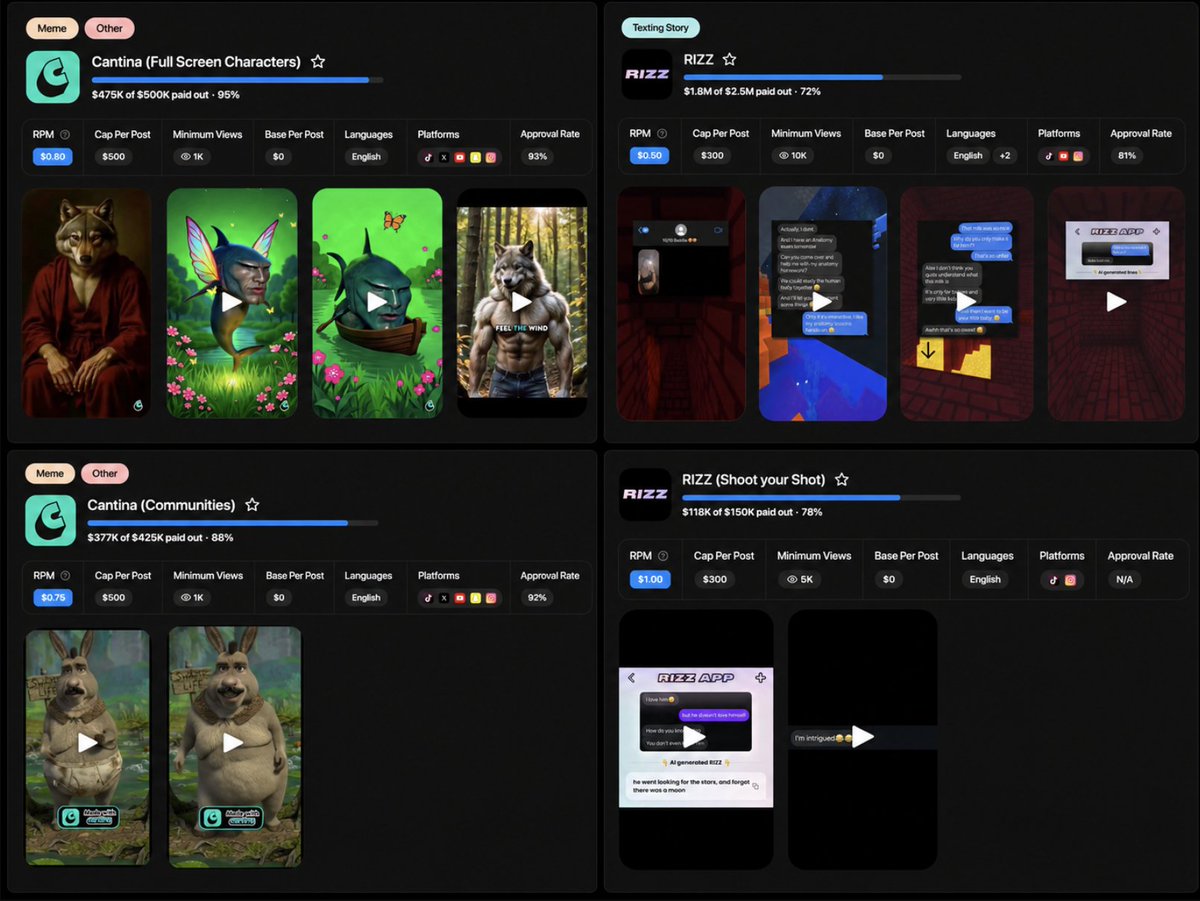 Either bring them in immediately to skip the learning curve, or validate formats yourself first and bring them in to scale past what you can manage Both are fine. What isn't fine is running it yourself badly for six months because you didn't want to hand over control VII. Then layer paid ads Most founders get this backwards They start with paid, burn budget testing creative they never validated, and never find a winner because they were testing in the most expensive environment available Run organic first. Within a month you have thousands of pieces of content and real data on exactly what converts That data is worth more than the views Then take your top organic performers and run them as paid. Spark ads work especially well since you're boosting content that already proved it performs natively Then run both permanently. Organic builds the top of the funnel at a cost paid can't touch. Paid works the bottom, converting people already familiar with you Different points in the same funnel. No reason to choose A few things most people don't know Redistribute winners in other languages. Take a clip that already went viral and rerun it in German, French, Spanish, Portuguese. Proven format, new audience, and as far as the algorithm is concerned it's brand new content The comment section outperforms your CTA. When someone writes "what app is this" it's worth more than any link in bio, because it becomes social proof for everyone who watches after them Post everywhere. TikTok, Instagram, YouTube Shorts, Snapchat, Facebook. Creators posting to only two platforms leave nine figures of views uncollected Keep feeding it. Formats fatigue. Hooks stop working. Your job shifts from finding what works to continuously finding what works next Speed is the only real moat. Every playbook here is public. AI closed the design gap, nothing is proprietary. The founder testing 100 formats this month beats the one testing 10. Every time What this produces An app running this properly does 100 to 400 million views a month at a blended CPM under $1 At 0.3% view to download, 200 million monthly views is 600,000 downloads. At 3% download to paid on a $7.99 weekly, that's genuine six figure MRR within two to three months And most campaigns run a payout cap per video, so even the ones hitting tens of millions of views cost a few hundred dollars each. The viral upside is free media The apps hitting these numbers aren't smarter than you and didn't have better funding They understood that distribution is the product, and content is only the reason people share it If you want me to show you exactly what an organic distribution campaign would look like for your app, send me a message or book a call here: [https://calendly.com/cliptic/30min](https://calendly.com/cliptic/30min) - Aleksa ## 相关链接 - [aleksa](https://x.com/aleksascales) - [@aleksascales](https://x.com/aleksascales) - [322K](https://x.com/aleksascales/status/2088259816296726744/analytics) - [$500k+](https://x.com/search?q=%24500k%2B&src=cashtag_click) - [https://calendly.com/cliptic/30min](https://calendly.com/cliptic/30min) - [Upgrade to Premium](https://x.com/i/premium_sign_up) - [9:41 PM · Aug 14, 2026](https://x.com/aleksascales/status/2088259816296726744) - [322.4K Views](https://x.com/aleksascales/status/2088259816296726744/analytics) - [View quotes](https://x.com/aleksascales/status/2088259816296726744/quotes) --- *导出时间: 2026/8/22 08:57:09* --- ## 中文翻译 # 如何通过自然流量分发将应用扩展至六位数月经常性收入(MRR) **作者**: aleksa **日期**: 2026-08-14T13:41:52.000Z **来源**: [https://x.com/aleksascales/status/2088259816296726744](https://x.com/aleksascales/status/2088259816296726744) ---  过去一年里,我每周都在见证应用从零做到五位数 MRR,又从五位数做到六位数 它们中的大多数既没有营销背景,也没有融资 我经营着该领域最大的切片剪辑业务之一,拥有 70,000 多名创作者,累计产生超过十亿次播放,并向创作者支付了超过 25 万美元。我们最新的活动每周已经能产生 2000 万次播放 开发已经不再是难点,Claude 一天就能上线一个应用 让人们看到它,才是现在的全部游戏  所有人都搞错的一件事 创始人把数量和质量当成一道选择题 他们要么制作少量精美的视频,然后纳闷为什么毫无动静;要么用垃圾内容淹没每个平台,然后纳闷为什么播放量不转化 你需要两者兼顾 看看你的领域里已经有什么在起作用。照搬它。跑足够的量。砍掉表现不好的。在有效的方向上大力加码。从你的成功、失败以及他人的成败中学习 这就是分发 而创始人总在怪算法。算法其实很简单。如果它看到值得推送的早期互动信号,它就会推。如果没有任何内容被放大,说明内容还不够好 这就是为什么那些能做大的应用都在跑惊人的量。更多尝试意味着更快找到有效的东西 为什么自然流量现在是主要渠道 Meta 的大多数消费类目 CPM 在 10 到 20 美元之间。应用在付费流量上的平均转化率约为 1.2%。每 1000 个你付费触达的人里,988 个人什么也不做,而你为所有人都付了全款 自然短视频的 CPM 在 0.10 到 2 美元之间 按 0.50 美元 CPM 计算,1 亿次播放的成本是 5 万美元。同样的触达量在 Meta 上要花超过一百万,而且转化更差,因为在人们的大脑还没反应过来那是什么之前,就已经跳过了一切看起来像广告的东西  而且自然流量会复利,每条视频都持续在线。两个月后它们仍在为你已经付过费的播放量持续引流 两个月前的 Meta 广告campaign 产生的价值恰好是零 付费广告仍然重要。它们只是第二步 一、你的应用需要一个值得展示的瞬间 这在你花一分钱之前就决定了一切 我见过的每一个通过自然流量做大的应用,都有一个天生为被展示而生的瞬间 测试方法:把你的应用从视频里移除。视频还成立吗? 如果成立,说明你有内容问题。视频的主角是创作者,而不是产品。人们看完就忘 如果不成立,那么每一次播放都是一次演示 这是产品决策,不是营销决策。如果你的“顿悟时刻”在第四步,把它挪到第一步。如果你的输出只是一屏纯文本,把它做成可视化的。如果结果不值得被截图,就重新设计直到值得 我见过有应用纯粹为了分发而重建整个结果页面,在完全相同的内容量下让转化翻了好几倍 然后是更难的问题:人们对这个结果的渴望有多强烈? 看看现在正在起量的东西 信仰与祈祷类应用一年多来一直是增长最快的自然流量类目之一,其情感分量让它们具备工具类应用无法匹敌的传播性  闹钟和习惯打卡类应用在闷声发财,这个领域里一个老牌应用的 MRR 已达 [$500k+](https://x.com/search?q=%24500k%2B&src=cashtag_click),而一条闹钟视频最近播放量突破了 2300 万  SleepMaxxing(极致睡眠优化)内容遍布 TikTok,而且还没有人垄断它  这些不是巧合。人们想要那个结果,而内容证明了它的存在 二、在放量之前先找到你的格式 不要一上来就大干快上 本能反应是雇 30 个创作者,用数量砸。这就是你如何烧掉 3 万美元去学到 3 千美元就能告诉你的东西 先雇 3 到 5 个人。前几周你唯一的目标是找到 10 到 20 个有效且易于复制的格式 在我跑过的几乎所有活动中,表现最好的内容看起来都像是 30 秒就能做出来的 简单的内容不像广告。它融入信息流。算法把它当作自然推荐,观众也从来不会产生跳过的本能 它还能放大产出。格式越简单,意味着更多创作者能发、更多创作者想加入、有更多机会撞出爆款 一张两页的幻灯片往往比两分钟精制的 UGC 视频转化率更高 去哪里找格式 在 TikTok 上搜索你的利基市场。按最近一个月、最多点赞筛选 任何播放量在 10 万到 50 万之间的内容都是概念验证。算法正在积极奖励这种结构  在你投入之前,核对以下几点: > 10 万+ 播放,可以大规模复制,最近 30 天内发布,多个账号都跑出过成绩,而不只是一个 如果都符合,那就验证通过了。受众已经告诉你他们想要它 然后研究钩子、节奏、时长、爆点落在哪里、文案起什么作用。把你的产品装进去重新做一条 还要研究你的直接竞争对手。如果你的类目里已经有人在跑自然流量,他们已经为测试付过钱了。拿走有效的东西,执行得更锐利,跳过学习曲线 三、值得测试的格式 幻灯片。该领域最被低估的格式 带文字覆盖的图片,观众手动划过。无需剪辑、无需配音、无需出镜 TikTok 把每一次划动都算作主动互动,这比被动观看的信号更强。收藏率也高于同等的视频 六页幻灯片就能提出问题、展示你的解决方案、化解一个顾虑、落到行动号召,全程不需要任何人说话 有效的结构: 问题觉醒——第一页极其具体地指出一个痛点,让读者感到被看见,每一页加深它,你的应用作为解决机制出现,而不是推销 排行榜——五到七个条目倒序排列,最强的放最后。好奇心缺口拉着人们看下去 前后对比——对任何可视化输出来说最直接的格式 争议观点——开头就反驳受众的固有认知。是所有格式中评论量最高的,而评论是最好的分发信号 每周至少发 4 到 5 条。算法需要 2 到 3 周来理解你的账号是做什么的 UGC。你的放量渠道。每个创作者每月发 30 到 60 条视频 你不是在找一条完美的视频。你是在找足够多的重复,直到某个格式被撞开 现在所有跑得好的内容都有一个共同模式:先语境后商业。赢的创作者会先给你一个在意的理由——一个尴尬瞬间、一个截止日期、一次蜕变——然后产品才出现 那些一上来就推产品的都死了 屏幕录制。如果你的应用产生可视化结果,这往往是你转化率最高的内容。输出本身就是内容。不需要创作者、不需要脚本、不需要剪辑 关于无脸内容:对大多数应用来说,它的表现优于真人出镜,而且差距不小。可以无限扩展,一个人运营几十个账号,成本更低,而且算法在乎的是留存率,不是脸 例外是需要信任的领域。健康、金融、情感关系。这些领域真实的脸仍然重要 <video controls preload="metadata" poster="/doc/4931/image/img_a67f715160d5.jpg" src="/videos/0209.mp4"></video> 四、在它失效之前持续加码 一旦某个格式跑通,停止测试,开始复制 这是大多数创始人输掉一切的地方。他们找到有效的东西后,立刻去追下一个点子,而不是把赢家榨干 有一个创作者每天发一模一样的闹钟挑战,配文结构也完全相同,靠 679 个粉丝拉到了 290 万播放。另一个用同样的护肤钩子和同样的特写格式,从 2000 个粉丝中三次突破百万播放 他们俩都没做什么高明的事。他们找到了一个算法奖励的格式,然后拒绝偏离 找到有效的东西,不要厌倦,让数量创造多次被捡起的机会 当某个格式跑通时,让所有创作者都指向那个确切的结构。同样的钩子、同样的节奏、不同的措辞。这就是活动如何从每月 500 万播放变成 1 亿播放 要衡量什么:每个格式的播放量和每个格式的转化率是两个不同的数字 一个平均 50 万播放、0.1% 转化率的格式,不如一个平均 8 万播放、1% 转化率的格式 用转化率杀格式,不要用播放量。虚荣指标毁掉的活动比烂内容还多 五、搭建运转这套东西的系统 这是活动悄悄死掉的地方 创始人写一页需求文档,发给 50 个创作者,然后纳闷为什么回来的内容都不对味 规模化运作下没人会照着清单执行 内容库。每个已验证的格式都要文档化。给它命名,链接三个案例,链接确切的音乐,解释每一帧发生了什么,给出文案示例。一个从没听说过你应用的创作者应该能在 20 分钟内做出符合品牌调性的内容 操作指南。如何注册账号、养号、制作内容(附上你亲自制作的视频)、发布、提交。这能把你的管理时间砍半 合同。未来付费广告的使用权。内容最短在线时长。付款条款。与直接竞争对手的竞业限制。任何人在发布之前必须先签 账号预热。更多创作者的内容死在这里,比任何其他环节都多 至少两天,每天九十分钟,在你的利基领域真实地互动。到最后,他们的信息流里应该全是你的类目,并且关注了 30 到 50 个相关账号。然后在发任何品牌内容之前,先发两条普通的利基视频。两条都突破 1000 播放,就绪了 值得了解:TikTok 的地理信号基于设备级定位,而不是 IP。如果你在用海外创作者 targeting 美国受众,这就是很多活动悄悄跑不起来的原因 激励。CPM 只能换来基本努力。悬赏才能换来拼命 在基础费率之外,第一条破 50 万播放的视频奖励 500 美元,第一条破百万的奖励 1000 美元。创作者为一个能赢下的目标拼命的程度,远超为被动的每播放几厘钱 发布排行榜。当创作者看到别人在赢,他们会更拼。这种竞争产生的好内容,胜过你写的任何简报 <video controls preload="metadata" poster="/doc/4931/image/img_10eae52e7d4e.jpg" src="/videos/0210.mp4"></video> 六、自己干还是找人干 两者都行,取决于你花的是什么 1/ 如果你在 2-10k 阶段,自己干 在这个阶段你是在测试,不是在放量。你在寻找你的格式,学习什么是一条好的投稿。没有人比你更上心,也没有人比你更懂你的产品。招几个创作者,写简报,审所有内容,直接给他们打款 只是要知道,这是一份全职工作。审几百条视频、追那些失联的创作者、处理打款、不断更新格式。大多数尝试自己干的创始人最后做得一团糟,产品也停滞了 2/ 一旦超过 10k,引入代理商 到了那个阶段你就是在放量了,而放量是一个运营问题。你需要足够多的创作者来真正消化预算,需要验证机制以免为机器人播放量付钱,需要有人能在格式衰亡之前而不是之后砍掉它 一家靠谱的代理商拥有创作者网络、系统化流程,以及在几十个应用上跑活动积累的模式识别能力。在你花钱试错之前,他们就知道你的类目里什么能转化 像我们这样的代理商在 Affiliate Network 上跑活动,应用们已经在上面为用户获取花了数百万。活动和创作者供给现在实际都汇聚在那里 有效的路径:先自己小规模测试找到格式,然后把已验证的格式交给能以 50 倍量级执行的人  要么立刻请他们进来跳过学习曲线,要么先自己验证格式,再请他们放量到你管不过来的规模 两种都可以。不可以的是因为不想放手,而自己糟糕地干了六个月 七、然后再叠加付费广告 大多数创始人把这个顺序搞反了 他们从付费开始,在最贵的环境里测试从未验证过的素材,烧掉预算,永远找不到赢家 先跑自然流量。一个月内你就有几千条内容和关于什么真正能转化的真实数据 这些数据比播放量更值钱 然后把你自然流量中表现最好的内容拿去投付费。Spark Ads 效果尤其好,因为你放大的是已经证明能原生跑出来的内容 然后两者长期并行。自然流量以付费无法企及的成本搭建漏斗顶部。付费在底部运作,转化那些已经认识你的人 同一个漏斗的不同环节。没有理由二选一 几件大多数人不知道的事 把赢家翻译成其他语言再分发。把一条已经爆过的切片用德语、法语、西班牙语、葡萄牙语重跑一遍。已验证的格式,新受众,而且在算法眼里它是全新的内容 评论区比你的行动号召更有效。当有人写下“这是什么应用”,它比简介里的任何链接都值钱,因为它成了之后每个观看者的社会证明 全平台发布。TikTok、Instagram、YouTube Shorts、Snapchat、Facebook。只发两个平台的创作者,等于把九位数的播放量留在了桌上 持续喂养。格式会疲劳。钩子会失效。你的工作从“找到有效的东西”变成“不断找到下一个有效的东西” 速度是唯一真正的护城河。这里写的每一套打法都是公开的。AI 抹平了设计差距,没有什么东西是专有的。这个月测试 100 个格式的创始人,会打败测试 10 个的那个。每次都是 这能产出什么 一个正确执行这套方法的应用,每月能做到 1 亿到 4 亿播放,综合 CPM 低于 1 美元 按 0.3% 的播放到下载转化率,每月 2 亿播放就是 60 万次下载。按 3% 的下载到付费转化率和每周 7.99 美元的定价,这就是两三个月内真正意义上的六位数 MRR 而且大多数活动对每条视频设了封顶赔付,所以即使那些跑出几千万播放的视频,每条成本也只有几百美元。爆款的向上空间是免费媒体 做到这些数字的应用不比你聪明,也没有更好的资金 他们只是明白:分发就是产品,内容只是人们分享它的理由 如果你希望我为你展示针对你的应用的自然流量分发活动具体会是什么样子,给我发消息,或在这里预约通话:[https://calendly.com/cliptic/30min](https://calendly.com/cliptic/30min) - Aleksa ## 相关链接 - [aleksa](https://x.com/aleksascales) - [@aleksascales](https://x.com/aleksascales) - [322K](https://x.com/aleksascales/status/2088259816296726744/analytics) - [$500k+](https://x.com/search?q=%24500k%2B&src=cashtag_click) - [https://calendly.com/cliptic/30min](https://calendly.com/cliptic/30min) - [Upgrade to Premium](https://x.com/i/premium_sign_up) - [9:41 PM · Aug 14, 2026](https://x.com/aleksascales/status/2088259816296726744) - [322.4K Views](https://x.com/aleksascales/status/2088259816296726744/analytics) - [View quotes](https://x.com/aleksascales/status/2088259816296726744/quotes) --- *导出时间: 2026/8/22 08:57:09*
一 一条TikTok测出百万生意:内容在前产品在后的AI创业铁律 文章讲述了女程序员Sabrina通过TikTok内容验证市场需求,再开发产品Blotato的创业故事。她在写代码前先发布7个系列视频积累关注,上线首日获得50名主动报名的早期用户,24个月内收获300万粉丝,年营收超百万美元。产品最初只有一个文章格式转换功能,赚到钱后才推翻重写代码。其路径是先用内容验证需求,用极简产品收费,再用收入支撑重构,与传统先打磨产品再找用户的逻辑相反。 职场 › 职业发展 熊叔的茅草屋 2026-08-18 创业一人公司AI工具TikTok内容营销产品验证独立开发者SabrinaBlotato商业思维
D Distribution is the ONLY Moat: 在 AI 时代如何赢得分发超级周期 文章指出,随着 AI 将生产成本推向零,产品变得同质化,'分发'成为了唯一的护城河。作者解释了为何传统的广告渠道(如 Meta、电视、网红)正在失效,并阐述了为何以 UGC 和切片视频为代表的自然流量分发(类似于 2008 年的 Facebook 广告)是当下的高杠杆机会。最后,作者介绍了其构建的 AffiliateNetwork.com 平台,帮助品牌高效管理有机流量战役。 技术 › 工具与效率 Roman Khaves 2026-04-17 分发营销护城河AIUGC流量变现增长黑客自然流量社交媒体创业
如 如何将 Claude 打造成发现爆款趋势的内容负责人(完整指南) 本文介绍如何利用 Claude Projects 和 Virlo 工具,把 Claude 打造成虚拟的"内容负责人",替代年薪 12.8 万美元的员工。作者展示了如何通过 Virlo 追踪 TikTok 热门趋势的生命周期(Fresh/Rising/Peaking/Fading),判断入场时机是否合适,并将 Virlo 接入 Claude,通过编写详细指令让 Claude 自动分析趋势数据,并结合自身业务生成可直接拍摄的视频脚本。文章以房地产、SaaS、餐饮、美容等行业的真实趋势为例,说明每周一即可获得定制的拍摄方案。 技术 › Claude jaffa 2026-10-26 ClaudeProjectsTikTok内容营销爆款趋势Virlo自动化短视频LLM营销工具
T The Psychology of a Premium Personal Brand 作者基于在 X 上通过个人品牌赚取超 1000 万美元、运营 60 多个创始人账号的经验,提出打造高端个人品牌的心理学框架。核心包括四个要素:1)Conviction(信念)——拥有可被记住的鲜明观点,通常来自多年实战积累;2)Archetype(原型)——构建清晰的人格架构,如教育者、操盘者、挑战者,保持一致性;3)Repetition(重复)——通过词语、视觉、内容格式的刻意重复,让市场将特定概念与你的名字关联;4)Proof(证明)——用自身结果、案例和数据持续验证信念,将内容积累为信任,使每一次销售与合作都始于既有信任。 职场 › 个人品牌 Mubbu 2026-10-21 个人品牌内容营销社交媒体X创业营销心理学信任积累定位影响力
如 如何把你的兴趣变成盈利的生活方式生意 作者分享了如何将多元兴趣转化为个人生意的完整课程。他指出传统建议要求'细分定位'(niche down)是错误的,因为人是可以被激发广泛兴趣的。他提出的商业模式很简单:用社交媒体作为免费流量来源,再加上基于自身知识的微型产品或服务快速变现。核心方法是构建'内容地图':先确定品牌使命,即读者想要逃离的现状(A点/反愿景)和你要帮助他们到达的目标生活(B点/愿景),然后选择2-3个足够宽泛的主题领域来吸引更广泛的受众。他强调内容应被视为拼图而非孤立的飞镖,每篇帖子都服务于更大的图景,这样即使没有爆款也能持续吸引受众并实现变现。 职场 › 职业发展 Dan Koe 2026-10-06 个人品牌内容创作社交媒体创业副业自媒体商业模式内容营销
风 风险投资的TikTok化 文章探讨风险投资行业向短视频平台的转型。作者指出,LP和创始人等决策者的注意力已流向TikTok、Reels等短视频平台,这成为现代获客的真正漏斗顶端。文章将活跃的VC账号分为四类:热点追评者(如Atlas Berry靠追科技新闻快速涨粉)、知识翻译者(如Marshall Sandman的创始人问答)、人设玩家(如Mitch Harounian在生活场景中拍视频)以及机构账号(如a16z、Redpoint的精品化运营)。作者认为短视频内容遵循风险投资的幂律分布,量是获取爆款的关键,而机构内容能力还能反哺被投企业,成为新的护城河。 投资 › 创投 Laurie Owen 2026-09-29 风险投资VC短视频TikTok内容营销LP社交媒体个人品牌a16zRedpoint
J Jev is INSANE for Marketing 本文介绍新型AI模型Jev,它由ChatGPT联合创造者Diogo Almeida创立的TypeSafeAI开发,采用RLCD训练方法,可进行即时决策而非逐字生成回答。Jev提供Choice、Score、Bool三种询问方式,并附带置信度评分,速度提升20-200倍、成本降低400倍。作者展示了如何将Jev实际集成到自己的SaaS产品Virlo中,构建内容研究代理,自动监控TikTok等平台的病毒式视频,分析爆款钩子、格式和角度,并转化为经过数据验证的脚本和创作简报,帮助内容营销人员高效产出热门内容。 技术 › LLM jaffa 2026-09-22 JevAI模型内容营销RLCD置信度评分内容研究代理VirloTikTok病毒式内容SaaS
S SaaS出海千万曝光复盘:别人死磕英文,我深耕小语种拿到大结果了 作者Katherine是UI转行做AI产品的出海从业者,其SaaS产品在Google Search Console累计获得4279万次曝光、228万次点击。文章分享了通过深耕小语种市场实现SEO突破的经验:避开竞争激烈的英文市场,转而挖掘德语、西班牙语、葡萄牙语等小语种流量机会。详细介绍了找词前的五项准备、四个关键词来源、关键词验证的三关(语义、搜索、SERP确认)、在目标市场验证关键词的六个步骤,以及如何将关键词转化为本地化页面,强调不要机翻,而要深入当地搜索结果理解本地用户的真实表达。 技术 › 工具与效率 Katherine_AI 2026-09-18 SaaS出海SEO小语种关键词研究本地化自然流量竞品分析内容营销
为 为什么你的发布视频在2026年无法带来客户 文章分析了为什么大多数产品发布视频无法吸引真实客户:因为形式雷同、缺乏新鲜感。作者通过Lemma、Pocket、intelligence.co等成功案例以及自己18秒ASCII风格发布视频(37万播放,带来六位数收入和60+演示)的经验,总结出四个原则:任何形式最终都会失效;停车场法则(与众不同才能被注意到);从行业外借鉴创意形式(如恐怖片、律政剧);反其道而行之(当所有人都快节奏喧闹时,慢而安静的视频反而脱颖而出)。核心观点是注意力即金钱,被观看的发布才能带来转化。 职场 › 营销 Filippo Carnevale 2026-09-11 产品发布视频营销注意力经济内容营销品牌差异化增长创业营销策略
我 我收了2000块做本地商家代运营,AI+内容获客的完整复盘 作者分享为一家少儿舞蹈机构做2000元线下咨询的完整案例:通过抖音内容获客,诊断出账号311条作品无法到店的原因——缺少购买理由和清晰的产品入口。将99元体验课改为9.9元体态诊断后,一条低流量视频带来3位家长到店并全部转化。文章提出'先看生意,再看AI'的方法论,并展示录音豆、豆包、Codex等AI工具如何将一次咨询转化为可复用的交付,构建内容获客-咨询交付-结果反哺内容的商业飞轮。 职场 › 商业获客 叫我阿杭 2026-09-08 AI代运营本地商家内容营销抖音产品入口短视频获客Codex商业咨询飞轮模型创业
C Copy My $78k MRR Solo Agency (THE FULL SYSTEM) 作者分享了如何用AI将一人分发代理做到月经常性收入7.8万美元的完整系统。核心理念是:代理业务本质是七个循环(研究、筛选、生产、审核、策略、运营、客户维护),过去是七份工资,现在可用AI自动化。系统只需月成本约1400美元,服务9个客户。关键在于两个自我改进机制:每个部门维护自己的playbook.md,记录成功与失败经验并在每次任务后更新;结合模型路由层为不同任务分配最优模型。文章还提供12周构建顺序和真实单位经济数据。 技术 › Agent Ronin 2026-09-08 AI代理自动化一人公司MRRPlaybook模型路由商业系统代理机构Context Engineering创业
为 为什么你发了那么多内容,还是没客人?因为你没画过这张图 作者通过与海外家政创业者对话,总结出一套获客方法论——客户决策地图。文章指出如今获客拼的不是自然流量,而是搜索流量和品牌信任,要覆盖客户遇到的整个问题面而非单个客户。客户决策链路分五步:搜索、点击、觉得有用、私信转化、成交交付,大部分人只做了中间发内容的环节,链路不完整导致发内容却没客人。此外还分享了选赛道逻辑(门槛低、无头部、打法可平移)和品牌正规化的重要性,强调获客不是碰运气,而是先画全地图。 职场 › 职业发展 aix阿乐 2026-09-07 获客营销方法论搜索流量客户决策地图品牌信任内容营销创业选赛道自媒体运营转化率