# Start a 1-Person Business with Claude (FULL COURSE)
**作者**: Ronin
**日期**: 2026-06-28T18:03:20.000Z
**来源**: [https://x.com/DeRonin_/status/2076690611399176506](https://x.com/DeRonin_/status/2076690611399176506)
---

I run a $40k MRR agency with zero employees
No developers. No sales team. No ops manager. No agency partners taking 30%
Just Claude Code, a folder of skills organised like a real company, and a client pipeline that fills itself while I sleep
This is NOT another "AI will make you rich" article. I'm going to show you every system, every prompt, every price and every mistake, in order, from zero
If you need money next week, close this tab. If you're ready to build something real over the next 3-6 months, this is the only article you need
After reading and implementing this, you'll have:
1. A complete AI operating system for your business (Claude Code + a skills folder backed up in the cloud)
2. Two client machines running in parallel (freelance platforms + cold email on autopilot)
3. A sales process that closes without being salesy (including the trick where Claude listens to your sales calls)
4. Three service tiers you can deliver completely solo: websites, automations, full AI systems
5. A build framework that lets you ship things you've never built before
6. A pricing model that keeps clients paying for years (the 5x rule)
[ Let's build it ] ↓↓↓
## Why a 1-Person Business? (And Why 2026 Is the Cheat Code Year)
Quick math on where the world actually is with AI:
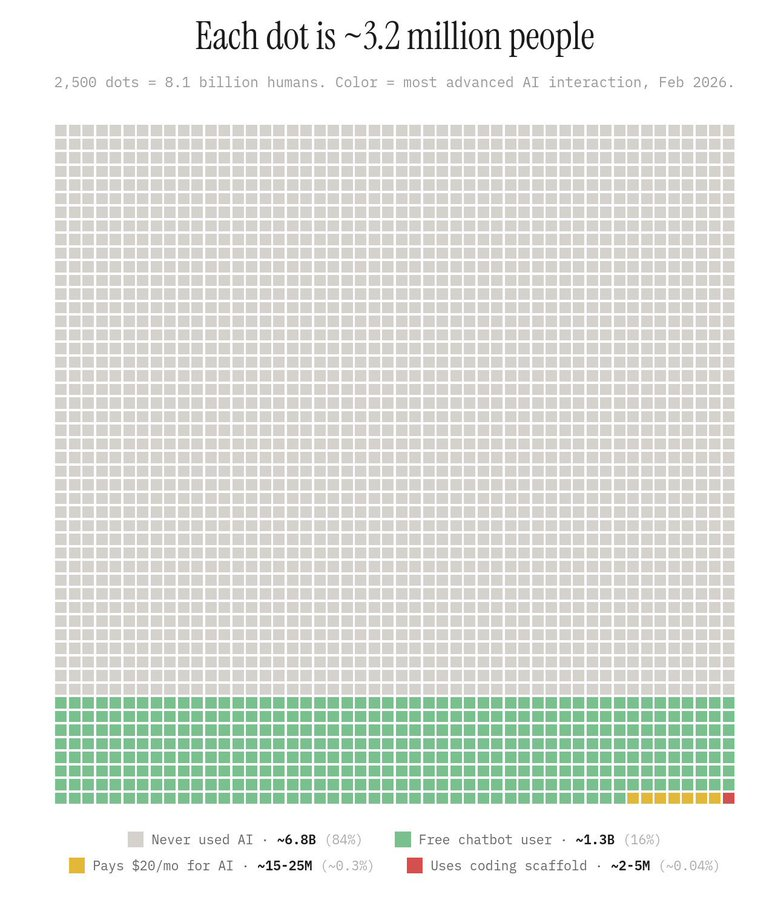
Roughly 84% of the planet has never used AI once. Not one prompt
Around 16% touched a free chatbot and stopped there
About 0.3% pay $20/mo for a real model
And a rounding error of humanity knows tools like Claude Code exist
You're reading an article about running a company on Claude skills
You're not late. You're early by default
Here's why that matters for money:
Billions of people and tens of millions of businesses will NEVER learn these tools
They're focused on their craft: roofing, dentistry, law, e-commerce
To them, what you'll build by the end of this article looks like magic
And magic is billable
One more unlock most people miss:
3 years ago only the US, UK, Canada and Australia were realistic markets for AI services
Right now Europe, LATAM and Asia are waking up at the same time
If you speak Swedish, Portuguese, Greek, Polish, anything non-English: that market is basically EMPTY
Same service, near-zero competition, way higher reply rates
## The Honest Part (Because I Promised No Guru Energy)
Every new business follows the same curve:
Day 1: you're hyped. "I can automate everything, clients everywhere, I'm rich"
Week 3: reality. The first client is hard. Skills take time. Nobody answers your messages
That's the bottom of the curve, and 95% of people quit exactly there
They call it a scam and move on to the next shiny thing
The 5% who push through the flat months win everything
My first client took months of daily outreach and paid a few hundred dollars
If that sentence just killed your motivation, this business is not for you
If it didn't, remember one rule for the rest of this article:
GET GOOD BEFORE YOU GET RICH
People pay you for the time you invested into skills they don't have. No skills = no invoice
## The Business Model (3 Levels, You Start at Level 1)
Before any tools, here's the full map of what you're actually selling
## Level 1: AI-Built Websites
Roughly 30% of US small businesses have no website at all. Most guides tell you to chase them
Don't. A business that survived 15 years without a website doesn't want one. That's the hardest sell, not the easiest
The real buyers are the other 70%: businesses with BAD websites
They already paid for one once, so they're proven buyers. The pain is visible: slow, broken on mobile, invisible on Google, looks like 2011
Plus two bonus segments almost nobody targets:
- brand-new businesses (fresh LLC registrations are public data, they need a site NOW and have no vendor yet)
- businesses running ads into a bad site (easiest pitch alive: "you're paying for clicks that bounce")
Easiest to deliver, fastest first dollar, and every rebuild starts with proof: their current site IS the before picture
Example on how you can get build easily one (with no specific design skills):
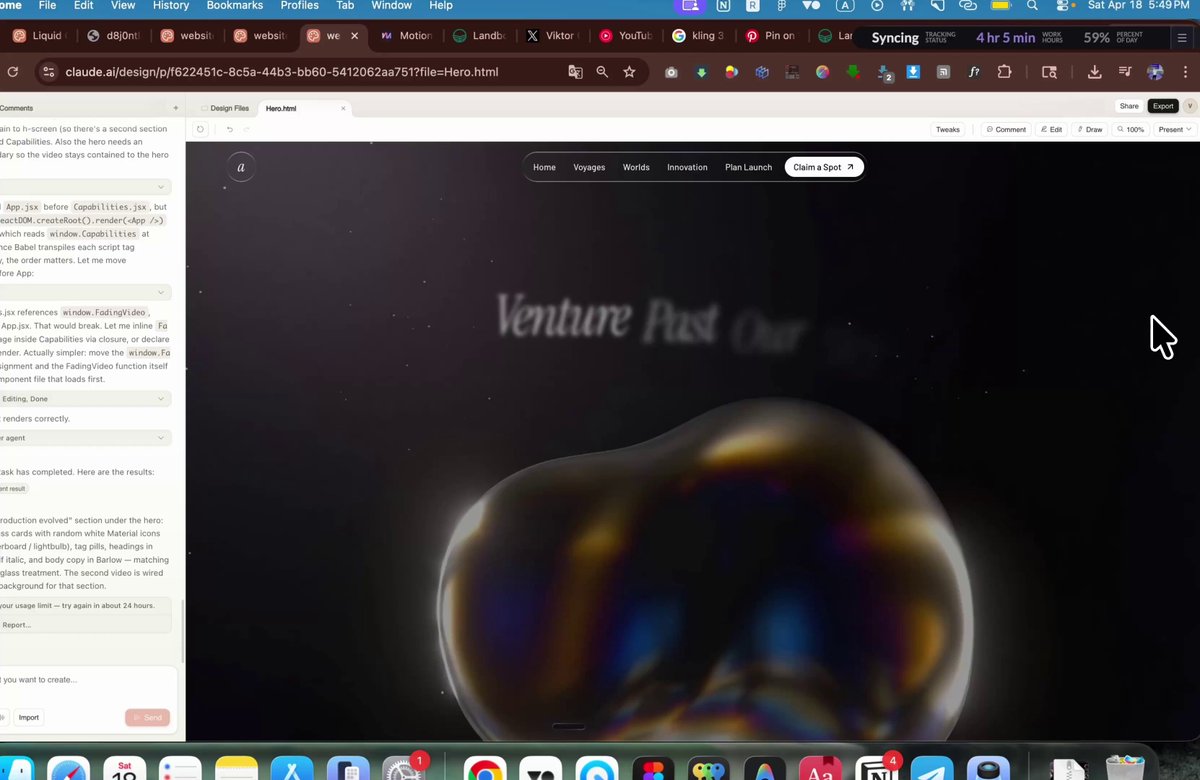
Typical ticket: ~$500 first sale, $3-10k once you have proof
## Level 2: Automations and Agents
Invoicing, lead follow-up, onboarding, review collection, support
This is where recurring revenue starts: things that run monthly get billed monthly
The niches where this is genuinely bleeding money:
- home services (roofers, plumbers, HVAC): one job is worth $2-15k
and the owner is on a roof when the lead calls. missed-call textback + follow-up is a printing press here
- dentists and clinics: every no-show costs $200-500. reminders, recalls and reactivation sell themselves
- real estate: a lead answered in 5 minutes converts many times better than one answered in an hour. speed-to-lead automation is the product
- law firms: intake chaos + clients ghosting paperwork. document chasing alone is worth the retainer
- solar and contractors: graveyards of old quotes. one reactivation campaign = five figures from zero ad spend
- e-commerce, gyms, salons: support inboxes, win-backs, abandoned carts
and here's the cheat code:
it's the same 4 automations in every niche. instant follow-up, review collection, reminders, dead-lead reactivation
build them once, skill-ify them, deploy per niche forever
Typical ticket: $1-5k setup + $200-500/mo
## Level 3: Full AI Systems
5-25 automations bundled behind one dashboard the client logs into
The client sees executions, hours saved, money saved. It's a product, not a gig
Typical ticket: $10-20k projects or $2-5k/mo retainers
The Rules of This Model
Everyone starts at level 1, no exceptions. Websites build skill, trust and testimonials at once
Levels compound: the client who bought a $500 website buys a $2k/mo system 8 months later
And you're not selling AI. Nobody pays for "an agent"
BAD: "we implement AI agent solutions"
GOOD: "you'll never miss a lead again, and your invoices send themselves"
[ PLAYBOOK BEGINS ] ↓↓↓
## Your AI Operating System (The 20 Minute Setup)
Your entire company will live in ONE folder
Claude Code is the operating system, skills are the employees, the folder is the office
Setup, step by step:
1. Install VS Code
You won't write code. Claude will. VS Code is just the garage
2. Install Claude Code from the terminal
Log in with a subscription (Pro or Max), not an API key. Pro is enough to start
3. Create your company folder and name it like your agency
This folder is your business. Everything you ever build lives here
Here's the exact structure you're gonna build:
```
/your-agency
├── CLAUDE.md (who you are, what the business does, how to behave)
├── skills/
│ ├── engineering/ (superpowers, context7, mcp-builder, webapp-testing)
│ ├── design/ (frontend-design, taste, brand-guidelines)
│ ├── sales/ (proposal-writer, campaign-builder, call-prep)
│ ├── delivery/ (build-premium-website, mini-automation, new-client-system)
│ └── operations/ (invoicing, onboarding, reporting)
├── clients/
│ └── [one folder per client: context, transcripts, builds]
├── templates/
│ └── [website templates, contract template, proposal skeleton]
└── content/
└── [proof posts, looms, screenshots for marketing]
```
Go create this structure RIGHT NOW. Seriously, pause reading and do it
Empty folders are fine today. They fill up over this article
4. Install your first skills
Skills are portable instruction sets that turn Claude into a specialist. I shared my full org chart of them before (42+ skills organised like departments), grab what fits
Install flow, copy-paste this into Claude Code:
```
I downloaded a folder of Claude skills to my Downloads folder
Research the official documentation for installing Claude skills
in a project, then install them into this folder
After installing, list every skill you now have access to
```
Restart the session after installing, skills load on start
5. Back it up
Create a PRIVATE GitHub repo named after your agency, then tell Claude:
```
push this folder to [repo url], don't push any secrets
```
If your laptop dies tomorrow, your company shouldn't die with it
The Core Principle (Remember This One)
The IP of a one-person business is not code
It's your SOPs, your processes and your skills
Every time you build something twice, turn it into a skill
By month 6 your skills folder is worth more than your client list
OS is running. Now we need the thing every beginner skips: customers
[ Client Machine #1 ] ↓↓↓
## Personal Brand + Lead Magnets (Clients Come to You)
Most guides send beginners to freelance platforms
I won't. A fresh profile with zero reviews competes against 6-year-old accounts, and you pay for every application. Brutal place to get offer #1
Here's the smarter machine: build proof in public and let clients DM you
The Proof-First Principle
Nobody hires a stranger with no track record
But here's the cheat: you don't need clients to build a track record
You need BUILDS. And with Claude you can produce a portfolio in one weekend that most freelancers take a year to collect
Step 1: Build Before Anyone Asks
Pick ONE niche (say, roofers or dentists)
Then build 3-5 real demos for businesses in that niche:
- a premium website for a real local business (yes, without asking)
- a missed-call textback automation with a 60 second demo video
- a review-collection flow showing the before/after math
fake clients, real builds. the work is identical to paid work, only the invoice is missing
Step 2: Post Every Build (The Content Engine)
every build becomes 3-5 posts:
- the 60 second screen recording: "built this website for a local roofing company in 10 minutes with Claude"
- the before/after shot of their current site vs your rebuild
- the numbers post: "this automation answers calls the owner misses. roofers lose $2-15k per missed call"
- the how-I-did-it breakdown for the builder audience
post on X and LinkedIn, daily. one platform for reach, one for buyers
you're not posting content. you're posting EVIDENCE
Step 3: The Lead Magnet (Turn Views into DMs)
a lead magnet is something so useful people hand over contact
info to get it. yours are free because Claude built them:
- the niche template pack: "5 website templates for [niche], free, DM me TEMPLATE"
- the audit: "comment AUDIT and I'll record a 2 minute video on what your website is losing you"
- the calculator: "this tool shows how much revenue a slow site costs you. link below"
the mechanic that matters: make them COMMENT or DM to get it
every comment = the algorithm pushes your post harder
every DM = a warm conversation you didn't cold-start
Example on how you can sell your product with this mechanics:
> **Miko@Mho_23**: [原文链接](https://x.com/Mho_23/status/2071293386724982947)
>
> I just cracked the code on AI animation ads
> every one of these cost me 12 cents and under 20 seconds to make
> Gemini Omni + Claude Code is f*cking wild.
> i built a system that turns any product into an end-to-end AI animated ad in ANY style you want.. claymation, pixar-style
>
> 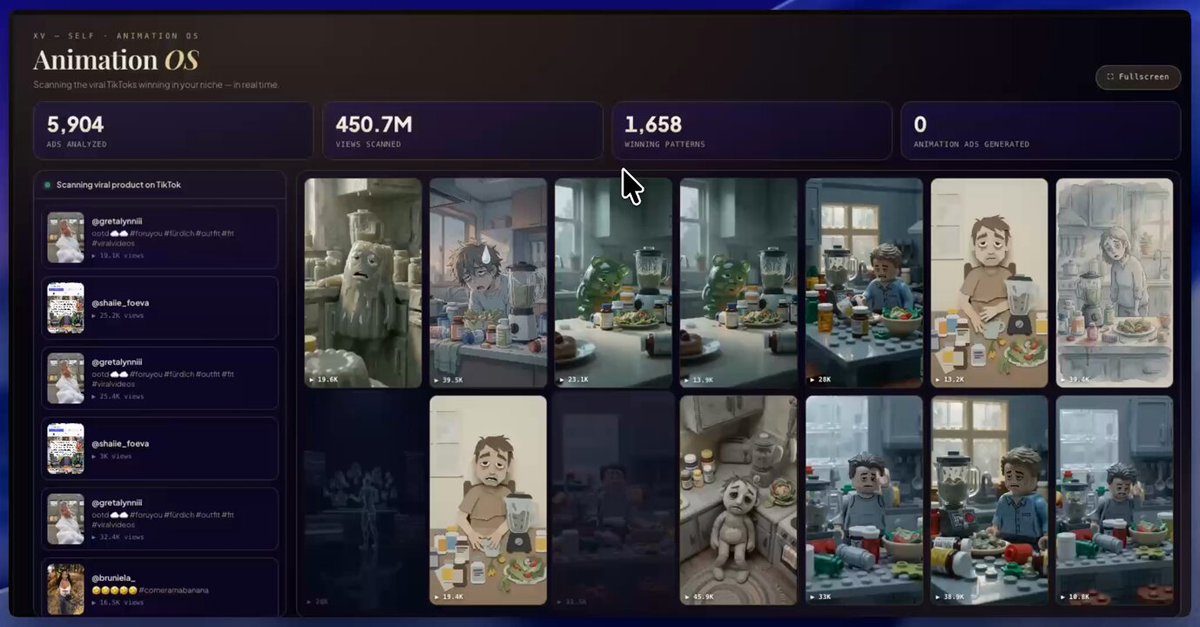
His tweet got 765 interested people in this system
For example 300 of 765 will read the docs he sent in DMs
In this doc, he literally leaves a lot of sales magnets to "BOOK A CALL" or if you want to get ready such as system with no efforts, "BUY IT HERE"
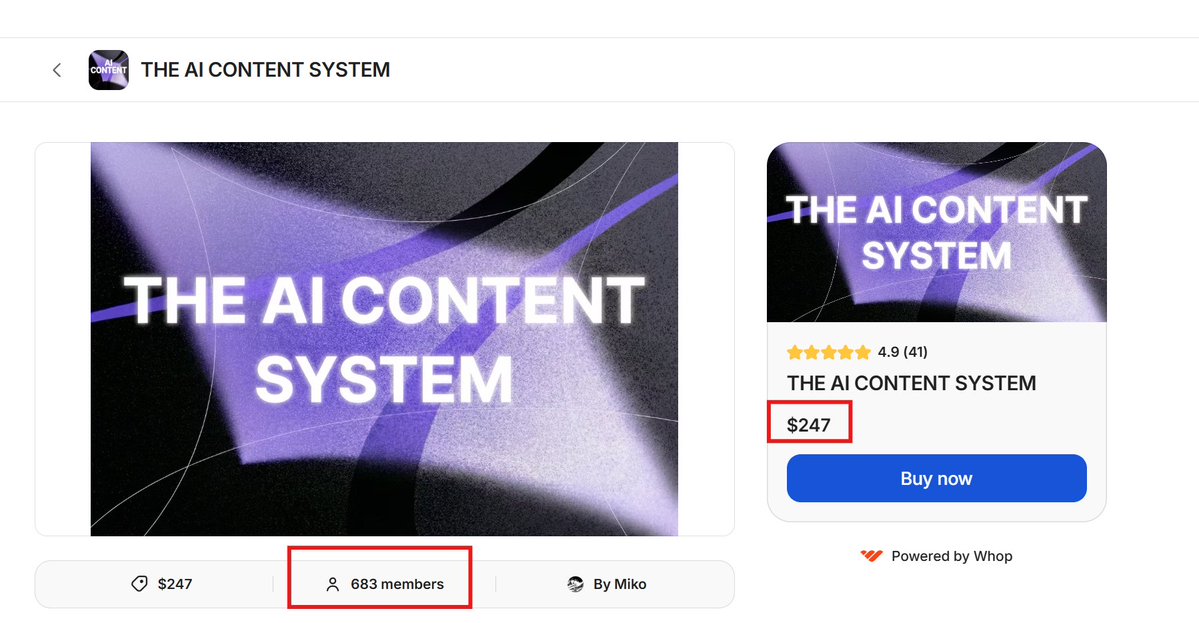
His system costs $247 (and let's just imagine the most minimum conversion 1%). That's 3 buyers at $247 = $741 from only one tweet and it scales...
In total, from such as conversion loops, he has already attracted 683 members who got interested to buy this system for $247 (IN TOTAL: $168,701)
Proof from Whop:
Step 4: The Smart Sell (The Demo-First Close)
here's the move that closes the loop, and it's the whole philosophy of this article in one play:
1. find a business in your niche with a bad website
2. rebuild their homepage with Claude (10 minutes, you have the skill)
3. deploy it on a free subdomain
4. send the owner a short loom: "I rebuilt your homepage, here's yours vs this. if you want it, it's yours, and I'll connect your domain today"
5. post the before/after publicly (blur the name if they haven't answered)
you're not asking for work. you're handing them the finished product with the price tag as the only step left
rejection rate is irrelevant: every "no" still produced
a portfolio piece and 3 posts
Step 5: First 3 Clients = Testimonial Price
your first 3 clients don't pay full price, they pay in proof:
"I'll build it for [cheap/free]. in exchange: a testimonial, a case study with real numbers, and 2 referrals if you're happy"
after 3 case studies with numbers, the personal brand machine
runs itself: post proof, collect DMs, close on calls
and unlike a freelance profile, this asset is YOURS. every post compounds, nobody charges you per application, and the audience you build becomes distribution for everything you ever sell after
Personal brand is your daily grind. now the machine that works while you sleep
[ Client Machine #2 ] ↓↓↓
## Cold Email (The Background Engine)
Personal Brand = active daily work, an hour or two every day
Cold email = passive pipeline, set up once, feeds you leads in the background
Run BOTH from day one. This pair is the highest-leverage combo that exists for a beginner
The Stack:
```
Instantly sending + inbox management ~$10-15 per domain
Apollo lead database + filtering free to browse
lead scraper exporting Apollo lists ~$0.005 per lead
MillionVerifier cleaning the list cheap per batch
Claude + MCP writing and managing campaigns your subscription
```
Deliverability Crash Course
Skip this and you burn your domains:
- NEVER send cold email from your main domain. One bad campaign kills it
- Buy pre-warmed domains inside the sending tool (~$10-15 per domain, 5 inboxes each)
- Each inbox sends ~20 emails/day safely, so one domain = ~100 sends/day
- Warming your own domain takes ~30 days, pre-warmed skips the wait
- Set domain forwarding to your real website so curious prospects land somewhere real
- Wait for 100% health score before sending anything
Building the List
The formula:
[niche] x [country] x [1-50 headcount] x [owner/founder titles] x [verified emails only]
- Filter in Apollo: location, industry keywords, titles (CEO, Founder, Owner), verified emails
- Headcount is the most underrated filter: 1-50 employees means the owner reads their own inbox
- Export through a scraper: 1,500 leads for ~$25 instead of Apollo pricing
- Clean the list through a verifier: expect ~60-65% "good", send ONLY to good
- Sending to dead emails = bounces = blacklisted domain = start over
And remember the language arbitrage: Swedish, Portuguese, Greek, Polish inboxes are EMPTY while US inboxes are a warzone. Same offer, translated, multiples of the reply rate (check local cold-email laws first, seriously)
The MCP Moment
Now the part that makes this a Claude article
Connect your sending tool's MCP to Claude (Claude settings → Connectors → add custom connector → paste the API URL)
Suddenly Claude can create campaigns, write sequences, pull replies and manage follow-ups on its own, ~38 tools worth of control
Then encode your campaign structure into a skill. The skill interviews YOU before writing:
```
1. What are you selling and to whom? (one paragraph)
2. What's the #1 pain this niche feels daily?
3. What tangible asset does the email offer?
(a demo site, a lost-revenue calculator, an audit,
this becomes the subject line)
4. What should the campaign be called?
```
Answer, and Claude drafts the full sequence with follow-ups and creates it in the tool through the MCP. You review, save, launch
Here's the first-email framing that works:
```
subject: [tangible asset for their business]
I was going to call, but figured I'd write first
I think [company] is losing [jobs/patients/orders] because
[specific observable problem: site doesn't rank, no reviews,
slow follow-up]
I made you [the asset] so you can see what I mean: [link]
Worth a 15 minute call?
```
The Numbers
So you know what "working" looks like:
A good campaign: ~10,000 sends, 5%+ reply rate. The industry norm is ~0.5%
Follow-ups produce most of the replies. Never send one-and-done
Rule of thumb: 100 sends/day = one interested lead every other day
One interested lead every other day = a full calendar within a month
And the offer rule that drives all of it: never email "we do AI solutions". Email a tangible artifact. "I built your company a demo site, here it is" flips the whole dynamic, they've seen the product before the call even starts
Leads are replying. Now the part everyone fumbles: the call
[ The Sales System ] ↓↓↓
## How to Close Clients (The Doctor Approach)
Beginners lose deals in three places: before the call, during the call, after the call
Here's all three, fixed
Before the Call
Rule 1: NEVER give price before the call
Price in DMs = judged on price alone, they can't see value yet
Price after a demo = compared against the value they just saw
Show $10k of value, then say $2k, and their brain does the math for you
If they push for price over text: "depends on scope, that's exactly what the 15 minutes is for"
Rule 2: confirmations + reminders on every channel
People forget they booked, feel embarrassed, and ghost. Kill it with cadence:
```
instantly: "confirmed, [day] at [time]. calendar invite sent"
every 3 days: "still on for [day]! preparing something for you"
1 day before: "quick reminder about tomorrow. I built a demo
based on your actual business, excited to show it"
1 hour before: "see you at [time]"
5 min before: "just wrapping another call, see you in 5"
```
The demo mention is deliberate. Skipping a meeting where someone built something FOR YOU feels rude. Guilt is a show-up strategy
Rule 3: never sell in DMs
Limited info in text, full value live
During the Call
A doctor doesn't open with "buy this prescription"
They ask where it hurts, diagnose, THEN prescribe
You talk 20%, they talk 80%, and your 20% is mostly questions
Why it works: when the CLIENT says the pain out loud, they convince themselves. You can't out-argue a conclusion they reached on their own
The question ladder:
```
1. "how do new customers usually find you right now?"
2. "what happens to a lead that calls after hours?"
3. "what do you think a customer does when they compare
your 5 reviews to your competitor's 150?"
4. "how much is one new [job/patient/client] worth to you?"
5. "what have you already tried to fix this?"
```
Question 3 is the pattern: make them state the loss themselves
Question 4 makes them price the solution before they've heard your price
The call skeleton:
1. Pain questions (the ladder above)
2. "I might have something for this, let's see if it even makes sense"
3. Show the demo, screen share, under 10 minutes
4. State the price. ONE number, clean
5. Then SHUT UP. The silence after price is where deals close. Don't fill it
6. Handle objections (they're usually questions in disguise: "what if it doesn't work?"), answer, close
And the ethics line: if they don't need it, tell them. A business with 500 reviews doesn't need your review system. One honest "you don't need this" generates more referrals than any close
Closing Mechanics
- Always book the next call ON the current call. Calendar = commitment. "Let me send the invite right now while we're here"
- Always take a commitment on the call
- The $1 Stripe trick: create a $1/year recurring payment link. "Let's put a card on file, it's $1 and I'm refunding it". Later you charge the real amount with zero friction
And the conversion weapon, the Proof of Concept close:
Payment upfront + satisfaction guarantee
"You pay to start, I build the entire thing, you see the finished product, and if you're not happy: full refund, no questions"
Removes 100% of their risk, signals total confidence
If your work is good you will basically never refund, and your close rate jumps
After the Call
- Overdeliver on the first project. Your reputation IS the business at this stage
- Set recurring bi-weekly review calls with every client. Agencies average 20-30% monthly churn, review calls take you to ~5%. 30% churn means clients stay 3 months, 5% means years
- Upsell ON those calls, never cold: website client → review automation → AI phone agent → ads
- Referrals, 2 rules: be SPECIFIC ("do you know any plumbers or electricians?" beats "know anyone?", the brain can't search "anyone") and give 20% commission on referred revenue
The Claude Trick I Promised
Connect an AI notetaker MCP to Claude (Fathom or similar). It records and transcribes every call
After the call, one prompt:
```
Check the transcript from my [time] call with [client]
Extract: their business context, every pain point mentioned,
what we agreed to build, timeline and budget signals
Write a full project spec into clients/[client-name]/
and propose the build plan
```
Claude reads the meeting, writes the spec, and can START BUILDING before you've had lunch
Zero context loss between what the client said and what gets built
Client closed, money committed. Now we deliver, and this is where Claude turns you into a team
[ Delivery Level 1 ] ↓↓↓
## Websites (Your First Product)
~10 million US small businesses have no website. They will never learn Claude Code, they're busy roofing and filling teeth. That gap is the job
What the market charges:
```
template freelancer $1-3k
boutique studio $3-10k
proper agency $10-30k
mid-tier agency $30-80k
top agency $80-250k+
your realistic FIRST sale ~$500
your target in year one $3-10k
```
The $500 first website is not underselling. It's buying a testimonial, a portfolio piece and a future upsell path in one transaction
The Build
Use a premium-website skill (build one or grab one from the skill repos)
/build-premium-website, then answer the interview: industry, brand vibe, colors, services
Production React + Tailwind site on localhost in under 10 minutes
Then iterate with screenshots: paste what looks wrong, describe it in plain words, Claude fixes it
What Makes It Sellable (Not Just Pretty)
- Bold CTA above the fold with a click-to-call number
- Social proof section: reviews, before/after photos
- Contact form wired to their CRM or email
- Fast load, animations in code
- Mobile checked (inspect → toggle device view)
Most designers build pretty sites that don't convert. You build converting sites. That's the pitch
Ship It, Free
1. Push the code to a GitHub repo
2. Vercel: add new project, paste the repo, deploy
3. Live in ~30 seconds on a free subdomain
4. Custom domain later through any registrar
Hosting cost at this stage: $0
The Portfolio Play
Build 5 template sites for 5 different industries THIS WEEK. Fake businesses are fine
One portfolio site that showcases all 5
Prospects pick instead of imagine, and picking closes faster than imagining
These templates are also your Upwork portfolio and your first proof posts
Then, after your second real website: encode the process into a skill
Delivery collapses from days to an afternoon
You just created your first employee
Websites open doors. Automations keep the money coming every month
[ Delivery Level 2 ] ↓↓↓
## Automations (Where Recurring Money Starts)
The default advice is drag-and-drop builders. Skip them
Use a code-based open source automation runner instead, here's why:
- Claude writes code better than it clicks UI
- Code is versionable, testable, and lives in your GitHub
- Open source = host anywhere, even on the client's own servers
- "Runs on your servers" is a phrase enterprise buyers pay extra for
For third-party access use an OAuth broker (Composio style) so Claude never touches raw Google credentials. You run one script, click two links, connections go active
One Complete Build: The Invoicing Automation
Form in → PDF invoice out → auto-sent via Gmail → archived to Drive
The prompt pattern:
```
I want to automate my invoicing process
Flow: I fill a simple web form, it builds the invoice,
exports a PDF, emails it to the client via Gmail,
and archives a copy to Google Drive
Use two skills:
1. the composio skill for all third-party authentication
2. the trigger.dev skill to build and host the task
Auto-generate invoice numbers by date. Keep all secrets
in a .env file, nothing hardcoded
Plan mode first: ask me your clarifying questions before building
```
Memorize that pattern, it repeats for everything: outcome + skills to use + constraints + plan mode
Claude asks clarifying questions (fields, trigger, email style), you answer, approve the plan, it builds
Then wire it up:
```
runner API key (from the automation platform)
auth broker key (from the OAuth service)
Anthropic API key (for AI-generated email text)
Drive folder ID (from the folder URL)
business details (logo URL, bank details, currency, net terms)
```
The Debug Loop
Something always breaks on the first test. The loop:
"check the logs, did my test work?"
Claude reads the run logs, finds the issue, fixes it, you rerun
Repeat until green. You never open a stack trace yourself
This loop is 80% of what "being technical" means now
Deploy the task to production, deploy the form to Vercel, done
One SECURITY WARNING: an exposed endpoint wired to your API key = a stranger burning your credits at 3am. Auth on anything public is not optional (the full pattern is in the next section)
The Biggest Idea in This Article
BUILD ONCE. SKILL-IFY IT. DELIVER FOREVER
After any successful build:
```
Create a skill from what we built this session
Make it GENERIC: any mini automation with a form front end,
a background task back end, and OAuth-brokered integrations,
not invoicing-specific
The skill must interview the user about their use case first,
and must research before building
Make it fully standalone: no references to this project's paths
Verify it's standalone before finishing
```
Then double check: "is this skill standalone? does it reference the invoice app anywhere?"
Your skills folder = your product catalog = the actual IP of the business
Every skill is an employee that works free, forever
Single automations sell for hundreds. Bundled systems sell for thousands
[ Delivery Level 3 ] ↓↓↓
## Full AI Systems (The $10k+ Tier)
A full AI system = 5-25 automations behind ONE dashboard the client logs into
Most agencies hand over spaghetti flows the client never opens
You hand over a product: executions this month, hours saved, tickets answered
The dashboard is what makes a retainer feel like software instead of an invoice
The stack:
```
front end Next.js + Tailwind + shadcn components
auth magic links via email, no passwords,
restricted to the client's email domain
back end code-based automation runner (open source)
database MongoDB (built-in vector search for RAG)
hosting Vercel (front) + runner cloud (back),
or the client's own servers for enterprise
```
The Build Order That Works
1. Scaffold the structure FIRST with zero design
Dashboard page, sidebar of automations, settings, login
The rule: it's much harder to fix bad to good than to build good from the start, but structure comes before beauty
2. Design makeover pass with a frontend skill
"Give this app a makeover, [style] vibe, light and dark mode", then iterate with screenshots
3. Install automation #1
The invoicing build you already have, rebranded inside the dashboard
4. Onboarding automation, built in minutes
Contract PDF generated with the client's details + calendar link email + onboarding survey
One trigger, three emails, new client onboarded while you sleep
5. The flagship: the AI support inbox
What it does:
- Watches a shared support inbox every 10 minutes
- RAG over the client's knowledge base (they paste docs, PDFs, URLs)
- Auto-answers the ~60% of tickets that are repetitive
- Every answer ships with a confidence score + citations
- Low-confidence tickets escalate to a human queue WITH a pre-drafted reply waiting
- Analytics tab: tickets answered, escalation rate, hours saved
The Economics That Sell It
```
a support rep costs $2-4k/mo
a 10-person team cut to 5 saves $15k/mo
you charge $2-5k/mo
client still saves $10k+/mo
nobody churns from that math
```
And the same system resells to your next client with just a new knowledge base. Second sale = almost pure margin
Ship It + Skill-ify It
Private GitHub repo, Vercel deploy, set every env variable in the hosting dashboard, and update the auth URL from localhost to the live domain (everyone forgets this exactly once)
Then the final skill-ification: encode the whole scaffold as a "new-client-system" skill that asks for client name, email domain and brand colors
Every future client gets a live dashboard on DAY ONE, in minutes
This is the moment it stops being freelancing and becomes a company
And if you're thinking "I could never build this", the next section deletes that excuse
[ The Meta-Skill ] ↓↓↓
## How to Build ANYTHING With Zero Experience (The 4-Step Framework)
1. BUILD PLAN (the design spec)
What you're building + the tech stack + the design and UX
The stack determines cost, speed, scalability and how hard it is to extend later
Go back and forth with Claude for literally HOURS on a complex build
This document is where the project is won or lost
2. IMPLEMENTATION PLAN
The how: the build plan broken into steps with checkboxes
A complex build is ~40 steps: file structure, database, auth, features, in order
Forcing sequence forces good decisions
3. BUILD
Feed steps one at a time: "start with step 1"
Approve between steps, don't dump the whole plan at once
Use sub-agent execution for speed on big builds
4. TEST AND REFINE
You WILL hit bugs. Paste every error to Claude verbatim
Then the design makeover pass at the end
The Ratio Rule
80% of your time goes into steps 1 and 2
20% into step 3
Everyone does the opposite, then wonders why the AI "built the wrong thing"
Give me six hours to chop down a tree and I'll spend four sharpening the axe
The Zero-Experience Cheat: Two-Model Verification
One AI proposes the stack and the plan
A second session audits it: "here's a proposed architecture, is this actually the right choice? what breaks at scale?"
Consultant + auditor. They catch each other's blind spots
This is how you make senior-engineer decisions with zero background
And when you don't know the answer to a clarifying question, "what would you recommend?" is always allowed
Your kickoff prompt for anything:
```
I want to build [thing]
First: a build plan. Ask me questions about how it should
work, then write the design spec as a .md file
Recommend the tech stack and justify it: cost to run,
speed, scalability
Don't write any code until I approve the spec
```
The framework is the skill. The stack is a detail
You can build anything. Now let's make sure you charge like it
[ Pricing ] ↓↓↓
## How to Price AI Services (The 5x Rule)
The golden rule of everything:
GIVE EVERY CLIENT A 5X RETURN ON WHAT THEY PAY YOU
Save them $10k/mo, charge $2k/mo
Why it works:
- The client re-does the math every month and re-decides to stay. Make the math undeniable
- Low churn compounds into referrals
- Enough referrals = negative churn: the agency grows without outreach
Calculating the Value
Path 1, payroll saved:
```
support team: 10 reps at $3k/mo
your system cuts it to 5
value created: $15k/mo
your price at 5x: $3k/mo
client keeps: $12k/mo, forever
```
Path 2, new revenue:
Price on GROSS PROFIT of NEW revenue only, never existing
System generates $100k/mo new revenue at ~$40k gross profit → your price ~$8k/mo
The Three Pricing Structures
1. Result-based (% of gross profit, ~20%)
Highest ceiling, scales infinitely with the client
Requires trackability: a real CRM, clean attribution
One result-based client can produce six figures of LTV where a retainer would have made $12k
Rule: retainer if you're average, result-based if you're great
When value is untrackable (a support widget), fall back to per-unit pricing (~$1 per conversation)
2. Upfront + recurring (the default)
Example: $2k upfront + $500/mo service fee
The upfront creates commitment. Clients who pay nothing ghost
The recurring is justified as support, monitoring, fixes, improvements
ALWAYS pair with the satisfaction guarantee
Ten clients on this = $5k/mo baseline before any new sales
3. Usage tiers (whale insurance)
Like software: 100 calls / 1,000 calls / 5,000 calls / custom above
Protects you from the $500/mo client who turns out to do 10,000 calls
Simplicity Rules
A confused person doesn't buy
ONE price, not a menu of line items
Bundle software costs into your price 99% of the time ($600 flat beats "$500 + $100 in tools")
Exception: enterprise that wants to own and host everything, they pay their own tooling and a much higher fee
And the rule above all pricing rules:
BAD: "an AI agent with RAG over your knowledge base and confidence-scored escalation"
GOOD: "your support inbox answers itself and you save $10k a month"
Nobody buys AI. Nobody even buys automation. They buy more money, more time, and fewer employees doing boring work
One more engine and the whole loop closes
[ The Flywheel ] ↓↓↓
## Show Your Work (The Compounding Loop)
Every client build is a content asset you already paid for
The loom you recorded for the proposal: content
The dashboard screenshot: content
The before/after of their website: content
The support inbox hitting 63% auto-answered this month: content
The loop:
build for a client → post the proof → proof pulls inbound leads → inbound = no connects, no sending costs, no cold anything → better clients → better builds → better proof → repeat
What to post: "built this in 10 minutes with Claude" screen recordings, before/after shots, real numbers, and the org chart of your skills folder (meta, but it works, ask me how I know)
I run this exact posting system across 10 platforms without writing anything manually. The full breakdown is in my Content Engine article, it's the perfect companion to this one
Your agency and your audience feed each other. Most people build only one. Build both
## CONCLUSION (what to do)
1. Set up the OS today: folder + Claude Code + skills + GitHub backup. 20 minutes, do it right now
2. Build your first template website tomorrow for a fake business, deploy it free
3. This weekend: create your freelance profile AND launch one small cold campaign
4. Spend 4 HOURS A DAY on outreach. Marketing and selling are the real skills of this business, not AI. This is the part everyone underestimates and the reason most people fail
5. Take your first clients free or cheap. You're buying testimonials, trust and reps, not income
6. Get to $2-3k/mo that covers your life. The success criteria of business is staying in business. 9 out of 10 die here, not at scaling
7. Then raise prices. Fire broke and annoying clients. Fewer clients, higher pay
8. Find the bottleneck, fix it, find the next one. Leads, then calls, then delivery, then leads again. You'll be on this step forever. That's the job
And the honest footnotes:
You don't have to quit your job. Build 5-9am when your brain is fresh, work 9-5, two hours in the evening, weekends
Growth is exponential AND volatile: months of flat, then it clicks, then a dip, then a bigger click
One person is how you START, not a cap. Claude carries 10-15 clients mostly on its own
And don't over-automate. Sometimes hiring one human for calls beats three weeks of building a mediocre automation. Even coming from me
A business used to be an office full of people
Now it's a folder, a subscription, and someone who refuses to quit
If you loved this article and found it valuable, please put the LIKE + RT ❤️
If this article collects 2,000+ Likes, I drop the full skill pack from it (proposal writer, campaign builder, website builder, new-client-system) in a follow-up
Now, it's time to go build it buddies 😎
## 相关链接
- [Ronin](https://x.com/DeRonin_)
- [@DeRonin_](https://x.com/DeRonin_)
- [187K](https://x.com/DeRonin_/status/2076690611399176506/analytics)
- [$3-10k](https://x.com/search?q=%243-10k&src=cashtag_click)
- [$2-15k](https://x.com/search?q=%242-15k&src=cashtag_click)
- [$1-5k](https://x.com/search?q=%241-5k&src=cashtag_click)
- [$10-20k](https://x.com/search?q=%2410-20k&src=cashtag_click)
- [$2-5k](https://x.com/search?q=%242-5k&src=cashtag_click)
- [$2-15k](https://x.com/search?q=%242-15k&src=cashtag_click)
- [Jun 29](https://x.com/Mho_23/status/2071293386724982947)
- [108K](https://x.com/Mho_23/status/2071293386724982947/analytics)
- [$10k+](https://x.com/search?q=%2410k%2B&src=cashtag_click)
- [$2-3k](https://x.com/search?q=%242-3k&src=cashtag_click)
- [Upgrade to Premium](https://x.com/i/premium_sign_up)
- [11:29 PM · Jul 13, 2026](https://x.com/DeRonin_/status/2076690611399176506)
- [187.6K Views](https://x.com/DeRonin_/status/2076690611399176506/analytics)
- [View quotes](https://x.com/DeRonin_/status/2076690611399176506/quotes)
---
*导出时间: 2026/7/14 09:40:33*
---
## 中文翻译
# 使用 Claude 开启一人创业(完整教程)
**作者**: Ronin
**日期**: 2026-06-28T18:03:20.000Z
**来源**: [https://x.com/DeRonin_/status/2076690611399176506](https://x.com/DeRonin_/status/2076690611399176506)
---

我经营一家月收入 4 万美元($40k MRR)的代理商,没有任何员工。
没有开发者。没有销售团队。没有运营经理。没有抽成 30% 的合作伙伴。
只有 Claude Code,一个像真实公司一样组织起来的技能文件夹,以及一个在我睡觉时自动填充的客户管道。
这绝不是另一篇“AI 能让你发财”的文章。我将按顺序向你展示每一个系统、每一个提示词、每一个价格和每一个错误,从零开始。
如果你下周就需要钱,请关闭此页面。如果你准备在未来 3-6 个月内建立一番实实在在的事业,这是你唯一需要的文章。
阅读并执行本文后,你将拥有:
1. 一套完整的商业 AI 操作系统(Claude Code + 云备份的技能文件夹)
2. 两台并行运行的获客机器(自由职业平台 + 自动化冷邮件)
3. 一个无需强行推销就能成交的销售流程(包括让 Claude 听你销售电话的技巧)
4. 你可以完全独立交付的三种服务层级:网站、自动化、完整 AI 系统
5. 一个能让你交付从未构建过事物的构建框架
6. 一个让客户持续付费数年的定价模型(5 倍法则)
[ 让我们开始构建 ] ↓↓↓
## 为什么选择一人创业?(以及为什么 2026 年是“作弊码”之年)
快速算一下,世界在 AI 方面的实际进展:

全球约有 84% 的人从未使用过 AI。连一个提示词都没用过。
约 16% 的人接触过免费聊天机器人然后就止步于此。
约 0.3% 的人每月支付 20 美元使用真正的模型。
至于知道 Claude Code 等工具存在的人,不过是人类总数中四舍五入般的误差。
你正在读一篇关于靠 Claude 技能运营公司的文章。
你不算迟。你天生就领先一步。
这为什么对赚钱很重要:
数十亿人和数千万企业**永远**不会学习这些工具。
他们专注于自己的手艺:屋顶修复、牙科、法律、电子商务。
对他们来说,你在本文结尾将要构建的东西看起来就像魔法。
而魔法是可以收费的。
还有一个大多数人会错过的解锁点:
3 年前,只有美国、英国、加拿大和澳大利亚是 AI 服务的现实市场。
现在,欧洲、拉丁美洲和亚洲正在同时觉醒。
如果你会说瑞典语、葡萄牙语、希腊语、波兰语,或任何非英语:这些市场基本上是**空白的**。
同样的服务,接近零的竞争,高得多的回复率。
## 诚实声明部分(因为我承诺过不做大师派头)
每一家新创业的公司都遵循同样的曲线:
第 1 天:你很兴奋。“我可以自动化一切,到处都是客户,我要发财了。”
第 3 周:现实来袭。第一个客户很难找。技能需要时间打磨。没人回复你的信息。
这就是曲线的底部,95% 的人会在此处准确退出。
他们称之为骗局,然后转而去追逐下一个光鲜亮丽的东西。
那 5% 坚持过平淡月份的人将赢得一切。
我的第一个客户花了几个月的每天外联,只支付了几百美元。
如果这句话刚刚扼杀了你的动力,那么这门生意不适合你。
如果没有,请记住贯穿本文其余部分的一条规则:
**先变强,再致富**
人们为你投入在他们所不具备的技能上的时间付费。没有技能 = 没有账单。
## 商业模式(3 个等级,你从第 1 级开始)
在谈任何工具之前,这是你实际销售的完整地图
## 第 1 级:AI 构建的网站
美国约有 30% 的小企业根本没有网站。大多数指南会让你去追逐他们。
别去。一家在没有网站的情况下生存了 15 年的企业,并不想要一个网站。那是最难推销的,而不是最容易的。
真正的买家是另外 70%:拥有**糟糕**网站的企业。
他们已经为此付过一次钱了,所以他们是被证明的买家。痛点显而易见:速度慢、移动端显示错乱、在 Google 上搜不到、看起来像 2011 年的古董。
加上两个几乎无人关注的额外细分市场:
- 全新的企业(新注册的 LLC 是公开数据,他们**现在**就需要网站,且还没有供应商)
- 正在向糟糕网站投放广告的企业(最简单的推销话术:“你正在花钱买会流失的点击”)
最容易交付,最快获得第一笔美元,而且每一次重建都始于证明:他们当前的网站就是“改造前”的图片。
关于如何轻松构建一个网站的示例(无需特定设计技能):

典型客单价:首次销售约 500 美元,有案例证明后 3-10k 美元。
## 第 2 级:自动化与智能体
发票开具、线索跟进、入职引导、评论收集、客户支持。
这就是经常性收入开始的地方:每月运行的东西按月收费。
以下领域真正在流失金钱:
- 家庭服务(屋顶工、水管工、暖通空调):一单生意价值 2-15k 美元,而且当线索打来电话时,老板正在屋顶上。漏接电话短信回拨 + 后续跟进在这里就是一台印钞机。
- 牙医和诊所:每一次爽约都要损失 200-500 美元。提醒、召回和激活服务本身就很好卖。
- 房地产:5 分钟内回复的线索转化率远高于 1 小时后回复的。线索响应速度自动化就是产品。
- 律师事务所: intake 流程混乱 + 客户在文书上玩失踪。光是文书追踪就值这笔咨询费。
- 太阳能和承包商:陈旧报价的墓地。一次激活活动 = 零广告支出下的五位数收入。
- 电子商务、健身房、沙龙:支持收件箱、赢回客户、弃单挽回。
这是作弊码:
每个细分领域都是同样的 4 种自动化。即时跟进、评论收集、提醒、死线索激活。
构建一次,技能化,然后永远按细分领域部署。
典型客单价:1-5k 美元搭建 + 200-500 美元/月。
## 第 3 级:完整 AI 系统
5-25 个自动化打包在一个客户登录的仪表板后面。
客户看到的是执行结果、节省的时间、节省的金钱。这是一个产品,不是零工。
典型客单价:10-20k 美元的项目或 2-5k 美元/月的retain费用。
## 此模型的规则
每个人都从第 1 级开始,无一例外。网站能同时建立技能、信任和好评。
等级是复利的:买了 500 美元网站的客户会在 8 个月后购买 2k 美元/月的系统。
而且你不是在卖 AI。没人会为“一个智能体”付费。
**差**:“我们实施 AI 智能体解决方案”
**好**:“你将永远不再错过线索,而且你的发票会自动发送”
[ 实战手册开始 ] ↓↓↓
## 你的 AI 操作系统(20 分钟设置)
你的整个公司都将存在于**一个**文件夹中。
Claude Code 是操作系统,技能是员工,文件夹是办公室。
逐步设置:
**1. 安装 VS Code**
你不需要写代码。Claude 会写。VS Code 只是车间。
**2. 从终端安装 Claude Code**
使用订阅账户登录,而不是 API 密钥。Pro 版足以开始。
**3. 创建你的公司文件夹并以你的代理商命名**
这个文件夹就是你的生意。你构建的一切都将存在于这里。
以下是你要构建的精确结构:
```
/your-agency
├── CLAUDE.md (你是谁,业务做什么,如何行事)
├── skills/
│ ├── engineering/ (超能力、context7、mcp-builder、webapp-testing)
│ ├── design/ (前端设计、审美、品牌指南)
│ ├── sales/ (提案撰写、活动构建、通话准备)
│ ├── delivery/ (构建高级网站、迷你自动化、新客户系统)
│ └── operations/ (开票、入职、报告)
├── clients/
│ └── [每个客户一个文件夹:上下文、记录、构建物]
├── templates/
│ └── [网站模板、合同模板、提案骨架]
└── content/
└── [证明性帖子、Looms、用于营销的截图]
```
**现在就去创建这个结构。说真的,暂停阅读并动手做。**
今天空文件夹也没关系。它们会在本文过程中逐渐填满。
**4. 安装你的首批技能**
技能是便携的指令集,能将 Claude 变成专家。我之前分享过我的完整组织架构图(42+ 技能按部门组织),挑选适合的拿去用。
安装流程:将以下内容复制粘贴到 Claude Code 中:
```
I downloaded a folder of Claude skills to my Downloads folder
Research the official documentation for installing Claude skills
in a project, then install them into this folder
After installing, list every skill you now have access to
```
安装后重启会话,技能会在启动时加载。
**5. 备份它**
创建一个以你的代理商命名的**私有** GitHub 仓库,然后告诉 Claude:
```
push this folder to [repo url], don't push any secrets
```
如果你的笔记本电脑明天坏了,你的公司不应该随它而去。
**核心原则(记住这一条)**
一人企业的知识产权不是代码。
它是你的 SOP(标准作业程序)、流程和技能。
每当你构建某样东西两次时,把它变成一个技能。
到第 6 个月,你的技能文件夹将比你的客户名单更值钱。
操作系统已运行。现在我们需要每个初学者都会跳过的东西:客户。
[ 客户机器 #1 ] ↓↓↓
## 个人品牌 + 潜在客户磁铁(客户主动找你)
大多数指南让初学者去自由职业平台。
我不会。一个零评价的新资料要与 6 年的老账号竞争,而且你每次申请都要付费。这是获得第一个订单的残酷之地。
这是更聪明的机器:公开构建证明,让客户给你发私信。
**证明优先原则**
没人会雇佣一个没有业绩记录的陌生人。
但这里是作弊码:你不需要客户来建立业绩记录。
你需要的是**构建物**。有了 Claude,你可以在一个周末内制作出一个大多数自由职业者需要一年才能收集的作品集。
**第 1 步:在有人要求之前先构建**
选择**一个**细分市场(比如屋顶工或牙医)
然后为该细分市场的企业构建 3-5 个真实的演示:
- 为一家真实的本地企业构建一个高级网站(是的,不询问对方)
- 一个漏接电话短信回拨自动化,配 60 秒演示视频
- 一个展示改造前后数据对比的评论收集流程
假客户,真实构建。工作与付费工作完全相同,只是缺少了账单。
**第 2 步:发布每一个构建物(内容引擎)**
每一个构建物变成 3-5 个帖子:
- 60 秒屏幕录制:“我用 Claude 在 10 分钟内为一家本地屋顶公司构建了这个网站”
- 他们当前网站与你重建网站的改造前后对比图
- 数据帖子:“这个自动化能接听老板漏掉的电话。屋顶工每次漏接电话损失 2-15k 美元”
- 面向构建者受众的“我是如何做到的”拆解
在 X 和 LinkedIn 上每天发帖。一个平台为了触达,一个为了买家。
你不是在发内容。你是在发**证据**。
**第 3 步:潜在客户磁铁(将浏览转化为私信)**
潜在客户磁铁是某种非常有用的东西,人们为了得到它愿意交出联系方式。
你的都是免费的,因为是 Claude 构建的:
- 细分模板包:“[细分领域] 的 5 个网站模板,免费,私信我 TEMPLATE”
- 审计:“评论 AUDIT,我会录制一个 2 分钟视频说明你的网站让你损失了什么”
- 计算器:“这个工具能显示慢速网站让你损失了多少收入。链接在下方”
关键机制:让他们**评论**或**私信**来获取它。
每条评论 = 算法会更大力地推送你的帖子。
每条私信 = 一场你没有冷启动的温暖对话。
关于如何利用这种机制销售产品的示例:
> **Miko@Mho_23**: [原文链接](https://x.com/Mho_23/status/2071293386724982947)
>
> I just cracked the code on AI animation ads
> every one of these cost me 12 cents and under 20 seconds to make
> Gemini Omni + Claude Code is f*cking wild.
> i built a system that turns any product into an end-to-end AI animated ad in ANY style you want.. claymation, pixar-style
>
> 
他的推文让 765 人对这个系统感兴趣。
例如,765 人中有 300 人会阅读他在私信中发送的文档。
在该文档中,他字面上留下了很多销售磁铁,引导到“预约通话”或者如果你想毫不费力地获得这样一个系统,“点击这里购买”。
他的系统售价 247 美元(我们仅设想最低转化率 1%)。这就是 3 个买家 x 247 美元 = 仅从一条推文就获得 741 美元,而且它会扩大规模……
总计,通过这种转化闭环,他已经吸引了 683 名有兴趣以 247 美元购买该系统的成员(总计:168,701 美元)。
来自 Whop 的证明:

**第 4 步:聪明销售(演示优先成交)**
这是闭环的一步,也是本文整个哲学在一个战术中的体现:
1. 在你的细分领域找一家网站很烂的企业。
2. 用 Claude 重建它的首页(10 分钟,你有这个技能)。
3. 将其部署在一个免费的子域名上。
4. 给老板发一个简短的 Loom 视频:“我重建了你的首页,这是你的 vs 这个。如果你想要,它就是你的,我今天就能把你的域名接上。”
5. 公开发布改造前后的对比(如果他们还没回复,就把名字打码)。
你不是在请求工作。你是把成品递给他们,剩下的步骤只有付钱。
拒绝率无关紧要:每一个“不”仍然产生了一个作品集条目和 3 个帖子。
**第 5 步:前 3 个客户 = 证明价**
你的前 3 个客户不付全价,他们支付的是证明:
“我会为你[便宜/免费]构建。交换条件:一个推荐信、一个带真实数据的案例研究,如果你满意的话还要 2 个转介绍。”
在有了 3 个带数据的案例研究后,个人品牌机器就会自动运行:发证明,收私信,在通话中成交。
而且不同于自由职业资料,这个资产是**你的**。每条帖子都在复利,没人按申请次数向你收费,你建立的受众将成为你以后销售任何东西的分发渠道。
个人品牌是你的日常苦差。现在让我们来看看那台在你睡觉时工作的机器。
[ 客户机器 #2 ] ↓↓↓
## 冷邮件(后台引擎)
个人品牌 = 日常的主动工作,每天一两个小时。
冷邮件 = 被动管道,设置一次,在后台为你输送线索。
从第 1 天起就**同时**运行这两者。这对初学者来说是现有杠杆率最高的组合。
技术栈:
```
Instantly 发送 + 收件箱管理 每个域名约 $10-15
Apollo 线索数据库 + 筛选 浏览免费
lead scraper 导出 Apollo 列表 每条线索约 $0.005
MillionVerifier 清理列表 每批次便宜
Claude + MCP 编写和管理活动 你的订阅费
```
**送达速成课程**
跳过这个,你会烧毁你的域名:
- **永远**不要从你的主域名发冷邮件。一个糟糕的活动就能毁掉它。
- 在发送工具内购买预热好的域名(约每个域名 10-15 美元,5 个收件箱)。
- 每个收件箱每天安全发送约 20 封邮件,所以一个域名 = 每天约 100 次发送。
- 自己预热域名需要约 30 天,购买预热的域名可以跳过等待。
- 将域名转发设置为你的真实网站,以便好奇的潜在客户能着陆在真实的地方。
- 等到健康评分达到 100% 再开始发送任何东西。
**构建列表**
公式:
`[细分市场] x [国家] x [1-50 人规模] x [所有者/创始人头衔] x [仅验证邮箱]`
- 在 Apollo 中筛选:地点、行业关键词、头衔(CEO、Founder、Owner)、验证邮箱。
- 员工人数是最被低估的筛选器:1-50 人意味着老板亲自读收件箱。
- 通过爬虫导出:花约 25 美元获得 1,500 个线索,而不是 Apollo 的定价。
- 通过验证工具清理列表:预期约 60-65% 为“好”,**只**发给好的邮箱。
- 给死邮箱发信 = 退信 = 域名被列入黑名单 = 重新开始。
还记得语言套利吗:瑞典语、葡萄牙语、希腊语、波兰语的收件箱是**空的**,而美国收件箱是战场。同样的报价,翻译一下,回复率翻倍(首先检查当地冷邮件法律,说真的)。
**MCP 时刻**
现在这部分让这成为一篇 Claude 文章。
将你发送工具的 MCP 连接到 Claude(Claude 设置 → 连接器 → 添加自定义连接器 → 粘贴 API URL)。
突然之间,Claude 可以创建活动、编写序列、拉取回复并自动管理跟进,拥有约 38 个工具价值的控制权。
然后将你的活动结构编码为一个技能。该技...