# They Sold You an Idea About Sleep.
**作者**: Brian Roemmele
**日期**: 2026-07-22T04:20:10.000Z
**来源**: [https://x.com/BrianRoemmele/status/2079783536232710214](https://x.com/BrianRoemmele/status/2079783536232710214)
---
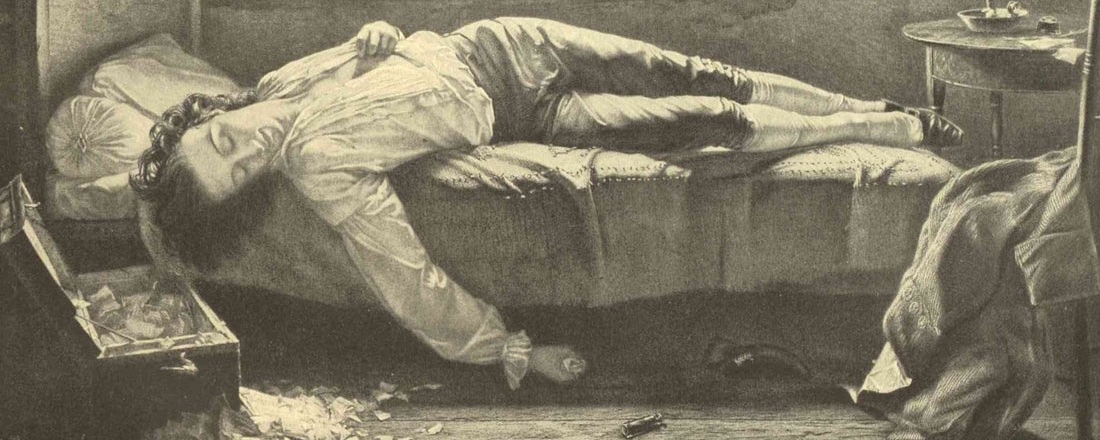
For generations we have been told one story: a healthy adult needs roughly eight hours of uninterrupted sleep. Waking in the middle of the night is framed as a flaw to be corrected. The modern world sold us a single, consolidated block of slumber as the only correct pattern.
History tells a different story.
For 200,000 years, humans didn't sleep 8 hours in a row. That number was invented in 1938 by a mattress company called Simmons. Then they hired a psychologist named Dr. Nathaniel Kleitman to "test" whether 8 straight hours were the biological standard. Dr. Nathaniel Kleitman falsified the studies. He was completely funded by the mattress industry.
For centuries in much of the pre-industrial West, sleep commonly occurred in two phases. People went to bed soon after nightfall and slept for several hours—what was openly called the “first sleep.” They then woke naturally sometime after midnight, remained awake for an hour or two, and returned to bed for the “second sleep” that carried them to morning. This was not insomnia. It was the ordinary architecture of the night.
The Watch and What Happened There
The interval between the two sleeps—sometimes simply called “the watch”—was not empty time. People rose, tended the fire, prayed, reflected, interpreted dreams, read, wrote, made love, or visited quietly with family. It was a pocket of conscious wakefulness that belonged to no schedule but the body’s own.
Historical records treat “first sleep” and “second sleep” as ordinary, self-evident terms. The pattern was widespread enough that no one needed to explain it.
What Electric Light Actually Changed
The shift away from this rhythm was not caused by moral failure or weak willpower. It was driven by technology and economics—most powerfully by artificial light.
Earlier forms of lighting (candles, oil lamps, even gas) already extended the evening somewhat. But electric light was different in kind. It was far brighter, instantly available, and eventually rich in the short blue wavelengths that most powerfully affect the circadian system.
Evening and nighttime exposure to electric light does several measurable things:
- It suppresses melatonin, the hormone that signals night to the body. Studies show even a few hours of typical evening screen or room light can cut melatonin levels dramatically—sometimes by more than half.
- It delays the internal clock. The timing of sleep propensity and melatonin onset shifts later, often by an hour or more.
- It increases the time it takes to fall asleep.
- It reduces both the amount and the timely progression of REM sleep.
- It impairs alertness the following morning even when total sleep time looks adequate on paper.
In short, electric light does not merely let us stay up later. It chemically and neurologically alters the very structure of the sleep we do get. The old biphasic pattern—first sleep, natural wake, second sleep—became harder to sustain because the body’s signals were being overwritten by light that evolution never prepared it to encounter after dark.
REM Sleep, Repair, and Why the Old Pattern May Have Served Us Better
Sleep is not one uniform state. It cycles through distinct stages, each serving different repair functions.
Early in the night, sleep tends to be rich in slow-wave (deep) sleep. This stage is when the body releases growth hormone, repairs tissues, strengthens the immune system, and clears metabolic waste from the brain. The first sleep of the historical pattern likely captured a good portion of this deep, physically restorative sleep.
As the night progresses, REM sleep becomes more prominent and longer-lasting. REM is when the brain does much of its emotional processing, memory consolidation (especially of experiences and skills), and plasticity work. It is also when most vivid dreaming occurs. The historical “watch” often fell right after the first sleep and before the second sleep—precisely the window when people reported reflecting on dreams. The second sleep then gave the body time to complete the later, REM-rich cycles.
Modern consolidated sleep under artificial light often compresses or truncates this natural progression. When we go to bed late because light kept us alert, then wake early for work or screens, we frequently short-change the REM-rich portion of the night. The result is not just feeling tired; it is measurable reductions in emotional regulation, memory integration, and cognitive repair—even if we technically “got our eight hours.”
The biphasic pattern, by contrast, tended to protect both deep early sleep and a fuller expression of later REM sleep. The intervening wakeful period gave the mind a natural space to process whatever had emerged in dreams before the second sleep resumed. It was, in effect, a built-in integration break between two different kinds of restoration.
The Real Question Today
We cannot simply return to candlelit nights and medieval schedules. Most of us live by clocks that do not bend to seasonal darkness. Yet we are not powerless.
The practical lesson is not that everyone must adopt biphasic sleep. It is that the eight-hour unbroken rule was never a biological commandment. It was a cultural adaptation to industrial light and industrial time. Electric light changed the chemistry of night itself. Understanding that frees us from treating every middle-of-the-night awakening as a personal failure.
You can work with your biology instead of against it:
- Dim the lights and shift to warmer, lower-intensity sources after sunset.
- Reduce or eliminate bright screens in the last hours before bed (or use strong blue-light filtering).
- Get bright outdoor light in the morning to help reset the clock.
- Notice your own natural rhythms without immediate judgment. Some people still experience a natural dip or wakeful period; reframing it can lower the anxiety that turns a normal transition into prolonged insomnia.
The body needs both deep slow-wave sleep for physical repair and REM sleep for emotional and cognitive repair. The old rhythm gave space for both. Modern lighting and schedules often short-change one or the other. Reclaiming agency does not require rejecting technology; it requires understanding what the technology is actually doing to our nights and then making deliberate choices about light, timing, and expectation.
Own your evenings. Protect the conditions that let repair happen. Build the discipline to notice what actually leaves you clear-headed and purposeful when you rise. The night is still yours to shape—even in an age of electric light.
## 相关链接
- [Brian Roemmele reposted](https://x.com/BrianRoemmele)
- [Brian Roemmele](https://x.com/BrianRoemmele)
- [@BrianRoemmele](https://x.com/BrianRoemmele)
- [83K](https://x.com/BrianRoemmele/status/2079783536232710214/analytics)
- [Upgrade to Premium](https://x.com/i/premium_sign_up)
- [12:20 PM · Jul 22, 2026](https://x.com/BrianRoemmele/status/2079783536232710214)
- [83.8K Views](https://x.com/BrianRoemmele/status/2079783536232710214/analytics)
- [View quotes](https://x.com/BrianRoemmele/status/2079783536232710214/quotes)
---
*导出时间: 2026/7/22 19:58:51*
---
## 中文翻译
# 他们向你兜售了一种关于睡眠的观念。
**作者**: Brian Roemmele
**日期**: 2026-07-22T04:20:10.000Z
**来源**: [https://x.com/BrianRoemmele/status/2079783536232710214](https://x.com/BrianRoemmele/status/2079783536232710214)
---

几代以来,我们一直被告知同一个故事:一个健康的成年人大约需要八小时不间断的睡眠。在半夜醒来被视为一个需要修正的缺陷。现代社会向我们兜售单一的、整块的睡眠模式,将其视为唯一正确的模式。
历史讲述的却是一个不同的故事。
在20万年里,人类并没有连续睡8个小时。这个数字是由一家名为席梦思(Simmons)的床垫公司在1938年发明的。随后,他们聘请了一位名叫纳撒尼尔·克莱特曼博士的心理学家来“测试”连续8小时是否是生物学标准。纳撒尼尔·克莱特曼博士伪造了这些研究。他的资金完全来自床垫行业。
在前工业时代的西方大部分地区,几个世纪以来,睡眠通常分为两个阶段。人们在天黑后不久上床,睡几个小时——这被公开称为“第一次睡眠”。然后,他们在午夜过后的某个时间自然醒来,保持清醒一两个小时,然后再回到床上进行“第二次睡眠”,直到早晨。这不是失眠。这是夜间原本的架构。
守夜与期间发生的事情
两次睡眠之间的间隔——有时简称为“守夜”——并不是空白的时光。人们起床,照看火堆,祈祷,沉思,解梦,阅读,写作,做爱,或者与家人安静地交谈。这是一段不受任何时间表支配、只服从身体本身的清醒意识时刻。
历史记录将“第一次睡眠”和“第二次睡眠”视为普通、不言自明的术语。这种模式非常普遍,以至于没人需要对此进行解释。
电力照明真正改变了什么
背离这种节奏的转变并非由道德缺失或意志薄弱引起。它是由技术和经济驱动的——最强大的是人造光。
早期的照明形式(蜡烛、油灯,甚至煤气灯)已经稍微延长了夜晚。但电灯在本质上是不同的。它亮得多,即时可用,并且最终富含对昼夜节律系统影响最大的短波蓝光。
在傍晚和夜间接触电光会造成几种可测量的影响:
- 它会抑制褪黑素,即向身体发出夜晚信号的激素。研究表明,即使几个小时的典型晚间屏幕光线或房间光线,也能使褪黑素水平急剧下降——有时甚至减少一半以上。
- 它会延迟生物钟。睡眠倾向和褪黑素分泌的时间会推迟,通常推迟一小时或更长时间。
- 它会增加入睡所需的时间。
- 它会减少快速眼动(REM)睡眠的总量及其按时进行的进程。
- 即使在书面上的总睡眠时间看起来足够的情况下,它也会损害第二天早晨的警觉性。
简而言之,电光不仅仅让我们睡得更晚。它在化学和神经层面上改变了我们实际获得的睡眠结构。旧的分段模式——第一次睡眠、自然醒来、第二次睡眠——变得难以维持,因为身体的信号被进化从未让其遇到过的夜间光线所覆盖。
REM睡眠、修复,以及为什么旧模式可能更适合我们
睡眠并非一种单一的状态。它在不同的阶段循环,每个阶段发挥不同的修复功能。
在夜间初期,睡眠往往富含慢波(深度)睡眠。在这个阶段,身体释放生长激素,修复组织,增强免疫系统,并清除大脑中的代谢废物。历史上睡眠模式中的第一次睡眠可能涵盖了大部分这种深度、身体修复性睡眠。
随着夜晚的推移,REM睡眠变得更加突出且持续时间更长。REM睡眠是大脑进行大部分情绪处理、记忆巩固(特别是经验和技能)以及可塑性工作的时候。这也是最生动的梦境发生的时候。历史上的“守夜”期通常恰好落在第一次睡眠之后和第二次睡眠之前——正是人们报告反思梦境的窗口期。随后的第二次睡眠让身体有时间完成后期富含REM的周期。
相比之下,在人造光下的现代连续睡眠往往会压缩或截断这一自然进程。当我们因为光线而保持清醒、晚睡,然后因为工作或屏幕早起时,我们经常亏占了夜间富含REM的部分。结果不仅仅是感到疲倦;它会导致情绪调节、记忆整合和认知修复能力的可测量的下降——即使我们在技术上“睡足了8小时”。
相比之下,分段模式倾向于保护早期的深度睡眠和后期REM睡眠的充分表达。中间的清醒期为大脑提供了一个自然的空间,在第二次睡眠恢复之前处理梦境中出现的任何内容。实际上,这是两种不同类型的修复之间内置的整合间歇。
今天的真正问题
我们不能简单地回到烛光之夜和中世纪的时间表。我们大多数人的生活时钟不会随季节性的黑暗而弯曲。然而,我们并非无能为力。
实际的教训并不是每个人都必须采用分段睡眠。而是那8小时不间断的规则从来就不是生物学上的戒律。它是针对工业照明和工业时间的一种文化适应。电光改变了夜晚本身的化学性质。理解这一点,让我们免于将每一次半夜醒来都视为个人的失败。
你可以顺应而非对抗你的生物学特性:
- 日落后调暗灯光,转而使用更温暖、低强度的光源。
- 在睡前最后几小时减少或消除明亮的屏幕(或使用强蓝光过滤器)。
- 早晨接受明亮的户外光线,以帮助重置生物钟。
- 在不加立即评判的情况下注意你自己的自然节律。有些人仍然会经历自然的低谷或清醒期;重新构建这种认知框架可以降低焦虑,避免将正常的过渡转变为长期的失眠。
身体既需要用于身体修复的深度慢波睡眠,也需要用于情绪和认知修复的REM睡眠。旧的节奏为两者都留出了空间。现代照明和时间表往往亏占了其中之一。重掌控制权并不需要拒绝技术;它需要理解技术实际上对我们的夜晚做了什么,然后对光线、时机和期望做出深思熟虑的选择。
掌控你的夜晚。保护让修复得以发生的条件。建立自律,去注意真正能让你在起床时头脑清醒、目标明确的事物。即使在电力照明时代,夜晚仍然由你来塑造。
## 相关链接
- [Brian Roemmele reposted](https://x.com/BrianRoemmele)
- [Brian Roemmele](https://x.com/BrianRoemmele)
- [@BrianRoemmele](https://x.com/BrianRoemmele)
- [83K](https://x.com/BrianRoemmele/status/2079783536232710214/analytics)
- [Upgrade to Premium](https://x.com/i/premium_sign_up)
- [12:20 PM · Jul 22, 2026](https://x.com/BrianRoemmele/status/2079783536232710214)
- [83.8K Views](https://x.com/BrianRoemmele/status/2079783536232710214/analytics)
- [View quotes](https://x.com/BrianRoemmele/status/2079783536232710214/quotes)
---
*导出时间: 2026/7/22 19:58:51*