# the neuroscience of visualization: why it works (but not how you think)
**作者**: Jaynit
**日期**: 2026-04-18T12:56:37.000Z
**来源**: [https://x.com/jaynitx/status/2045486658938888598](https://x.com/jaynitx/status/2045486658938888598)
---
I tried visualization for a while and it didn't do anything.
This was maybe a year ago. I'd read all the stuff about how successful people visualize their goals. Imagine the outcome. See yourself winning. Feel the emotions of success before it happens.
So I'd sit there, eyes closed, trying to picture my business taking off. Clients flooding in. Money in the account. The whole thing.
Felt nice. Kind of like daydreaming. But nothing changed.
I actually think it made things worse. I'd spend twenty minutes imagining success and then feel less motivated to do the actual work. Like I'd already gotten the reward somehow.
Turns out there's a reason for that. And it has nothing to do with me doing it wrong or not believing hard enough.
The way most people teach visualization is backwards. The self-help version, the manifestation stuff, the vision boards. Most of it doesn't work. Some of it actively hurts you.
But there's another version. The version elite athletes use. The version surgeons use before complex operations. The version the military uses to train for high-stakes situations.
That version works. And the neuroscience explains exactly why.
## What's actually happening in your brain
So here's the thing that changed how I think about this.
Your brain can't fully distinguish between a vividly imagined experience and a real one.
I don't mean in some woo-woo metaphysical sense. I mean neurologically. The same neural pathways that fire when you do something also fire when you imagine doing it with enough detail.
This has been studied extensively. Alvaro Pascual-Leone, a neuroscientist at Harvard, did this famous experiment with piano players.

He took people who had never played piano and split them into groups. One group physically practiced a simple five-finger exercise for five days. Another group just imagined practicing the same exercise, same amount of time, without touching a piano.
When he mapped their brains afterward, both groups showed nearly identical changes in the motor cortex. The region of the brain responsible for finger movements had expanded in both groups. Not as much in the mental practice group, but close.
People who never touched a piano physically changed their brains by imagining playing it.
That's not mystical. That's just how the brain works.
## Why this matters
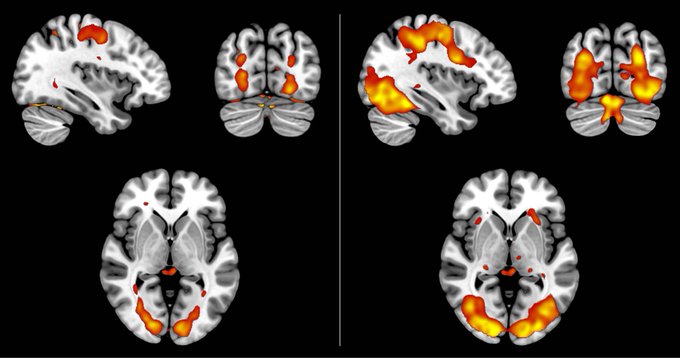
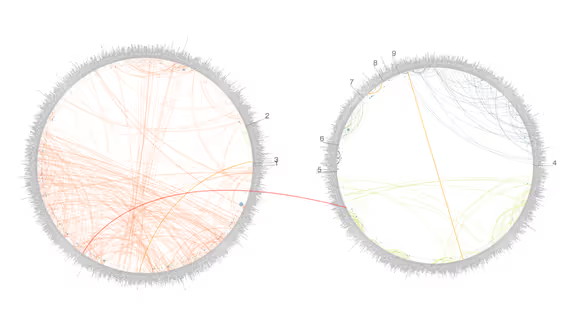
Scans of brain function show that imagined and perceived images trigger similar patterns of activity, but the signals are weaker for the imagined ones (at left).
The implications are kind of wild when you think about it.
Your brain is basically a prediction machine. It builds models of reality and runs simulations constantly. When you vividly imagine something, you're running a simulation. And that simulation creates real neural changes.
This is why visualization can actually work. Not because the universe is listening to your thoughts. Because your brain is literally practicing.
Dr. Guang Yue, an exercise psychologist at the Cleveland Clinic Foundation, did another study that blew my mind when I read about it.
He had people imagine flexing their bicep as hard as they could. Just imagine it. No actual movement. They did this for fifteen minutes a day, five days a week, for twelve weeks.
At the end, the mental-only group had increased their bicep strength by 13.5%.
Not as much as the group that actually lifted weights. But they got stronger just by thinking about it.
The brain sent signals to the muscles even though no movement occurred. Those signals created real physiological changes.
## The problem with outcome visualization

Okay so if visualization creates real neural changes, why didn't my imagining-success sessions work?
This is where it gets interesting.
Gabriele Oettingen is a psychologist at NYU who's spent her career studying motivation and goal pursuit. And her research basically destroyed the positive visualization narrative.
She found that people who vividly imagine positive outcomes, like achieving their goals or getting what they want, actually show decreased motivation and worse performance afterward.
In one study, she had people who wanted to lose weight visualize themselves thin and healthy. The ones who spent more time in positive fantasy lost fewer pounds over the following year.
In another study, students who visualized getting good grades studied less and got worse grades.
She put it this way: "Positive fantasies allow people to mentally enjoy the desired future in the here and now. The trouble is that this depletes energy rather than mobilizes it."
That's exactly what happened to me. I was mentally enjoying the success without doing anything to create it. My brain was getting the reward signal without the work.
The self-help industry has this completely backwards. "See yourself winning" sounds good but it's actually counterproductive.
## What actually works
So if visualizing outcomes hurts you, what helps?
Process visualization.
Not imagining the trophy. Imagining the training. Not imagining the success. Imagining the work that leads to success.
This is what elite performers actually do. And it's completely different from what most people think of as visualization.
When researchers study Olympic athletes, they find that the best visualizers don't spend much time on outcomes. They spend time on process. The specific movements. The exact sequence. The feeling in their muscles. The environment they'll be in.
A sprinter doesn't visualize standing on the podium. They visualize the feel of the blocks under their feet. The sound of the gun. The first three steps. The drive phase. The lean at the finish.
That kind of visualization is basically free practice. You're running the neural circuits you'll need when it's real.
## The Michael Phelps story
This is probably the most famous example of visualization done right.
Michael Phelps is the most decorated Olympian of all time. 28 medals, 23 of them gold. His coach, Bob Bowman, had him doing visualization from age 14.
But not the kind most people imagine.
Bowman had Phelps mentally rehearse every race in complete detail. Not just winning. Everything. The dive. Each stroke. The turns. The finish. He called it "watching the videotape."
Phelps would lie in bed at night and play the perfect race in his head. Then play it again. Then again.
But here's the part that matters. Bowman also had him visualize things going wrong.
What if your goggles leak? Visualize it. What if someone else gets a faster start? Visualize it. What if your suit rips? Visualize it.
Phelps rehearsed disaster scenarios so many times that nothing could surprise him. He'd already experienced every possible problem in his mind.
Then, at the 2008 Beijing Olympics, it happened for real.
During the 200-meter butterfly final, Phelps dove in and his goggles started filling with water. By the third turn, he couldn't see anything. Completely blind.
Most swimmers would panic. This is the Olympic final. Everything you've worked for.
Phelps didn't panic. He'd already swum this race blind in his mind hundreds of times. He knew exactly how many strokes he needed to reach the wall. He'd counted them in his visualizations.
He won gold. Set a world record.
Afterward, he said it was basically the same as practice. Not because it was easy. Because he'd already lived it.
That's visualization done right. Imagining the process. Including the worst-case scenarios.
## The military application
The military figured this out too.
Navy SEALs use what they call "mental rehearsal" before operations. They don't just plan on paper. They mentally walk through the mission. Every step. Every transition. Every potential problem.
They visualize the door breach. The room clearing. The contingencies if things go sideways.
A former SEAL named Mark Divine talks about this. He says: "We would spend hours running through scenarios in our minds. When you've mentally rehearsed something a hundred times, you've essentially already done it. The real thing becomes confirmation, not discovery."
That's the key insight. You want the real moment to feel like confirmation of something you've already experienced, not a discovery of something new.
The stress response is different when you've been there before. Even if "there" was only in your mind.
## The surgery research
Surgeons do this too. And there's good research on it.
One study looked at surgeons learning a new laparoscopic procedure. Half practiced only physically. Half added mental rehearsal.
The mental rehearsal group performed significantly better. Fewer errors. Faster completion times. Smoother movements.
The lead researcher put it this way: "Mental practice allows the surgeon to pre-experience the procedure. When they perform it for real, they've already navigated the difficult parts in their mind."
Same principle as Phelps. Same principle as the SEALs.
You're not hoping for success. You're pre-experiencing the process so thoroughly that the real thing is just execution.
## Why process beats outcome
Let me try to explain why this distinction matters so much.
When you visualize outcomes, you're imagining a state. A static picture. You with the thing you want.
When you visualize process, you're imagining actions. Dynamic, sequential, specific.
Your brain handles these differently.
Outcome visualization activates reward centers. You get a little dopamine hit. It feels good. But it doesn't prepare you for anything. It's just a pleasant fantasy.
Process visualization activates motor planning regions. The same areas that would be involved in actually doing the thing. You're essentially practicing.
One gives you premature satisfaction. The other gives you preparation.
Oettingen developed a technique called WOOP based on her research. It stands for Wish, Outcome, Obstacle, Plan.
You identify what you want. You imagine the best outcome briefly. Then you identify the main obstacle. Then you visualize yourself overcoming that obstacle.
The key is the obstacle. By visualizing what's in the way and how you'll handle it, you're doing process visualization. You're preparing for reality, not escaping into fantasy.
Her studies show WOOP significantly outperforms traditional positive visualization.
## How to actually do this
Let me try to make this practical because I know I've been pretty heavy on research.
Here's roughly what I do now, which is very different from what I used to do.
First, I get specific. Not "imagine your business succeeding." That's too vague. Instead: imagine writing tomorrow's content. The specific task. The specific challenge. How it will feel when you hit resistance. What you'll do when you want to quit.
Second, I include difficulty. If I'm visualizing something going perfectly, I'm probably doing it wrong. I try to imagine the hard parts. The moments where I'll want to give up. The obstacles that will arise.
Third, I engage senses. The research shows that more vivid, multi-sensory visualization creates stronger neural activation. So I try to include what I'll see, hear, feel physically. Not just a mental picture but a mental experience.
Fourth, I keep it short. This doesn't need to be a twenty-minute meditation. A few minutes of focused, specific visualization is plenty. Sometimes I do it right before a task. Just quickly run through it mentally, then start.
Fifth, I focus on actions, not outcomes. What will I do? Not what will I get.
## The anxiety application
There's another way this is useful that I didn't expect.
A lot of anxiety comes from uncertainty. You're worried about something because you don't know how it will go. Your brain is running simulations but they're chaotic and scary.
Deliberate visualization can calm this down.
Before a hard conversation, I'll visualize it specifically. What will I say? What might they say? How will I respond? What's the worst that could happen? How would I handle that?
By the time the real conversation happens, I've already had it a dozen times in my mind. The anxiety drops because the uncertainty is gone.
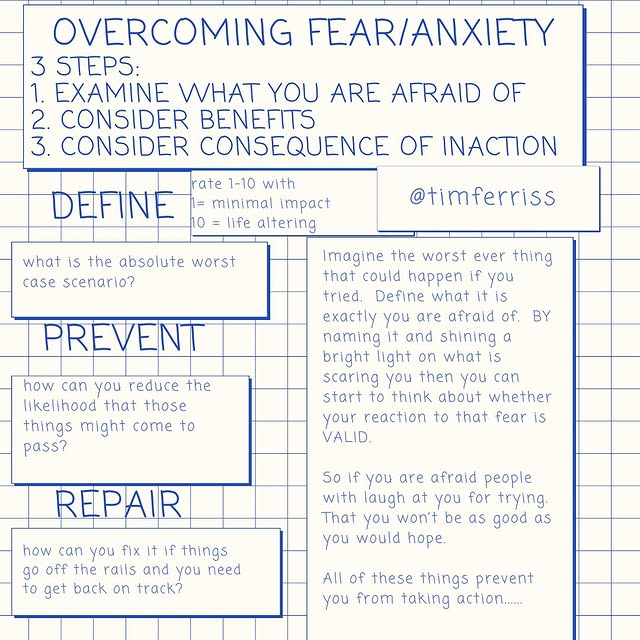
I do an exercise called “fear-setting” at least once a quarter, often once a month. It is the most powerful exercise I do. - @tferriss
Tim Ferriss calls this "fear setting" rather than goal setting. He systematically imagines the worst case scenario in detail. What would go wrong? How would he recover? What would it actually look like?
He said: "I can trace all of my biggest wins and biggest disasters averted back to doing fear-setting at least once a quarter."
That's the same principle. You're not avoiding negative thoughts. You're deliberately engaging with them so thoroughly that they lose their power.
## What I got wrong
Looking back, I know exactly why my early visualization practice didn't work.
I was doing everything the research says not to do.
I was vague. "Success" instead of specific outcomes.
I was outcome-focused. Imagining having things instead of doing things.
I was avoiding difficulty. Only imagining the good parts.
I was passive. Sitting there hoping instead of actively rehearsing.
Basically, I was daydreaming and calling it visualization.
The real practice is more active. More specific. More focused on process. More willing to engage with difficulty.
It's not as pleasant. You don't get that nice dopamine hit from imagining success. Instead, you're doing mental work. It's tiring in a way that daydreaming isn't.
But it actually changes things.
## The constraint
I should mention one thing the research is clear about.
Mental practice works best as a supplement to physical practice, not a replacement.
Pascual-Leone's piano study showed this. The mental-only group improved, but the physical practice group improved more. The best results came from combining both.
Same with the strength studies. Mental training alone increased strength 13.5%. Physical training increased it more. Both together was best.
So this isn't a shortcut to skip the work. It's a way to get more out of the work you're doing.
The elite athletes who visualize the most are also the ones who train the most. They're not visualizing instead of practicing. They're visualizing in addition to practicing.
For me, this means visualization is part of the preparation, not a replacement for it. I still have to do the thing. I'm just giving myself extra mental reps alongside the real reps.
## The deeper thing
I've been thinking about why this works at a deeper level.
Your brain doesn't really care about the difference between real and imagined experience. It's building models either way. Running simulations either way.
When you vividly imagine something, you're feeding data into that model. You're telling your brain "this is a thing that happens" and it adjusts accordingly.
This means you can, to some extent, choose what experiences to feed your brain. You can give it experiences that prepare you for what you want to do.
Phelps gave his brain the experience of swimming blind before he ever swam blind for real. When it happened, his brain had a model for it. It knew what to do.
That's kind of powerful when you think about it. You're not just hoping for better performance. You're literally building the neural architecture that enables better performance.
## 相关链接
- [Masculine Ego reposted](https://x.com/MasculineEgo_)
- [Jaynit](https://x.com/jaynitx)
- [@jaynitx](https://x.com/jaynitx)
- [28K](https://x.com/jaynitx/status/2045486658938888598/analytics)
- [@tferriss](https://x.com/@tferriss)
- [Upgrade to Premium](https://x.com/i/premium_sign_up)
- [8:56 PM · Apr 18, 2026](https://x.com/jaynitx/status/2045486658938888598)
- [28.4K Views](https://x.com/jaynitx/status/2045486658938888598/analytics)
---
*导出时间: 2026/4/18 23:36:15*
---
## 中文翻译
# 可视化的神经科学:为什么它有效(但并非如你所想)
**作者**: Jaynit
**日期**: 2026-04-18T12:56:37.000Z
**来源**: [https://x.com/jaynitx/status/2045486658938888598](https://x.com/jaynitx/status/2045486658938888598)

我尝试做可视化练习有一阵子了,但什么效果也没有。
那大概是一年前的事。我读过所有那些关于成功人士如何可视化自己目标的资料。想象结果。看着自己获胜。在成功发生之前感受成功的情绪。
所以我坐在那里,闭上眼睛,试图想象我的事业腾飞。客户纷至沓来。账户里有钱。全都在脑海里。
感觉很好。有点像做白日梦。但没有任何改变。
我实际上觉得这让情况变得更糟了。我会花二十分钟想象成功,然后反而更没动力去干实际的工作了。就好像我已经以某种方式得到了奖励一样。
原来这是有原因的。这与我做错了或者不够相信没关系。
大多数人教授可视化的方式是反的。自助版本、显化那一套、愿景板。大多数都不起作用。有些甚至会对你造成伤害。
但还有另一个版本。那是精英运动员使用的版本。那是外科医生在进行复杂手术前使用的版本。那是军队用来训练高风险场景的版本。
那个版本是有效的。神经科学完美地解释了其中的原因。
## 你的大脑里实际发生了什么
所以这件事改变了我的看法。
你的大脑无法完全区分生动的想象体验和真实体验。
我不是指某种玄乎的形而上学意义。我是指神经学层面。当你做某事时激活的神经通路,当你用足够的细节想象做这件事时也会被激活。
这方面有广泛的研究。哈佛大学的神经科学家阿尔瓦罗·帕斯库尔-莱昂(Alvaro Pascual-Leone)对钢琴演奏者做了一个著名的实验。

他找了从未弹过钢琴的人并将他们分组。一组在五天内进行简单的五指练习。另一组只是想象练习同样的练习,同样的时间,不触碰钢琴。
事后扫描他们的大脑时,两组人的运动皮层都显示出几乎相同的变化。负责手指运动的大脑区域在两组中都扩大了。纯意念练习组没有那么多,但很接近。
那些从未真正触碰过钢琴的人,通过想象弹奏,在物理上改变了他们的大脑。
这并不神秘。这就是大脑的运作方式。
## 为什么这很重要

脑功能扫描显示,想象和感知到的图像触发了相似的活动模式,但想象产生的信号较弱(左侧)。
仔细想想,这其中的含义有点狂野。
你的大脑基本上是一台预测机器。它建立现实模型并不断运行模拟。当你生动地想象某事时,你是在运行一个模拟。而这个模拟创造了真实的神经变化。
这就是为什么可视化实际上可以起作用。不是因为宇宙在倾听你的想法。而是因为你的大脑确实在练习。
克利夫兰诊所基金会(Cleveland Clinic Foundation)的运动心理学家 Guang Yue 博士做了另一项研究,读到它时让我大吃一惊。
他让人们想象尽可能用力地弯曲二头肌。只是想象。没有实际动作。他们每天这样做十五分钟,每周五天,持续十二周。
最后,纯意念组的二头肌力量增加了 13.5%。
虽然没有真正举重的那组增加得多。但他们仅仅通过思考就变强了。
即使没有发生运动,大脑还是向肌肉发送了信号。这些信号创造了真实的生理变化。
## 结果可视化的问题

好吧,如果可视化能创造真实的神经变化,为什么我想象成功的练习不起作用?
这里就有意思了。
加布里埃尔·厄廷根(Gabriele Oettingen)是纽约大学(NYU)的一名心理学家,她毕生都在研究动机和目标追求。她的研究基本上摧毁了正向可视化的叙事。
她发现,那些生动想象积极结果的人,比如实现目标或得到想要的东西,实际上表现出动机下降和随后的表现更差。
在一项研究中,她让想要减肥的人想象自己变得苗条和健康。那些花更多时间沉浸在积极幻想中的人,在接下来的一年里减掉的体重更少。
在另一项研究中,想象获得好成绩的学生学习时间更少,成绩也更差。
她是这样说的:“积极的幻想允许人们在当下就在心理上享受渴望的未来。问题在于,这消耗了能量而不是调动能量。”
这正是发生在我身上的事。我在心理上享受着成功,却没做任何事去创造它。我的大脑在没有工作的情况下得到了奖励信号。
自助行业把这完全搞反了。“看着自己获胜”听起来不错,但实际上是适得其反。
## 什么真正有效
那么,如果想象结果会伤害你,什么会有帮助呢?
过程可视化。
不是想象奖杯。而是想象训练。不是想象成功。而是想象通向成功的工作。
这才是精英表现者真正做的事情。这与大多数人认为的可视化完全不同。
当研究人员研究奥林匹克运动员时,他们发现最擅长可视化的人不会在结果上花太多时间。他们把时间花在过程上。具体的动作。精确的顺序。肌肉的感觉。他们所处的环境。
短跑运动员不会想象站在领奖台上。他们想象脚下的起跑器的触感。枪声。前三步。加速阶段。终点时的压线。
这种可视化基本上就是免费的练习。你在运行当事情发生时你需要的神经回路。
## 迈克尔·菲尔普斯的故事
这可能是可视化做得最正确的最著名例子。
迈克尔·菲尔普斯是历史上获得奖牌最多的奥林匹克运动员。28枚奖牌,其中23枚是金牌。他的教练鲍勃·鲍曼从菲尔普斯14岁起就让他做可视化。
但不是大多数人想象的那种。
鲍曼让菲尔普斯在脑海中详细预演每一场比赛。不仅仅是赢。所有的一切。跳水。每一次划水。转身。到边。他称之为“观看录像带”。
菲尔普斯会躺在床上,在脑子里播放完美的比赛。然后再播放一次。再一次。
但重要的部分在这里。鲍曼还让他想象出问题的情况。

如果你的护目镜漏水了怎么办?想象它。如果别人的起跑更快怎么办?想象它。如果你的泳衣破了怎么办?想象它。
菲尔普斯排练了无数次灾难场景,以至于没有什么能让他感到惊讶。他已经在脑海中经历了一切可能的问题。
然后,在2008年北京奥运会上,真的发生了。
在200米蝶泳决赛中,菲尔普斯跳入水中,护目镜开始进水。到第三个转身时,他什么也看不见。完全看不见。
大多数游泳者会惊慌。这可是奥运决赛。这是你努力争取的一切。
菲尔普斯没有惊慌。他已经在脑海中无数次游过这种看不见的比赛。他确切地知道自己需要划多少次水才能到达池壁。他在可视化中数过。
他赢得了金牌。打破了世界纪录。
事后,他说这基本上和练习一样。不是因为它容易。而是因为他已经经历过一次了。
这才是正确的可视化。想象过程。包括最坏的情况。
## 军事应用
军队也发现了这一点。
海豹突击队在行动前使用所谓的“心理预演”。他们不只是在纸上做计划。他们在脑海中走过任务。每一步。每一个转换。每一个潜在的问题。
他们想象破门。清理房间。如果出事的应急预案。
一位名叫马克·迪万(Mark Divine)的前海豹突击队员谈到了这一点。他说:“我们会花几个小时在脑子里演练场景。当你在心理上演练了一百次某件事时,你基本上已经做过了。真实的事情变成了确认,而不是发现。”

这就是关键的洞察。你希望真实的那一刻感觉像是你已经经历过的事情的确认,而不是发现什么新东西。
当你去过那里(即使“那里”只是在你的脑海里)时,应激反应是不同的。
## 手术研究
外科医生也这样做。而且有很好的相关研究。
一项研究观察了学习新腹腔镜手术的外科医生。一半只做物理练习。另一半增加了心理预演。
心理预演组的表现明显更好。更少的错误。更快的完成时间。更流畅的动作。
首席研究员是这样说的:“心理练习允许外科医生预先体验手术。当他们真正进行手术时,他们已经在脑海中导航了困难的部分。”
与菲尔普斯的原则相同。与海豹突击队的原则相同。
你不是在希望成功。你是在如此彻底地预先体验过程,以至于真实发生的事情只是执行。
## 为什么过程胜过结果

让我试着解释为什么这种区别如此重要。
当你可视化结果时,你是在想象一种状态。一张静态的图片。得到了你想要东西的你。
当你可视化过程时,你是在想象动作。动态的、连续的、具体的。
你的大脑处理它们的方式是不同的。
结果可视化激活了奖赏中心。你会得到一点多巴胺刺激。感觉很好。但它没有为你准备任何东西。它只是一个愉快的幻想。
过程可视化激活了运动规划区域。真正做这件事时会涉及到的相同区域。你实际上是在练习。
一个给你过早的满足。另一个给你准备。
厄廷根基于她的研究开发了一种叫做 WOOP 的技术。它代表 Wish(愿望)、Outcome(结果)、Obstacle(障碍)、Plan(计划)。
你确定你想要什么。你简要想象最好的结果。然后你确定主要的障碍。然后你想象自己克服那个障碍。
关键是障碍。通过想象障碍是什么以及你将如何处理它,你就是在做过程可视化。你在为现实做准备,而不是逃避到幻想中。
她的研究表明,WOOP 显著优于传统的积极可视化。
## 如何实际操作
让我试着把这个变得实用,因为我知道我讲了太多研究。
这大概就是我现在所做的,与我以前做的非常不同。
第一,我变得具体。不是“想象你的生意成功”。那太模糊了。而是:想象写明天的内容。具体的任务。具体的挑战。当你遇到阻力时感觉如何。当你想要放弃时你会做什么。
第二,我包含困难。如果我正在想象某事进展顺利,我可能做错了。我试图想象困难的部分。我想放弃的时刻。会出现的障碍。
第三,我调动感官。研究表明,更生动、多感官的可视化能创造更强的神经激活。所以我试着包括我会看到什么,听到什么,身体感觉到什么。不仅仅是心理图像,而是心理体验。
第四,我保持简短。这不需要是二十分钟的冥想。几分钟专注的、具体的可视化就足够了。有时我在任务前做。只是快速在脑子里过一遍,然后开始。
第五,我专注于行动,而不是结果。我会做什么?而不是我会得到什么。
## 焦虑的应用
还有另一种我没想到的用途。
很多焦虑来自不确定性。你担心某事是因为你不知道它会怎么进行。你的大脑在运行模拟,但它们是混乱和可怕的。
有意的可视化可以平息这种情况。
在艰难的对话之前,我会具体地想象它。我会说什么?他们可能会说什么?我会如何回应?可能发生的最坏情况是什么?我会如何处理?
当真正的对话发生时,我已经在脑子里进行过十几次了。焦虑下降了,因为不确定性消失了。

我每个季度至少做一次,通常每月一次“恐惧设定”练习。这是我做过的最有力的练习。 - @tferriss
蒂姆·费里斯(Tim Ferriss)称之为“恐惧设定”而不是目标设定。他系统地详细想象最坏的情况。会出什么错?他会如何恢复?那实际上会是什么样子?
他说:“我可以追溯我最大的胜利和避免的最大灾难,都归功于每季度至少做一次恐惧设定。”
这是同样的原则。你不是在避免消极的想法。你是在如此彻底地刻意参与其中,以至于它们失去了力量。
## 我哪里做错了
回顾过去,我确切地知道为什么我早期的可视化练习不起作用。
我做了研究说不要做的一切。
我很模糊。“成功”而不是具体的结果。
我关注结果。想象拥有东西而不是做事情。
我在回避困难。只想象好的部分。
我是被动的。坐在那里希望,而不是积极地预演。
基本上,我在做白日梦并称之为可视化。
真正的练习是更主动的。更具体的。更关注过程的。更愿意应对困难的。
它并不那么令人愉快。你不会从想象成功中得到那种美好的多巴胺冲击。相反,你在做心理工作。这是一种白日梦所没有的累人。
但它确实改变了事情。
## 限制
我应该提到一件事,研究很清楚。
心理练习作为物理练习的补充效果最好,而不是替代。
帕斯库尔-莱昂的钢琴研究证明了这一点。纯意念组进步了,但物理练习组进步更多。最好的结果来自结合两者。
力量研究也是如此。仅心理训练增加了13.5%的力量。物理训练增加得更多。两者结合是最好的。
所以这不是跳过工作的捷径。这是一种让你从正在做的工作中获得更多收益的方法。
可视化最多的精英运动员也是训练最多的。他们不是在用可视化代替练习。他们是在练习之外进行可视化。
对我来说,这意味着可视化是准备的一部分,而不是替代品。我仍然必须做这件事。我只是在真实的重复之外给自己额外的心理重复。
## 更深层次的东西
我一直在思考为什么这在更深层次上有效。
你的大脑并不真正关心真实和想象体验之间的区别。无论哪种方式它都在建立模型。无论哪种方式它都在运行模拟。
当你生动地想象某事时,你就是在向那个模型输入数据。你在告诉你的大脑“这是发生的事情”,它会相应地调整。
这意味着,在某种程度上,你可以选择给大脑输入什么体验。你可以给它提供为你想做的事情做准备的体验。
菲尔普斯在他真正盲目游泳之前,给了他的大脑盲目游泳的体验。当它发生时,他的大脑有一个模型。它知道该做什么。
仔细想想,这有点强大。你不只是希望更好的表现。你实际上是在建立更好表现的神经架构。
## 相关链接
- [Masculine Ego reposted](https://x.com/MasculineEgo_)
- [Jaynit](https://x.com/jaynitx)
- [@jaynitx](https://x.com/jaynitx)
- [28K](https://x.com/jaynitx/status/2045486658938888598/analytics)
- [@tferriss](https://x.com/@tferriss)
- [Upgrade to Premium](https://x.com/i/premium_sign_up)
- [8:56 PM · Apr 18, 2026](https://x.com/jaynitx/status/2045486658938888598)
- [28.4K Views](https://x.com/jaynitx/status/2045486658938888598/analytics)
---
*导出时间: 2026/4/18 23:36:15*