Games People Play for Product Managers ✍ George from prodmgmt.world🕐 2026-07-23📦 12.5 KB 🟢 已读 𝕏 文章列表 本文将Eric Berne的交互分析心理学理论应用于产品管理,识别了会议中常见的“心理游戏”,如“为什么不,是的但是”和“法庭”,并提供了基于成人自我状态的理性应对策略,以打破无效循环,提高决策效率。 产品管理沟通技巧心理学交互分析职场游戏会议管理冲突解决自我状态决策效率团队协作 # Games People Play for Product Managers **作者**: George from prodmgmt.world **日期**: 2026-07-22T17:00:13.000Z **来源**: [https://x.com/nurijanian/status/2079974810244010431](https://x.com/nurijanian/status/2079974810244010431) ---  Roadmap reviews often get stuck. A product manager presents a plan. Someone points out a risk, receives an answer, and then says, "Yes, but that will push the delivery into the third quarter." Next, someone else might say, "Yes, but the engineering team will object." Following that, another person could state, "Yes, but the finance department has already rejected it." Eventually, the discussion stops, no decisions are made, and the product manager feels unsuccessful. In 1964, Eric Berne identified this pattern and called it "Why Don't You, Yes But." Berne used the term "game" to describe a predictable sequence of actions with an underlying benefit. Identifying the pattern can help prevent it. 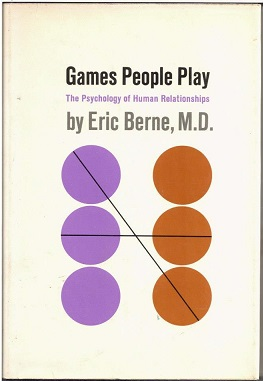 The book Games People Play describes a psychological method called Transactional Analysis, developed by Eric Berne. Although many of its examples relate to personal relationships or therapy, the underlying dynamics can be seen in product management meetings. These dynamics include recurring objections, blame-shifting, complaints, and attempts to catch others in error. The following is a summary of this model, outlining common patterns in product work and specific actions that can address each pattern. Berne's starting claim is that at any moment you speak from one of three ego states. - Parent: you respond the way an authority figure once did, in two modes, controlling ("do as I say") and nurturing ("let me take care of that"). - Adult: you process data, weigh probability, and appraise the situation on its merits. This is the state that reads the spec, estimates the risk, and asks for the number that is missing. - Child: you react the way you did when you were small, again in two modes, adapted (compliant, sulking, rebelling against authority) and natural (spontaneous, creative). A transaction is one stimulus and one response, and it comes in three kinds. - Complementary: the reply comes from the state you aimed at, so the exchange can continue. Adult asks a data question, Adult answers. - Crossed: the reply comes from an unexpected state, so communication stops. You ask "where are we on the API work?" and hear "you are always singling me out." The topic is dead until someone realigns. - Ulterior: two messages travel at once, a surface one and a hidden one, and this is the raw material of every game. The words sound Adult to Adult while the real message runs Parent to Child underneath. A game, as defined by Berne, is a sequence of transactions that leads to a predictable outcome. It appears to be a straightforward request, which Berne terms an operation, until the point of the switch, when the person initiating the interaction changes the context and receives their actual reward. In the described process, the objector is not seeking a solution. The reward is the eventual silence that demonstrates no one could offer assistance, which prevents them from having to make a commitment. People engage in these interactions because games have benefits. Berne identifies these benefits as: reducing tension, allowing avoidance of something feared such as making a real decision or admitting one is unable to proceed, gaining attention (which he calls a stroke), and most importantly, reinforcing a fixed belief about the world, such as "I am not at fault" or "people are untrustworthy." A game offers a low-cost, low-risk method of feeling acknowledged without the vulnerability of direct communication. The response to a game also has a name: antithesis. This response typically follows a similar pattern each time. It involves rejecting the role the game assigns and responding from a rational perspective (the Adult ego state). When you stop providing the expected response that completes the game's sequence, the game cannot continue. The initiator often attempts to intensify the game first, and if you maintain your stance, Berne states they will experience a short period of confused frustration, which he calls despair. This reaction indicates that a game was in progress. Each entry below will describe the apparent situation in the workplace, the underlying reward, and the rational counter-move. Why Don't You, Yes But (the objection loop). Someone brings a problem to the review and rejects every solution with "yes, but." The payoff is proving no solution exists, which excuses them from acting and quietly shows the advisers were no smarter than they were. Counter-move: stop advising, and hand the data processing back. "That is a hard tradeoff. Which option are you leaning toward, and what would make it work?" If they open with "X did not work out," acknowledge it flatly ("that is a tough result") and wait. No advice, no hook, no game. Courtroom (airing grievances to a judge). Two people are discussing a past decision in front of you or a lead. Each person describes what the other person did. They are waiting for a judgment about who was correct. The goal for them is to feel reassured. The person bringing up the issue wants to be told they were right, not to solve a problem. A way to respond is to refuse to act as a judge. A way to counter this behavior is to prevent a third person from being involved. Have each person speak using "I" and address the other person as "you." They should not say things like "let me tell you what they did." This kind of complaint session cannot continue without an audience to perform for. Now I've Got You, You Son of a Bitch (the gotcha). Someone has been waiting for you to slip, a missed date or a wrong number in the deck, and uses the small, defensible error to unload months of stored grievance. The payoff is justification for anger they already carried; the error is a pretext. Counter-move: correct behavior, stated up front. Set the contract explicitly ("here is what I will deliver, and when") and hold to it, which denies the pretext. If you do slip, concede fast and plainly instead of defending, because the defense is the fuel. See What You Made Me Do (blame deflection). A teammate defers a call to you, or gets interrupted mid-task, it goes wrong, and the failure is now yours. Over time people learn to stop bringing them decisions or feedback. The payoff is avoided responsibility plus a clean excuse to be left alone. Counter-move: put the decision back where it lives. When someone defers a choice they own, make them own it: "It is your call. What do you want to do?" Blemish (nitpick to reject). A reviewer cannot get comfortable with a doc, a candidate, or a proposal until they have found one flaw, then uses the flaw to dismiss the whole thing. The payoff is relief; finding fault wards off their own doubt and skips the harder work of judging the thing on balance. Counter-move: force the standard into the open. "Is that a blocker or a nit? What specifically has to be true for this to pass?" Named criteria cancel the roaming license. I'm Only Trying to Help You (the unhelpful helper). Someone gives advice that does not work, and when it fails they collect the martyrdom rather than change the advice. The payoff is feeling adequate and generous while the other person stays stuck; if you are grateful they win, and if you fail they were "only trying to help." Counter-move: keep it a procedure. Turn help into a concrete, checkable agreement with an owner and a definition of done, so help cannot float as a favor that manufactures guilt. Look How Hard I've Tried (pseudo-compliance). Someone loudly complies with a plan they intend to let fail, building a visible record of effort so the eventual failure lands on the plan, not on them. The payoff is blamelessness; they wanted out, and now they can point at how hard they tried. Counter-move: measure the outcome, not the effort. Define what "done" produces in observable terms, so visible trying cannot stand in for a result. Wooden Leg (the standing excuse). The move is "what do you expect from someone with my constraint?" The constraint can be real, or a role, or "the way things work here," and it becomes a permanent exemption from expectations. The payoff is escape from responsibility, sometimes plus the satisfaction of proving nothing anyone tries can help. Counter-move: separate the real limit from the exemption. Acknowledge the genuine constraint, then hold the part that is not constrained: "given that, what is the piece we can still move this week?" Harried (overload to breakdown). A PM accepts all requests and agrees to all scope changes. They then ask for more, leading to a situation where nothing is delivered and people are disappointed. This outcome results in a significant failure that is then used to explain why nothing was shipped and to bring in others to help. Instead, the PM should refuse new requests early on. They should require that priorities are set before taking on too much work. This approach makes the trade-offs clear while there is still time to make a decision. Schlemiel (mess then apology). Someone repeatedly makes messes, broken builds, blown commitments, trampled process, and banks on you accepting the apology each time, so the apology licenses the next mess. The forced forgiveness is the payoff, and the cleanup is incidental. Counter-move: stop auto-forgiving. Withhold the reflexive "no problem," acknowledge the apology, and keep the consequence, because the game needs your forgiveness to run. If It Weren't For You (blame the constraint). A person or team explains they would be shipping greatness were it not for the blocker, another team, a policy, a boss, while quietly relying on that blocker so they never have to test themselves. The payoff is a safe excuse; the constraint protects them from the scarier thing, which is finding out what happens when they try. Counter-move: remove the blocker on paper and watch. "Say that constraint were gone tomorrow. What would you ship?" Berne's antithesis here is permissiveness, and it unmasks whether the constraint was ever the real reason. ## Example Your boss reviewed the proposal and said they are not convinced it is the right approach, finding it too aggressive. They asked why a more moderate approach was not considered. This question can be interpreted as a coaching question directed at a subordinate role. Responding defensively or trying to please would put you in a subordinate role. An adult response would acknowledge the feedback as information and ask for specific criteria. For example, you could say: "Market data indicated the aggressive approach was best. I understand your concern about reaching agreement. What specific part of the premise concerns you most, so I can improve it?" If the pressure to revise continues, maintain a focus on process: "To make the best use of our time, what criteria must the final document meet for you to approve it?" This approach accepts the task of refining the proposal and avoids a parent-child dynamic by requesting concrete, adult-level criteria. Consistently applying this method shifts the conversation to productive work, as the opportunity to correct a subordinate is removed. ## When not to play analyst Berne was blunt that this tool cuts badly when you swing it wrong. - Do not use labels as attacks. The labels describe actions, not people. Saying a colleague is "playing Courtroom" is hostile. Use the labels to understand what is happening, not to accuse someone. - Some people rely on certain behaviors. A person's stability can depend on these behaviors, and removing them can cause harm. The goal of identifying these behaviors is to protect your time and ensure work is done honestly, not to treat people's psychological issues. - Labels describe behavior, they do not identify mental health conditions. A conversation that appears to be a direct, honest exchange between adults can still involve hidden behaviors or be completely genuine. Look for the shift in behavior and the outcome before deciding what is happening. ## 相关链接 - [George from prodmgmt.world](https://x.com/nurijanian) - [@nurijanian](https://x.com/nurijanian) - [2.2K](https://x.com/nurijanian/status/2079974810244010431/analytics) - [Upgrade to Premium](https://x.com/i/premium_sign_up) - [1:00 AM · Jul 23, 2026](https://x.com/nurijanian/status/2079974810244010431) - [2,269 Views](https://x.com/nurijanian/status/2079974810244010431/analytics) --- *导出时间: 2026/7/23 12:46:36* --- ## 中文翻译 # 产品经理玩的游戏 **作者**: George from prodmgmt.world **日期**: 2026-07-22T17:00:13.000Z **来源**: [https://x.com/nurijanian/status/2079974810244010431](https://x.com/nurijanian/status/2079974810244010431) ---  路线图评审往往会陷入僵局。产品经理展示了一个计划。有人指出了一个风险,得到了回答,然后说:“是的,但这会将交付推迟到第三季度。”接着,另一个人可能会说:“是的,但工程团队会反对。”在那之后,又有人可能会说:“是的,但财务部门已经拒绝了。”最终,讨论停滞不前,无法做出决策,产品经理也会感到挫败。 1964年,埃里克·伯恩识别出了这种模式,并将其称为“你为什么不……是的,但是……”。伯恩用“游戏”一词来描述一种具有潜在收益的、可预测的行为序列。识别出这种模式有助于防止它发生。  《人们玩的游戏》这本书描述了一种由埃里克·伯恩发展的心理方法,称为交互分析。尽管书中的许多例子涉及人际关系或治疗,但潜在的动态在产品管理会议中也屡见不鲜。这些动态包括反复出现的异议、推卸责任、抱怨以及试图抓别人的把柄。以下是对该模型的总结,概述了产品工作中常见的模式以及可以应对每种模式的具体行动。 伯恩的基本论断是,在任何时刻,你都从三种自我状态中的一种进行表达。 - 父母:你像一位曾经的权威人物那样回应,分为两种模式,控制型(“按我说的做”)和养育型(“让我来处理那个”)。 - 成人:你处理数据,权衡概率,并依据实际情况评估局面。这是阅读规格说明、评估风险并询问缺失数字时的状态。 - 儿童:你像小时候那样反应,同样分为两种模式,顺从型( compliant、生闷气、反抗权威)和自然型(自发、有创造力)。 交互是一个刺激和一个反应,它分为三种类型。 - 互补式:回复来自你预期的状态,因此交流可以继续。成人提出数据问题,成人回答。 - 交错式:回复来自出乎意料的状态,因此沟通中断。你问“API 工作进展如何?”,却听到“你总是针对我。”话题就此终结,直到有人重新对齐。 - 暧昧式:两条信息同时传递,一条表面的,一条隐藏的,这是每个游戏的原始材料。言语听起来是成人对成人,而真正的信息在底下是从父母流向儿童。 伯恩定义的游戏,是一系列导致可预测结果的交互。它表面上看起来是一个直接的请求,伯恩称之为“操作”,直到发生转折,此时发起互动的人改变了语境并获得他们真正的回报。在描述的过程中,反对者并不是在寻求解决方案。回报是最终的沉默,这证明了没人能提供帮助,从而使他们免于做出承诺。 人们参与这些互动是因为游戏有好处。伯恩将这些好处确定为:减轻紧张感,允许回避某种令人恐惧的事情,如做出真正的决定或承认自己无法继续;获得关注(他称之为安抚);最重要的是,强化对世界的某种固定信念,例如“这不是我的错”或“人是不可信的”。游戏提供了一种低成本、低风险的方式来获得被认可的感觉,而无需承受直接沟通带来的脆弱性。 对游戏的回应也有一个名称:抗衡。这种回应通常每次都遵循类似的模式。它涉及拒绝游戏分配给你的角色,并以理性的角度(成人自我状态)进行回应。当你停止提供完成游戏序列所需的预期反应时,游戏就无法继续。发起者往往会首先试图加剧游戏,如果你坚持立场,伯恩表示他们会经历一段短暂的困惑挫折期,他称之为“绝望”。这种反应表明之前确实在进行一场游戏。 下面的每个条目都将描述工作场所中的表面情况、潜在收益以及理性的反击手段。 你为什么不……是的,但是……(异议循环)。有人带着问题来评审,并用“是的,但是……”拒绝每一个解决方案。收益在于证明不存在解决方案,这为他们不采取行动找到了借口,并暗中表明顾问们并不比他们高明。反击手段:停止建议,把数据处理交还回去。“这是一个艰难的权衡。你倾向于哪个选项,是什么能让它行得通?”如果他们以“X 没有成功”开场,平淡地承认它(“那是个艰难的结果”)然后等待。没有建议,没有诱饵,就没有游戏。 法庭(向法官倾诉委屈)。两个人在你或一位负责人面前讨论过去的决定。每个人都描述对方做了什么。他们在等待关于谁正确的判决。他们的目标是获得安心。提出问题的人想要被告知他们是对的,而不是要解决问题。回应的方法是拒绝充当法官。对抗这种行为的方法是防止第三个人卷入。让每个人用“我”来说话,并直接称呼对方为“你”。他们不应该说“让我告诉你他们做了什么”之类的话。如果没有观众来进行表演,这种抱怨会就无法继续。 现在我抓到你了,你这混蛋(抓包)。有人一直在等你失手,一个错过的日期或文档里一个错误的数字,并利用这个微小的、可辩护的错误倾倒积压数月的不满。收益是为他们原本就怀有的愤怒寻找正当理由;错误只是一个借口。反击手段:纠正行为, upfront 声明。明确设定契约(“这是我将交付的,以及何时交付”)并坚持到底,这否定了借口。如果你真的失手了,快速且坦诚地承认,而不是辩解,因为辩解就是燃料。 看是你让我这么做的(推卸责任)。一位队友把决定推给你,或者在任务中途被打断,事情搞砸了,失败现在成了你的错。久而久之,人们学会不再带给他们决定或反馈。收益是逃避责任,加上一个可以独处的清白借口。反击手段:把决策放回它归属的地方。当某人推迟他们拥有的选择权时,让他们拥有它:“这是你的决定。你想怎么做?” 瑕疵(吹毛求疵以拒绝)。评审者对一个文档、候选人或提案感到不自在,直到他们找到一个缺陷,然后利用这个缺陷来否定整件事。收益是解脱;找毛病能抵御他们自己的怀疑,并跳过更困难的平衡判断工作。反击手段:把标准摊到明面上。“那是阻碍性问题还是小问题?具体需要满足什么条件这才能通过?”命名的标准取消了游荡的许可。 我只是想帮你(无用的帮手)。有人给出无效的建议,当建议失败时,他们收集的是“受难者”的感觉,而不是改变建议。收益是感到足够和慷慨,而另一个人却陷入困境;如果你感激他们就赢了,如果你失败他们也只是“只是想帮忙”。反击手段:将其程序化。把帮助变成具体的、可检查的协议,包含负责人和完成定义,这样帮助就不能作为一种制造内疚的恩惠而四处飘荡。 看我多努力(伪合规)。有人大声遵从他们打算让其失败的计划,建立一份可见的努力记录,以便最终的失败归咎于计划,而不是他们。收益是无可指责;他们想退出,现在他们可以指着他们多努力了。反击手段:衡量结果,而不是努力。用可观察的术语定义“完成”会产生什么,这样可见的努力就不能代替结果。 木腿(常设借口)。这一招是“对于一个有我这种限制的人,你还能指望什么?”这个限制可能是真实的,或者是一个角色,或者是“这里的运作方式”,它成了期望的永久豁免权。收益是逃避责任,有时加上证明任何人的尝试都无济于事的满足感。反击手段:将真正的限制与豁免区分开。承认真正的限制,然后坚守不受限制的部分:“考虑到这点,这周我们还能推进哪一块?” 疲于奔命(超载直至崩溃)。产品经理接受所有请求并同意所有范围变更。然后他们要求更多,导致什么都没交付、人们失望的局面。这个结果导致一个重大的失败,然后被用来解释为什么什么都没发货,并引入其他人来帮忙。相反,产品经理应该尽早拒绝新请求。他们应该在承担太多工作之前要求确定优先级。这种方法在有时间做决定时让权衡变得清晰。 倒霉蛋(把事情搞砸然后道歉)。有人反复制造混乱、构建失败、违背承诺、践踏流程,并指望你每次都接受道歉,所以道歉为下一次混乱颁发了许可证。强行的原谅就是收益,清理工作只是附带后果。反击手段:停止自动原谅。忍住反射性的“没问题”,承认道歉,但保留后果,因为游戏需要你的原谅才能运行。 如果不是因为你(归咎于限制)。一个人或团队解释说,如果不是因为阻碍因素、另一个团队、一项政策或老板,他们本可以交付伟大的成果,同时暗中依赖那个阻碍因素,这样他们就永远不必考验自己。收益是一个安全的借口;限制保护他们免受更可怕的事情,即发现当他们尝试时会发生什么。反击手段:在纸面上移除阻碍并进行观察。“假设那个阻碍明天消失了。你会交付什么?”伯恩这里的抗衡是允许,它揭露了限制是否曾是真正的原因。 ## 示例 你的老板审查了提案,并表示不相信这是正确的方法,认为它太激进了。他们问为什么没有考虑更温和的方法。这个问题可以理解为针对下属角色的指导性问题。防御性回应或试图取悦都会让你处于下属角色。 成人的回应会将反馈视为信息,并询问具体标准。例如,你可以说:“市场数据表明激进的方法是最好的。我理解你对达成一致的担忧。前提的哪一部分最让你担心,以便我改进它?” 如果修改的压力继续存在,保持对流程的关注:“为了最好地利用我们的时间,最终文件必须满足什么标准你才会批准?”这种方法接受了完善提案的任务,并通过要求具体的、成人层面的标准避免了父母-子女动态。始终应用这种方法会将对话转移到富有成效的工作上,因为纠正下属的机会被消除了。 ## 何时不要扮演分析师 伯恩直截了当地指出,如果你挥舞不当,这个工具会造成严重伤害。 - 不要把标签作为攻击手段。标签描述的是行为,不是人。说同事在“玩法庭”是充满敌意的。用标签来理解正在发生的事情,而不是指控某人。 - 有些人依赖某些行为。一个人的稳定性可能取决于这些行为,移除它们可能会造成伤害。识别这些行为的目标是保护你的时间并确保工作诚实完成,而不是治疗人们的心理问题。 - 标签描述的是行为,它们不能识别心理健康状况。一场看起来像是成年人之间直接、诚实交流的对话,仍然可能涉及隐藏行为,或者完全真诚。在决定发生什么之前,先观察行为的转变和结果。 ## 相关链接 - [George from prodmgmt.world](https://x.com/nurijanian) - [@nurijanian](https://x.com/nurijanian) - [2.2K](https://x.com/nurijanian/status/2079974810244010431/analytics) - [Upgrade to Premium](https://x.com/i/premium_sign_up) - [1:00 AM · Jul 23, 2026](https://x.com/nurijanian/status/2079974810244010431) - [2,269 Views](https://x.com/nurijanian/status/2079974810244010431/analytics) --- *导出时间: 2026/7/23 12:46:36*
资 资深开发者为何难以讲清专业价值 本文探讨了资深开发者常面临的沟通困境。作者通过“业务消除不确定性”与“开发管理复杂性”的双循环模型,指出两者目标错位导致了沟通隔阂。文章强调,资深开发者应学会转换视角,用业务能听懂的语言(如“能不能试个更快的办法”)来推销其简化复杂性的专业方案,而非单纯抱怨技术债。最后指出,即便AI时代,承担责任依然是开发者的核心价值。 职场 › 沟通 ✍ 宝玉🕐 2026-05-15 资深开发者团队协作沟通技巧业务思维复杂度管理
T The Beliefs That Determine Whether You Succeed With AI 文章探讨了影响人们成功使用AI的五种常见信念,并通过研究数据和案例分析,揭示了如何通过改变思维模式来克服对AI的抵触情绪,从而更有效地利用AI提升工作效率。 技术 › LLM ✍ Nir Eyal🕐 2026-07-30 AI心理学工作效率信念实验研究
J Jack Dorsey's Buzz: Clearly Explained Buzz 是一款集成了智能体的团队聊天工具,允许用户切换底层模型并保留对话记忆,支持本地共享计算。文章探讨了其 Agents 团队协作、Git 工作流及数据控制优势,适合小团队快速迭代。 技术 › Agent ✍ The Startup Ideas Podcast (SIP)🕐 2026-07-29 BuzzJack DorseySlackAgent本地模型团队协作开源
利 利用麦肯锡问题树解决复杂问题 文章介绍了麦肯锡问题树方法,通过Why(找原因)、What(拆解工作)和How(列路径)三种结构化思维模型来解决产品与业务难题。该方法遵循MECE原则,利用AI辅助检查重复和遗漏,帮助团队理清思路,并提升决策质量。 职场 › 方法论 ✍ George from prodmgmt.world🕐 2026-07-27 问题树麦肯锡方法论思维模型MECE产品管理问题解决AI
如 如何从任何逆境中翻盘(博弈论视角) 文章运用博弈论原理,分析了如何在失败后实现翻盘。核心观点包括:首要目标是存活而非立即回本;落后时应增加变数而非盲目努力;重建速度无法与崩溃速度相提并论。文章强调策略重于模糊哲学,主张通过改变策略而非加大投入来实现逆袭。 读书 › 方法论 ✍ Incentivising🕐 2026-07-27 博弈论策略翻盘方法论决策风险管理逆向思维心理学自我提升策略思维
麦 麦肯锡金字塔原理:让每封邮件无法被忽视的4个提示词 文章介绍了麦肯锡金字塔原理,这是一种由 Barbara Minto 发明的写作方法。通过将结论置于最前,支撑论据居中,数据在后的金字塔结构,可以显著提升沟通效率。文章提供了 4 个针对 Claude 的提示词,帮助用户将这一方法论应用到日常写作中,解决信息被忽略的问题。 职场 › 沟通 ✍ Nav Toor🕐 2026-07-24 金字塔原理写作技巧Claude提示词职场效率沟通技巧SCQA麦肯锡
J JTBD市场画布:快速定位产品 本文介绍了基于“待办任务”的市场画布方法,帮助产品经理利用现有研究重新定义市场。通过识别执行者、核心功能及竞品,避免被传统类别束缚,确保产品定位与客户实际需求一致。该方法也可应用于单一功能,并强调了在AI PM OS中的实际应用。 职场 › 管理 ✍ George from prodmgmt.world🕐 2026-07-24 JTBD产品定位市场分析产品管理AI PM OS
1 12个最强大也最危险的思维模型 本文介绍了12个强大但也可能危险的思维模型,包括行走的力量、佩雷尔的酒店浴室原则、迪士尼法则、自恋剃刀、二阶思考、群体思维等,旨在帮助读者掌握思考工具,更好地应对挑战和决策。 读书 › 方法论 ✍ 世界运作指南🕐 2026-07-23 思维模型决策心理学生活法则思考方法
为 为何大家突然讨厌梅西:一场宣传战解构 文章以梅西形象反转为例,分析了社交媒体如何通过算法推荐、虚假信息传播及付费营销操纵舆论。作者指出,随着AI生成内容的泛滥,这种重塑公众认知的效率将大幅提升,对政治、商业等领域构成严峻挑战。 其他 › 杂谈 ✍ rosie🕐 2026-07-22 梅西舆论社交媒体算法宣传心理学AI
F Forward Deployed Engineer (FDE): Skills and Complete 90 Day Roadmap 文章深入解析了 Forward Deployed Engineer (FDE) 这一职位的本质,指出其本质是传统的解决方案架构与专业服务的结合,但在 AI 时代被重新定义。文章详细阐述了 FDE 所需的沟通、工程及评估技能,并针对不同背景(SA、Pro Serv、SWE)的从业者提供了 60 至 120 天的转型路线图。 职场 › 职业发展 ✍ Priyanka Vergadia🕐 2026-07-21 FDE职业规划AI工程沟通技巧转型路线图技能提升面试简历
怎 怎样写好一篇推特文章:从读者的时间线出发 本文从读者视角出发,提出了撰写高质量推特文章的核心原则。文章强调写作应始于“阅读承诺”,通过降低理解成本、展示论证过程、提供可带走的价值(如清单或框架)来吸引读者。作者还分享了具体的写作结构模板,帮助作者在碎片化的信息流中有效传达观点并促进传播。 职场 › 沟通 ✍ Mr Panda🕐 2026-07-13 写作推特内容创作沟通技巧方法论读者视角社交媒体
A AIGC 博主张咋啦最新演讲:AI Native 时代的六个反常识工作方式 本文总结了 AIGC 博主张咋啦关于 AI Native 工作方式的六个核心观点:1. 停止人工整理知识库,将会议作为 AI Agent 的输入流;2. 将 Agent 视为团队成员以提升组织效率;3. 为上下游同事定制 Skills 以突破协同瓶颈;4. 利用 AI 提升审美和可视化沟通能力;5. 将产品嵌入用户的高频场景中;6. Builder 最核心的素质是主观能动性、品味和分发能力。 技术 › Agent ✍ 小树🕐 2026-07-13 工作流团队协作效率提升张咋啦AI Native知识管理产品设计品味与审美职场思考