# Seedance 2.0 vs Kling 3.0: Which One to ACTUALLY Use for Viral AI UGC
**作者**: Adrian Solarz
**日期**: 2026-05-03T18:28:14.000Z
**来源**: [https://x.com/adriansolarzz/status/2051005931001934243](https://x.com/adriansolarzz/status/2051005931001934243)
---
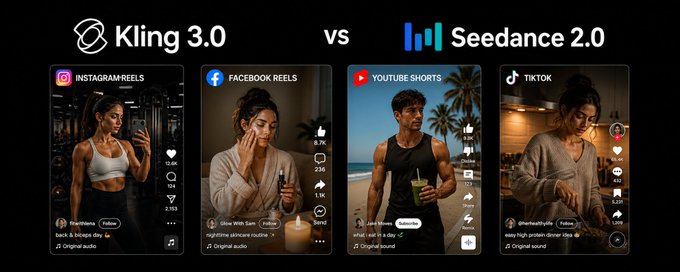
we've used both Seedance 2.0 and Kling 3.0 for a while now across our AI UGC client portfolios.
- different content categories.
- different production cycles.
- different niches.
and with different operators on different days running the same briefs through both models.
the goal was to figure out which one actually deserved the primary production slot in our workflow, because the AI video model conversation has become one of the most asked questions in the AI UGC operator community.
and here's the thing, both models have genuine strengths.
but both also have shortcomings that show up consistently in actual production use rather than just in marketing comparisons. and both require fundamentally different prompting approaches to extract the best output from each, which most operators don't realize until they've burned hundreds of generations testing both.
so let me break down which one is best for you and why:
## The 1 Genuine Advantage Kling 3.0 Has Over Seedance 2.0
let's start with the case for Kling 3.0 because it has 1 specific advantage that operators care about and that's worth honest acknowledgment.
Kling 3.0 is meaningfully cheaper than Seedance 2.0. roughly half the cost per generated second of video at comparable quality settings.
for AI UGC operators producing 30 to 50 reels per day across portfolios of 50 accounts per client, the cost difference compounds significantly. across a month of production volume, the cost difference between Seedance 2.0 and Kling 3.0 can amount to thousands of dollars per portfolio. the unit economics argument for Kling 3.0 is real, and operators making purely cost-driven decisions can produce a defensible case for choosing it as the primary production tool.
this is the strongest argument for Kling 3.0 in the AI UGC use case. and it's worth taking seriously rather than dismissing.
but cost per clip is only 1 dimension of the total production economics, and the other dimensions tell a meaningfully different story.
## Where Seedance 2.0 Wis (And It's Almost Everything Else)

across the dimensions that determine AI UGC performance specifically, Seedance 2.0 produces consistently better output than Kling 3.0 in our production testing.
Output Quality That Passes the Organic Content Test
Seedance 2.0's output passes the "is this AI?" test in the first 2 seconds more reliably than Kling 3.0 does for AI UGC content specifically.
the difference is the aesthetic default each model produces. Kling 3.0 was built with cinematic intent. its training data and default behaviors push output toward polished, director-grade quality. when you write a prompt for Kling 3.0, the model interprets ambiguity in cinematic directions: better lighting, more deliberate framing, smoother motion, more controlled aesthetics.
Seedance 2.0's default aesthetic sits closer to authentic phone-filmed content. when you write a prompt for Seedance 2.0, the model interprets ambiguity in casual directions: handheld framing, natural lighting, organic motion that doesn't quite have the smoothness of professional camera operators, the slight imperfections that real phone footage has.
for AI UGC specifically, the casual default is the feature. the entire format depends on content that signals authenticity through its lack of polish. starting from a model whose default produces cinematic quality and pulling it back toward casual takes meaningfully more prompting effort than starting from a model whose default already produces casual content.
operators new to AI UGC who try to use Kling 3.0 with default prompting habits often produce content that looks too polished, too cinematic, too "produced" to pass the organic content test. the same operators using Seedance 2.0 with the same prompting habits produce content that's closer to format-appropriate output by default.
Skin Texture Rendering
Seedance 2.0 with proper skin texture specification produces skin rendering that genuinely passes for real human skin. Kling 3.0 with the same specification produces skin rendering that's still slightly too smooth, slightly too even, slightly too polished.
both models default to waxy, poreless skin without explicit texture specification. but with the standing skin texture specification we run in every prompt ("realistic skin texture, visible pores around nose and cheeks, natural slight unevenness, no filter quality"), Seedance 2.0's output approaches genuine phone-filmed quality while Kling 3.0's output retains a subtle quality difference that viewers' pattern recognition flags as off.
the difference is small in any single frame. but AI UGC viewers register the cumulative effect across the duration of the reel, and the small quality gap compounds into the categorization shift from "real person" to "AI-generated content" that breaks viewer engagement.
Motion That Doesn't Read as AI
Seedance 2.0's motion characteristics produce output that reads as authentic phone-captured movement more reliably than Kling 3.0's output does for AI UGC specifically.
Kling 3.0's physics-accurate motion is genuinely impressive. for content where realistic action matters (sports, dynamic scenes, complex character interactions), Kling 3.0 produces noticeably better motion than Seedance 2.0.
but AI UGC content rarely needs that kind of action accuracy. what AI UGC needs is the slightly imperfect, slightly casual movement that real phone-filmed content has. Seedance 2.0's motion characteristics produce this aesthetic naturally. Kling 3.0's motion characteristics push toward professional camera operator smoothness, which is exactly the polished aesthetic that signals produced content.
a person sitting on their bed talking to their phone in Seedance 2.0 has the slight movement and casual energy that real phone-filmed content has. the same person in Kling 3.0 sometimes lands as too still, too composed, too deliberately framed.
Audio Output That Doesn't Sound Generated
Seedance 2.0's native audio sync produces vocal output that reads as authentic human speech for the content lengths AI UGC operators typically produce. 15 to 30 second reels fall well within Seedance 2.0's strength zone for native audio.
Kling 3.0's audio output, while more sophisticated on paper with multi-language lip-sync support and Voice Binding for multiple characters, sometimes produces vocal output with subtle quality issues that AI UGC viewers flag faster than they flag visual issues.
specifically, Kling 3.0's vocal performances occasionally have a slightly more produced quality than Seedance 2.0's casual conversational output. for the social media native aesthetic AI UGC requires, the casual conversational quality outperforms the produced quality even when the produced quality is technically more sophisticated.
Workflow Integration With Reference Assets
Seedance 2.0's multimodal input handling for character references, multi-angle reference sets, and product reference shots is mature, well-documented, and produces consistent output across production sessions.
we feed Seedance 2.0 character references generated through GPT Image 2, multi-angle character reference sets that lock visual identity across shots, scene references for environmental consistency, and product reference shots for visual product accuracy. the workflow runs reliably across hundreds of production cycles without significant variance in how the references influence output quality.
Kling 3.0's reference input system through Elements is genuinely powerful but less mature in production use. operators using Kling 3.0 are still figuring out the optimal reference configurations, and the variance in output quality across reference configurations is higher than the equivalent Seedance 2.0 workflow.
for established AI UGC operations with mature production disciplines, the workflow consistency advantage of Seedance 2.0 is meaningful. the time spent re-establishing production knowledge for Kling 3.0 is time not spent producing content.
## The Prompting Principles
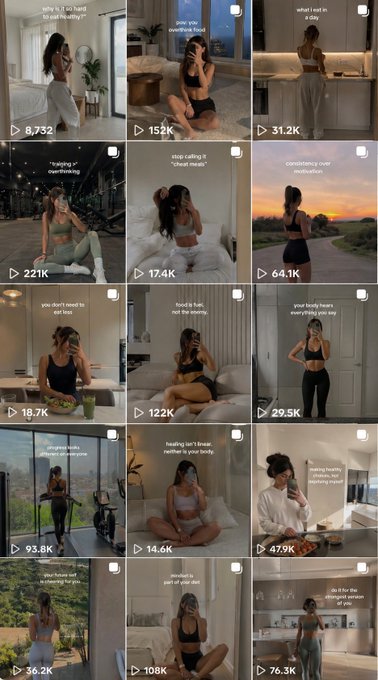
here's the part of the comparison that matters most for operators actually testing both models in production.
a prompt optimized for Seedance 2.0 produces meaningfully different output in Kling 3.0, and vice versa.
operators who test both models using the same prompts and conclude that 1 is better than the other are running a flawed comparison. the prompts themselves need to be optimized for each model's specific characteristics, and the optimal prompting structure differs between the 2 models in ways most operators don't realize.
How Seedance 2.0 Prompting Works
Seedance 2.0 responds to scene direction with embedded technical specifications.
a Seedance 2.0 prompt that produces strong AI UGC output looks like this: "close-up mirror selfie of a woman in her late 20s holding her phone, soft warm bedroom lighting, casual oversized t-shirt, slightly tousled morning hair, authentic phone photo feel, not studio quality, realistic skin texture with visible pores, natural slight unevenness, no filter quality, handheld phone camera feel, casual slightly unsteady framing, organic not studio quality, soft diffused light from window at left."
the prompt structure leads with scene direction, embeds character description naturally, and includes the standing technical specifications throughout. Seedance 2.0 reads this kind of prompt as a unified scene specification and produces output that integrates all the specifications coherently.
How Kling 3.0 Prompting Works Differently
Kling 3.0 responds to more structured, segmented prompting that separates camera direction, character description, scene environment, and motion specifications into distinct prompt components.
a Kling 3.0 prompt that produces strong output is structured more like: "camera: close-up handheld phone selfie. character: woman in her late 20s, casual styling, realistic skin texture. scene: warm-lit bedroom, soft window light from left. motion: subtle natural movement, casual framing. quality: organic phone-camera aesthetic, not studio quality."
the prompt segments each specification into distinct components rather than integrating them into a unified scene description. Kling 3.0 reads this kind of structured prompt more cleanly than the unified description approach Seedance 2.0 prefers.
Why This Difference Matters for Comparison Testing
operators who run a Seedance-style prompt through Kling 3.0 get worse output than the model is actually capable of. operators who run a Kling-style prompt through Seedance 2.0 get worse output than that model is actually capable of.
both models look worse than they actually are when tested with prompts optimized for the other model.
the comparison testing that produces accurate conclusions requires running each model with prompts specifically optimized for that model's characteristics. our testing across both models used model-specific prompting, which is what produced the conclusions in this article.
most operator comparison content circulating in 2026 doesn't account for this prompting difference, which is why the conclusions in that content are often misleading even when the underlying observations are accurate.
## What We Actually Run in Production
after extensive testing across multiple production cycles with both models running their respective optimal prompting structures, our portfolio operations run on Seedance 2.0 as the primary video generation tool for AI UGC content.
the workflow that drives our best-performing reels:
Claude Co-work generates the scripts and analytical intelligence at the strategic layer.
GPT Image 2 produces the character references, multi-angle reference sets, and product reference shots at the visual reference layer, with Topaz upscaling applied to every approved variant before it enters production.
Seedance 2.0 generates the video clips with the standing technical specifications applied to every prompt: skin texture specification, anti-polish language, lighting physics clause, and emotional arc specification for any clip with a human subject.
the production cost per finished reel runs $0.15 to $3 depending on duration and regeneration cycles. the production volume sits at 30 to 50 reels per day per portfolio. the output performance consistently produces the metrics that drive client revenue.
we tested Kling 3.0 as a Seedance 2.0 replacement multiple times and consistently came back to Seedance 2.0 because the output quality difference for AI UGC specifically meaningfully outweighs the cost advantage Kling 3.0 offers.
## When Kling 3.0 Is Actually Worth Running

despite the production analysis above, there are specific scenarios where Kling 3.0 is the right tool over Seedance 2.0 even for AI UGC operators.
clients with extreme cost sensitivity where the unit economics of Seedance 2.0 don't work and the production budget can't support the higher cost per clip. for these scenarios, Kling 3.0 produces output that's good enough to perform reasonably well at significantly lower cost, and the trade-off is worth taking.
testing and prototyping work where the goal is generating large volumes of low-stakes content to test creative directions, hooks, or formats before committing to high-stakes production. Kling 3.0's lower cost makes it the more appropriate tool for high-volume testing where the output quality bar is lower than what production deployment requires.
operators just starting in AI UGC who haven't yet justified the cost of running Seedance 2.0 at scale. starting with Kling 3.0 to establish production fundamentals and migrate to Seedance 2.0 once revenue justifies it is a defensible progression.
but for established AI UGC operations producing high-stakes content for paying clients, use Seedance 2.0.
the output quality advantage of Seedance 2.0 outweighs the cost advantage of Kling 3.0, and the answer is consistently Seedance 2.0 as the primary production tool.
## What This Means for Operators Choosing Right Now

if you're an AI UGC operator deciding which video model to invest in for your primary production workflow, the honest answer is Seedance 2.0 unless you have a specific reason that makes Kling 3.0 the better fit (extreme cost sensitivity, high-volume testing workflows, multi-language production, or just-starting operations where production economics aren't yet established).
this isn't because Kling 3.0 is a bad model. it's because the specific characteristics that make AI UGC perform well (casual aesthetic default, organic motion characteristics, mature reference asset workflow integration, output that defaults to phone-filmed quality rather than cinematic quality) align more closely with Seedance 2.0's strengths than with Kling 3.0's strengths.
Kling 3.0 is the more capable model on certain dimensions (cost, multi-shot generation, native 4K resolution, physics-accurate motion, multi-language audio). those dimensions matter for cinematic content, narrative filmmaking, and commercial advertising at premium production levels.
they don't matter as much for AI UGC, which rewards the specific output characteristics Seedance 2.0 produces by default with proper prompting discipline.
choosing the right tool for the actual job matters more than choosing the cheapest tool or the most technically impressive tool. for AI UGC specifically, Seedance 2.0 is the right tool, and the production economics work out favorably even at the higher per-clip cost because the output quality drives meaningfully better viewer engagement and conversion metrics than Kling 3.0's output does for the same content.
cost matters. but cost per finished result that actually performs matters more than cost per generated clip that doesn't.
P.S. - if you just want us to implement this entire ai ugc structure for your campaigns instead...
DM me "VIRAL" on X (@adriansolarzz) and I'll show you exactly how we'd apply these principles to your specific offer.
- adrian
## 相关链接
- [Adrian Solarz](https://x.com/adriansolarzz)
- [@adriansolarzz](https://x.com/adriansolarzz)
- [6.6K](https://x.com/adriansolarzz/status/2051005931001934243/analytics)
- [@adriansolarzz](https://x.com/@adriansolarzz)
- [2:28 AM · May 4, 2026](https://x.com/adriansolarzz/status/2051005931001934243)
- [6,654 Views](https://x.com/adriansolarzz/status/2051005931001934243/analytics)
---
*导出时间: 2026/5/4 11:15:47*
---
## 中文翻译
# Seedance 2.0 vs Kling 3.0:制作爆款 AI UGC 内容到底该选谁?
**作者**: Adrian Solarz
**日期**: 2026-05-03T18:28:14.000Z
**来源**: [https://x.com/adriansolarzz/status/2051005931001934243](https://x.com/adriansolarzz/status/2051005931001934243)
---

这段时间以来,我们一直在为 AI UGC(用户生成内容)客户的各类项目使用 Seedance 2.0 和 Kling 3.0。
- 涵盖不同的内容类别。
- 跨越不同的制作周期。
- 针对不同的细分领域。
而且,我们安排不同的操作员在不同的日子里,将相同的简报投入这两个模型进行测试。
我们的目标是弄清楚哪一个真正值得占据工作流中的主要生产位置,因为在 AI UGC 操作员社区中,AI 视频模型的话题已成为最受关注的问题之一。
事实是,这两个模型都有各自真实的优势。
但两者也都有缺陷,这些缺陷在实际生产使用中会持续出现,而不仅仅存在于营销对比中。此外,两者需要从根本上不同的提示词方法才能发挥出最佳效果,而大多数操作员在耗费了数百次生成尝试进行测试之前,都意识不到这一点。
那么让我为你详细拆解哪一款最适合你,以及原因:
## Kling 3.0 相较于 Seedance 2.0 的 1 个真正优势

让我们先从支持 Kling 3.0 的理由说起,因为它拥有 1 个操作员们非常关心的特定优势,这一点值得诚实承认。
Kling 3.0 比 Seedance 2.0 便宜得多。在可比的质量设置下,其每生成秒视频的成本大约只有后者的一半。
对于那些每天要为单个客户的 50 个账户制作 30 到 50 条 Reels(短视频)的 AI UGC 操作员来说,这种成本差异会显著叠加。在一个月的生产量级下,Seedance 2.0 和 Kling 3.0 之间的成本差异可能导致每个项目组相差数千美元。关于 Kling 3.0 的单体经济性论据是真实存在的,那些纯粹基于成本做决策的操作员完全可以为选择它作为主要生产工具提供充分的辩护理由。
这是 Kling 3.0 在 AI UGC 用例中最有力的论据。值得认真对待,而不是直接无视。
但是,单条素材的成本只是整体生产经济学的一个维度,而其他维度讲述了一个截然不同的故事。
## Seedance 2.0 胜出的地方(几乎涵盖了其他所有方面)

在具体决定 AI UGC 表现的各个维度上,我们的生产测试表明,Seedance 2.0 的输出始终优于 Kling 3.0。
**通过“有机内容测试”的输出质量**
具体针对 AI UGC 内容,Seedance 2.0 的输出在前 2 秒内通过“这是 AI 吗?”这一测试的可靠性要高于 Kling 3.0。
差异在于每个模型产生的美学默认设置。Kling 3.0 的构建初衷是电影感。其训练数据和默认行为将输出推向精良的、导演级质量。当你为 Kling 3.0 编写提示词时,该模型会从电影感方向解读其中的歧义:更好的光线、更刻意的构图、更流畅的运动、更受控的美学风格。
Seedance 2.0 的默认美学风格更接近真实的手机拍摄内容。当你为 Seedance 2.0 编写提示词时,该模型会从休闲方向解读其中的歧义:手持构图、自然光线、不具备专业摄像师那种流畅度的有机运动、真实手机素材特有的轻微瑕疵。
具体对于 AI UGC 而言,这种“休闲默认”正是核心功能。整个内容格式依赖于通过缺乏精致感来传递真实性的内容。从一个默认产生电影级质量的模型出发,试图将其拉回休闲风格,比从一个默认就已经产生休闲内容的模型出发,需要花费多得多的提示词精力。
那些刚接触 AI UGC 的操作员尝试使用默认的提示词习惯来操作 Kling 3.0 时,往往制作出的内容看起来太精致、太有电影感、太像“精心制作的”,无法通过有机内容测试。而同样的操作员使用同样的提示词习惯操作 Seedance 2.0,就能生成更符合格式要求的默认输出。
**皮肤质感渲染**
配合适当的皮肤质感规格说明,Seedance 2.0 能够生成真正能以假乱真的真人皮肤渲染效果。而 Kling 3.0 使用相同的规格说明,产生的皮肤渲染效果依然略显光滑、略显均匀、略显精良。
如果没有明确的质感规格说明,两个模型默认都会生成像蜡一样、没有毛孔的皮肤。但是,通过我们在每个提示词中运行的标准皮肤质感规格说明(“真实的皮肤质感,鼻子和脸颊周围可见毛孔,自然的轻微不平整,无滤镜质量”),Seedance 2.0 的输出接近真实的手机拍摄质量,而 Kling 3.0 的输出保留了一种细微的质量差异,会被观众的模式识别标记为“不对劲”。
在任何单帧画面中,这种差异都很小。但是,AI UGC 的观众会记录整条 Reels 播放过程中的累积效应,这种微小的质量差距会叠加成一种从“真人”到“AI 生成内容”的分类转变,从而破坏观众的参与度。
**不像 AI 的运动特性**
具体对于 AI UGC,Seedance 2.0 的运动特性产生的输出,比 Kling 3.0 的输出更可靠地呈现出真实手机捕捉到的运动感。
Kling 3.0 的物理准确运动确实令人印象深刻。对于需要真实动作的内容(体育、动态场景、复杂的角色互动),Kling 3.0 产生的运动明显优于 Seedance 2.0。
但 AI UGC 内容很少需要这种级别的动作准确性。AI UGC 需要的是真实手机素材那种略带瑕疵、略随意的运动感。Seedance 2.0 的运动特性自然地产生了这种美学风格。Kling 3.0 的运动特性则倾向于专业摄像师的平滑感,而这恰恰是标志着“精心制作内容”的精致美学。
在 Seedance 2.0 中,一个人坐在床上对着手机说话,会有真实手机素材特有的那种轻微晃动和随意的能量感。而同一个人在 Kling 3.0 中,有时会显得过于静止、过于镇定、过于刻意构图。
**听起来不像机器生成的音频输出**
Seedance 2.0 的原生音频同步产生的语音输出,在 AI UGC 操作员通常制作的内容长度内,读起来像真实的人类语音。15 到 30 秒的 Reels 完全处于 Seedance 2.0 原生音频的优势范围内。
Kling 3.0 的音频输出虽然理论上更先进,支持多语言唇形同步和针对多角色的声音绑定,但有时产生的语音输出带有微小的质量问题,AI UGC 观众识别这些问题比识别视觉问题还要快。
具体来说,Kling 3.0 的语音表演偶尔会比 Seedance 2.0 的随意对话输出带有更强的“制作感”。对于 AI UGC 所需的社交媒体原生美学,随意的对话质量优于“精心制作的质量”,即使后者在技术上更复杂。
**与参考资产的流程集成**
Seedance 2.0 针对角色参考、多角度参考集和产品参考镜头的多模态输入处理已经成熟,文档完善,并且在生产环节中产生一致的输出。
我们向 Seedance 2.0 投入通过 GPT Image 2 生成的角色参考、锁定镜头间视觉身份的多角度角色参考集、用于环境一致性的场景参考,以及用于产品视觉准确性的产品参考镜头。该流程在数百个生产周期中可靠运行,参考素材对输出质量的影响方式没有显著变化。
Kling 3.0 通过 Elements 的参考输入系统确实强大,但在生产使用中尚不够成熟。使用 Kling 3.0 的操作员仍在摸索最佳的参考配置,而且不同配置下输出质量的差异高于同等的 Seedance 2.0 工作流。
对于拥有成熟生产规范的既有 AI UGC 运营团队,Seedance 2.0 的流程一致性优势意义重大。花在重新建立 Kling 3.0 生产知识上的时间,就是没有用于生产内容的时间。
## 提示词原则

这是对实际在生产中测试这两个模型的的操作员来说,最重要的比较部分。
为 Seedance 2.0 优化的提示词在 Kling 3.0 中会产生显著不同的输出,反之亦然。
那些使用相同提示词测试两个模型并得出其中一个比另一个更好的结论的操作员,进行的是一种有缺陷的对比。提示词本身需要针对每个模型的特定特性进行优化,而最佳的提示词结构在两个模型之间存在差异,大多数操作员并没有意识到这一点。
**Seedance 2.0 的提示词是如何工作的**
Seedance 2.0 对嵌入技术规格的场景指令做出响应。
一个能生成强大 AI UGC 输出的 Seedance 2.0 提示词看起来是这样的:“一位 20 多岁后期女性的特写镜自拍,手持手机,柔和温暖的卧室灯光,休闲的宽松 T 恤,略显凌乱的晨发,真实的手机照片感,非影棚质量,真实皮肤质感,可见毛孔,自然轻微不平整,无滤镜质量,手持手机摄像头感,随意的轻微不稳构图,有机非影棚质量,左侧窗户柔和漫射光。”
这种提示词结构以场景指令领先,自然地嵌入角色描述,并始终包含标准技术规格。Seedance 2.0 将此类提示词视为统一的场景规格,并生成能连贯整合所有规格的输出。
**Kling 3.0 的提示词有何不同**
Kling 3.0 对更结构化、分段式的提示词响应更好,这种方式将镜头指令、角色描述、场景环境和运动规格分离成不同的提示词组件。
一个能生成强大输出的 Kling 3.0 提示词结构更像这样:“镜头:特写手持手机自拍。角色:20 多岁后期女性,休闲风格,真实皮肤质感。场景:暖色卧室,左侧窗户柔和光线。运动:微妙的自然运动,随意构图。质量:有机手机摄像头美学,非影棚质量。”
这种提示词将每个规格分割成不同的组件,而不是将它们整合到统一的场景描述中。Kling 3.0 比起 Seedance 2.0 偏好的统一描述方法,能更清晰地读取这种结构化提示词。
**为什么这种差异对对比测试很重要**
操作员如果在 Kling 3.0 中运行 Seedance 风格的提示词,得到的输出会比该模型实际能达到的更差。如果在 Seedance 2.0 中运行 Kling 风格的提示词,得到的输出也会比该模型实际能达到的更差。
当使用针对另一个模型优化的提示词进行测试时,两个模型看起来都会比它们实际的表现更差。
能产生准确结论的对比测试,需要使用专门针对该模型特性优化的提示词来运行每个模型。我们对这两个模型的测试都使用了特定的模型提示词,这也是本文得出这些结论的原因。
2026 年流传的大多数操作员对比内容都没有考虑到这种提示词差异,这就是为什么即使其基础观察是准确的,那些内容中的结论往往具有误导性。
## 我们实际在生产中运行什么
经过多个生产周期的广泛测试,让两个模型分别运行其最优的提示词结构后,我们的项目运营将 Seedance 2.0 作为 AI UGC 内容的主要视频生成工具。
驱动我们最佳表现 Reels 的工作流如下:
**Claude Co-work** 在战略层生成脚本和分析情报。
**GPT Image 2** 在视觉参考层生成角色参考、多角度参考集和产品参考镜头,每个获批变体在投入生产前都经过 Topaz 放大处理。
**Seedance 2.0** 生成视频片段,每个提示词都应用标准技术规格:皮肤质感规格、反精致化语言、光照物理条款,以及任何包含人物片段的情感弧线规格。
每条成片 Reels 的生产成本根据时长和重生成次数在 0.15 美元到 3 美元之间。每个项目组每天的生产量为 30 到 50 条 Reels。输出表现持续产生推动客户收入的指标。
我们多次测试将 Kling 3.0 作为 Seedance 2.0 的替代品,但始终回归到 Seedance 2.0,因为专门针对 AI UGC 的输出质量差异,明显压倒了 Kling 3.0 提供的成本优势。
## 何时 Kling 3.0 确实值得使用

尽管有上述生产分析,但在特定场景下,即使是对于 AI UGC 操作员,Kling 3.0 也是比 Seedance 2.0 更正确的工具。
**对成本极度敏感的客户**,此时 Seedance 2.0 的单体经济学行不通,生产预算也无法支持更高的单条成本。对于这些场景,Kling 3.0 能以明显更低的成本产生表现尚可的输出,这种权衡是值得的。
**测试和原型制作工作**,其目标是在投入高规格生产之前,生成大量低风险内容来测试创意方向、钩子或格式。Kling 3.0 的低成本使其成为高量级测试的更合适工具,因为此时对输出质量的要求低于生产部署所需的标准。
**刚起步的 AI UGC 操作员**,尚未证明大规模运行 Seedance 2.0 的成本是合理的。从 Kling 3.0 开始建立生产基础,一旦收入证明其合理性后再迁移到 Seedance 2.0,这是一种可辩护的进阶路径。
但对于为付费客户制作高规格内容的既有 AI UGC 运营团队,请使用 Seedance 2.0。
Seedance 2.0 的输出质量优势压倒了 Kling 3.0 的成本优势,答案始终是将 Seedance 2.0 作为主要生产工具。
## 这对当下正在做选择的操作员意味着什么

如果你是一名正在决定投资哪种视频模型作为主要生产工作流的 AI UGC 操作员,诚实的答案是 Seedance 2.0,除非你有特定理由使得 Kling 3.0 更适合(极度成本敏感、高量级测试工作流、多语言生产,或者尚未建立生产经济学的起步阶段)。
这并不是因为 Kling 3.0 是一个糟糕的模型。而是因为使 AI UGC 表现良好的特定特性(休闲美学默认、有机运动特性、成熟的参考资产工作流集成、默认为手机拍摄质量而非电影质量的输出)与 Seedance 2.0 的优势更为一致,而非 Kling 3.0 的优势。
Kling 3.0 在某些维度上是能力更强的模型(成本、多镜头生成、原生 4K 分辨率、物理准确运动、多语言音频)。这些维度对于电影内容、叙事电影制作和高端制作级别的商业广告很重要。
但对于 AI UGC,这些维度没那么重要,因为 AI UGC 更看重 Seedance 2.0 在适当的提示词规范下默认产生的特定输出特征。
选择适合实际工作的工具,比选择最“强”的工具更重要。