# Your company needs a brain, not more connectors
**作者**: conor brennan-burke
**日期**: 2026-04-19T20:09:22.000Z
**来源**: [https://x.com/contextconor/status/2045957951278739520](https://x.com/contextconor/status/2045957951278739520)
---
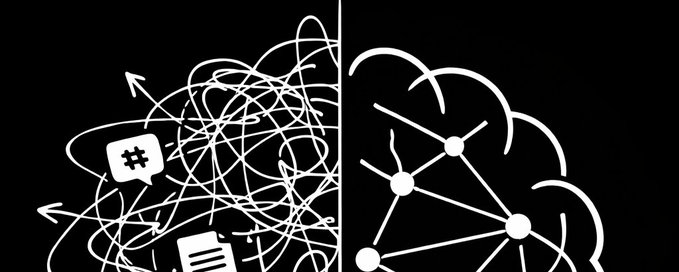
What does it mean for agents to understand a company?
Not search across its tools. Not retrieve its documents. Understand it.
The way a great chief of staff understands the company after six months. They know who actually makes decisions, not just who's on the org chart. They know which Slack channel has the real conversation and which one is performative. They know the CRM says the deal closed in March but the handshake happened in January over a dinner nobody documented. They know what changed last week and why it matters this week.
That understanding comes from synthesis. Watching hundreds of signals across dozens of sources and building a model of reality that's more accurate than any single source.
No agent does this today.
You deploy agents across your company. You connect them to your tools with MCP servers or API integrations. Your agents can search Slack, read Google Drive, query your CRM. You've given them access to everything.
They still don't understand anything.
Ask your agent who owns the relationship with your biggest customer. It searches Gmail, finds a recent thread, gives you a name. Ask it again from a different tool and you get a different name. Ask about your top priorities this quarter and it pulls from whatever strategic document it finds first, even if that document is six months old and three pivots behind.
The failure mode is not that the agent can't find information. The failure mode is that it finds too much, can't tell what's current, can't resolve conflicts between sources, and confidently presents a fragment as the whole truth.
Access means the agent can reach your data. Understanding means the agent knows what that data means in the context of everything else. A new employee with access to your Google Drive, Slack, and CRM has access. After six months of absorbing context, attending meetings, hearing the stories behind decisions, learning which sources matter and which are outdated, they have understanding.
That transition is the entire game. Nobody is building it.
The reason is that the industry framed the problem wrong.
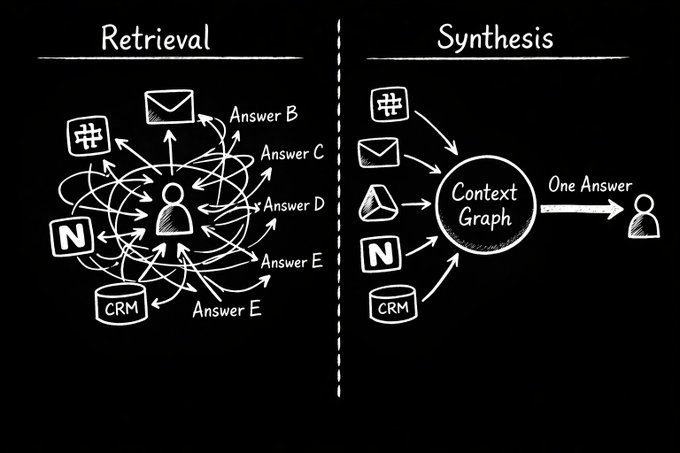
The current framing is about retrieval. How do we get the right information to the agent at the right time? RAG pipelines, vector databases, semantic search, MCP servers. All retrieval infrastructure. All variations on the same idea: when the agent needs something, go find it.
Retrieval is a scavenger hunt. Every time your agent needs context, it searches your tools from scratch. No prior understanding, no accumulated knowledge, no sense of what's changed since the last time it looked. Starting from zero, every single time.
Imagine hiring a new employee every morning, giving them full access to every system, and asking them to make decisions by lunch. They'll find things. They'll be confidently wrong about half of it. You'll spend your afternoon correcting them.
The alternative is synthesized understanding. A company brain. Instead of searching at runtime, you build a persistent model of the company that stays current as sources change. The agent doesn't search. It reads. It already knows.
Retrieval says: find the answer when someone asks the question. Synthesized understanding says: maintain a continuously updated representation of reality so the answer already exists before anyone asks.
The difference sounds subtle. In practice, it changes everything. Retrieval gives you fragments. Synthesis gives you a worldview.
Building that worldview requires solving several problems that the industry has mostly ignored.
Your company's data contradicts itself constantly. Slack says the project deadline is Friday. The Linear board says next Wednesday. The last meeting recording has the PM saying "end of month." A retrieval system returns whichever it finds first. An understanding system resolves the conflict, determines which source is most authoritative, and presents a single answer with its reasoning.
Lisa Chen appears in your data as Lisa.Chen@acme.com in email, @Lisa in Slack, "Lisa Chen" in the CRM, "Lisa from Acme" in a meeting transcript, and "L. Chen" on a calendar invite. To a retrieval system, those are five unrelated text strings. To an understanding system, they're the same person, and everything she's said across every channel gets unified under one identity.
Information decays. The strategy doc from January is outdated. The team page hasn't been updated since the last reorg. The project status in the wiki was accurate two sprints ago. A retrieval system treats a six-month-old document with the same confidence as a message sent ten minutes ago. An understanding system tracks when information was last confirmed and knows what might be stale.
Not all sources are equal. When the CEO's email says one thing and a random Slack thread says another, the email wins. When the signed contract says one thing and the CRM field says another, the contract wins. An understanding system needs a hierarchy of source authority. A retrieval system has no concept of this.
And then there's the hardest problem: combining multiple sources into something none of them say individually. Nobody wrote a document that says "the infrastructure migration is at risk because the lead engineer is out next week, the dependency on the payments team is unresolved, and the original timeline assumed we'd have the new hire onboarded by now." That understanding only exists when you combine the project tracker, the calendar, the hiring pipeline, and last week's standup notes.
These problems are not new. Intelligence analysts and investigative journalists do this work every day. Language models make it possible to do it computationally. Not perfectly, but well enough to be useful and improving fast.
The delivery mechanism matters more than people think.
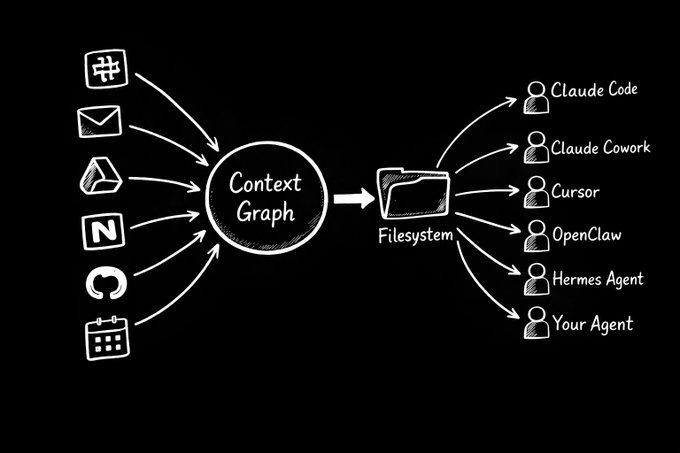
Once you've built a context graph, a synthesized, conflict-resolved, source-tracked representation of a company, how do you get it to agents?
Files.
Every agent already knows how to read files. Claude Code reads from a project directory. Cursor reads from your codebase. OpenClaw reads from its local filesystem. The filesystem is the one interface every agent already supports.
A context graph that surfaces as a filesystem means any agent, from any vendor, using any framework, can read from it without custom integration. Just files on disk, structured and current, that the agent reads when it boots up.
The filesystem is an architectural choice, not just a delivery mechanism. The context layer is decoupled from any specific agent, vendor, or workflow. Your company's understanding of itself lives in one place. Every agent reads from it. When you switch agents, add new tools, or change your stack, the context persists.
But a filesystem full of static snapshots is a diary, not a brain. What makes it a brain is what happens before the files are written. The synthesis layer takes raw, messy, contradictory signal from Slack threads and email chains and meeting transcripts and does the interpretive work that previously only happened inside a person's head. It resolves conflicts, ranks sources, tracks what's current, builds identity across fragmented mentions. That interpretation is the product. The files are just the output.
The ground truth of a company today lives in people's heads. Digital systems are the closest sensor layer we have. When the context graph does the synthesis work that used to require a person with six months of tenure, the map stops being a representation of the company. It becomes the thing that knows.
If understanding your company is the goal, there should be a way to test how well a system does it. There isn't.
We have benchmarks for code generation, mathematical reasoning, long-context recall, tool use, instruction following. No benchmark asks: given a company's real data across its real tools, can this system accurately answer basic questions about the company?
Who's on the engineering team? What are the active projects? Who owns the Acme relationship? What changed in the last week? What's the current status of the infrastructure migration? Which source is correct when Slack and the CRM disagree?
Any competent employee could answer these after a few weeks. No agent can answer them reliably today, because none of them are doing the synthesis work required.
We're building a benchmark to test this. Not a memory benchmark that tests whether a system can recall facts from conversations. A context benchmark that tests whether a system can synthesize fragmented, contradictory, multi-source company data into accurate answers.
Early results are humbling. For everyone, including us. But at least now there's a way to measure progress.
A context graph gets better every day it runs. Day one, it knows a little. Day thirty, it has absorbed thousands of messages, hundreds of documents, dozens of meetings. It has resolved conflicts, built identity maps, tracked what changed and what didn't. The understanding on day thirty is qualitatively different from day one.
Every new data point makes the existing graph more valuable. A new Slack message doesn't just add one fact. It might confirm a project status, update a relationship, reveal a priority shift, and resolve a conflict between two older sources.
You can't fast-forward this. You can't write a check and skip to month six. The understanding has to accumulate.
The cost of waiting is not "we don't have it yet." It's "we're falling further behind every day we don't start." The company that starts building today will have six months of compounded understanding that no amount of money can buy later.
That's the real moat. Not the technology, which can be replicated. The accumulated understanding of your specific company. That's proprietary. That compounds. And it only grows with time.
The industry spent 2025 giving agents access. Connectors, MCP servers, tool integrations. That work was necessary. Access turned out to be the easy part.
2026 is about understanding. Synthesizing what's in those tools into a coherent, current, trustworthy representation of reality. A representation every agent can read from. One that resolves conflicts instead of ignoring them, tracks sources instead of hallucinating them, stays current instead of going stale.
Your company needs a brain.
A continuously updated, source-grounded, conflict-resolved understanding of who you are, what you're doing, and how you work. Delivered as files any agent can read. Compounding every day.
That's what we're building at Hyperspell.
If you want to see what your company's context graph looks like, we can show you in fifteen minutes.
hyperspell.com
## 相关链接
- [conor brennan-burke](https://x.com/contextconor)
- [@contextconor](https://x.com/contextconor)
- [180K](https://x.com/contextconor/status/2045957951278739520/analytics)
- [@Lisa](https://x.com/@Lisa)
- [hyperspell.com](https://hyperspell.com/)
- [Upgrade to Premium](https://x.com/i/premium_sign_up)
- [4:09 AM · Apr 20, 2026](https://x.com/contextconor/status/2045957951278739520)
- [180.7K Views](https://x.com/contextconor/status/2045957951278739520/analytics)
- [View quotes](https://x.com/contextconor/status/2045957951278739520/quotes)
---
*导出时间: 2026/4/20 14:07:04*
---
## 中文翻译
# 你的公司需要一个大脑,而不是更多的连接器
**作者**: conor brennan-burke
**日期**: 2026-04-19T20:09:22.000Z
**来源**: [https://x.com/contextconor/status/2045957951278739520](https://x.com/contextconor/status/2045957951278739520)
---

让智能体理解一家公司,意味着什么?
不是在其工具之间进行搜索。不是检索其文档。而是理解它。
就像一位出色的参谋长在六个月后对公司形成的那种理解。他们知道谁真正做决策,而不仅仅是组织架构图上的人。他们知道哪个 Slack 频道里有真正的对话,哪个只是在做样子。他们知道 CRM 上写着这笔交易三月才成交,但实际上握手早在一月的一次没有人记录的晚宴上就完成了。他们知道上周发生了什么变化,以及为什么这周这很重要。
这种理解来自于综合。观察来自数十个来源的数百个信号,并建立一个比任何单一来源都更准确的现实模型。
如今没有任何智能体能做到这一点。
你在公司里部署了智能体。你用 MCP 服务器或 API 集成把它们连接到你的工具上。你的智能体可以搜索 Slack、读取 Google Drive、查询你的 CRM。你已经给了它们访问一切内容的权限。
但它们仍然什么都不理解。
问你的智能体,谁负责与你们最大客户的关系。它搜索 Gmail,找到最近的一个邮件串,给你一个名字。换个工具再问一次,你得到的是另一个名字。问它本季度的首要任务是什么,它从它最先找到的某份战略文档里提取答案,哪怕那份文档已经过时六个月,落后了三次战略转型。
失败的模式并不是智能体找不到信息。失败的模式是它找到的信息太多,无法分辨哪些是最新的,无法解决来源之间的冲突,并且自信地把一个片段当作全部真相呈现出来。
访问意味着智能体能够触达你的数据。理解意味着智能体知道这些数据在所有其他内容的背景下意味着什么。一个拥有你的 Google Drive、Slack 和 CRM 访问权限的新员工,拥有的是访问权限。经过六个月吸收上下文、参加会议、听取决策背后的故事、了解哪些来源重要哪些已过时之后,他们才拥有了理解。
这个转变就是整场游戏。但没有人正在构建它。
原因在于这个行业对问题的定义就是错的。
目前的框架是关于检索的。我们如何在正确的时间把正确的信息交给智能体?RAG 管道、向量数据库、语义搜索、MCP 服务器。全都是检索基础设施。全都是同一个思路的变体:当智能体需要什么的时候,去找出来。
检索是一场寻宝游戏。每次你的智能体需要上下文时,它都从零开始搜索你的工具。没有先前的理解,没有积累的知识,没有对自上次查看以来发生了什么变化的概念。每一次都从零开始。
想象一下,每天早晨雇一个新员工,给他们所有系统的完整访问权限,然后要求他们在午饭前做出决策。他们会找到东西。他们会对其中一半自信地犯错。你将花费整个下午去纠正他们。
另一种选择是综合理解。一个公司大脑。不是在运行时搜索,而是构建一个持续存在的公司模型,并随着来源的变化保持最新。智能体不去搜索。它去阅读。它已经知道了。
检索说的是:当有人提出问题时,去找到答案。综合理解说的是:持续维护一个不断更新的现实表征,这样在有人提问之前,答案就已经存在了。
这个区别听起来很微妙。但在实践中,它改变一切。检索给你片段。综合给你一个世界观。

构建那个世界观需要解决几个行业大多忽视了的问题。
你公司的数据 constantly 自相矛盾。Slack 说项目截止日期是周五。Linear 看板说下周三。最后一次会议录音里产品经理说“月底”。检索系统返回它最先找到的那一个。理解系统则解决冲突,判断哪个来源最有权威性,并给出一个带有推理过程的统一答案。
Lisa Chen 在你的数据中以多种形式出现:邮件里是 Lisa.Chen@acme.com,Slack 里是 @Lisa,CRM 里是 "Lisa Chen",会议记录里是 "Lisa from Acme",日历邀请里是 "L. Chen"。对检索系统来说,这些是五个互不相关的文本字符串。对理解系统来说,他们是同一个人,她在每个渠道说过的一切都被统一在同一个身份之下。
信息会衰减。一月份的战略文档已经过时了。团队页面自上次重组以来没有更新过。维基里的项目状态是两个冲刺之前准确的信息。检索系统对一份六个月前的文档和十分钟前发送的消息给予同样的置信度。理解系统则追踪信息最后一次被确认的时间,并知道哪些可能已经过时。
并非所有来源都是平等的。当 CEO 的邮件说一件事,而某个随机的 Slack 讨论串说另一件事时,邮件赢。当签署的合同说一件事,而 CRM 字段说另一件事时,合同赢。理解系统需要一个来源权威性的层级体系。检索系统完全没有这个概念。
然后还有最难的问题:把多个来源组合成任何单一来源都没有单独说明的东西。没有人写过一份文档说“基础设施迁移面临风险,因为主导工程师下周休假,对支付团队的依赖尚未解决,而且最初的时间线假定新员工现在应该已经入职了”。这种理解只有在你把项目追踪器、日历、招聘流程和上周的站会笔记组合在一起时才会存在。
这些问题并不新鲜。情报分析师和调查记者每天都在做这样的工作。语言模型让以计算方式完成这些工作成为可能。不算完美,但已经足够有用,而且改进很快。
交付机制比人们想象的更重要。
一旦你构建了一个上下文图谱——一个经过综合、解决冲突、追踪来源的公司表征——你如何把它提供给智能体?
文件。
每个智能体都已经知道如何读取文件。Claude Code 从项目目录读取。Cursor 从你的代码库读取。OpenClaw 从其本地文件系统读取。文件系统是所有智能体都已经支持的那一种接口。
以上下文图谱形式呈现的文件系统意味着任何智能体,无论来自哪个供应商、使用什么框架,都可以读取它,而无需定制集成。就是磁盘上的文件,结构化且保持最新,智能体启动时读取即可。
文件系统是一种架构选择,而不仅仅是一种交付机制。上下文层与任何特定的智能体、供应商或工作流解耦。你公司对自身的理解存储在一个地方。每个智能体都从中读取。当你更换智能体、添加新工具或更改技术栈时,上下文依然存在。
但一个充满静态快照的文件系统只是一本日记,而不是一个大脑。让它成为大脑的是文件写入之前所发生的事情。综合层从 Slack 线程、邮件链和会议记录中获取原始、杂乱、相互矛盾的信号,并进行以前只发生在人脑中的解释工作。它解决冲突、对来源排序、追踪最新信息、在碎片化的提及中构建身份。那种解释才是产品。文件只是输出。

如今,公司的真实情况存在于人们的头脑中。数字系统是我们拥有的最接近的传感器层。当上下文图谱完成了以前需要一个有六个月资历的人才能完成的综合工作时,这张地图就不再是公司的表征。它成为了那个“知道”的东西本身。
如果理解你的公司是目标,就应该有一种方法来测试一个系统在这方面做得有多好。但没有。
我们有代码生成、数学推理、长上下文回忆、工具使用、指令遵循的基准测试。没有任何基准测试会问:给定一个公司在其真实工具中的真实数据,这个系统能否准确回答关于该公司的基本问题?
工程团队有谁?正在进行哪些项目?谁负责 Acme 的客户关系?上周发生了什么变化?基础设施迁移目前的状态如何?当 Slack 和 CRM 意见不一致时,哪个来源是正确的?
任何称职的员工在几周后都能回答这些问题。如今没有任何智能体能够可靠地回答它们,因为没有一个智能体在做所需的核心工作。
我们正在构建一个基准测试来检验这一点。不是测试系统能否从对话中回忆事实的记忆基准测试。而是测试系统能否将碎片化、相互矛盾的多来源公司数据综合为准确答案的上下文基准测试。
早期结果令人谦卑。对所有人都是如此,包括我们。但至少现在有了一种衡量进展的方式。
上下文图谱每运行一天就变得更好。第一天,它知道一点点。第三十天,它已经吸收了数千条消息、数百份文档、数十场会议。它已经解决了冲突、构建了身份图谱、追踪了哪些变了哪些没变。第三十天的理解与第一天有着质的区别。
每一个新的数据点都让现有的图谱更有价值。一条新的 Slack 消息不只是增加一个事实。它可能确认一个项目状态、更新一段关系、揭示优先级的变化,并解决两个较早来源之间的冲突。
你无法快进这个过程。你无法写一张支票就跳到第六个月。理解必须逐渐积累。
等待的代价不是“我们还没有它”,而是“我们不开始,就每天都在进一步落后”。今天开始建设的公司,将拥有六个月的复利式理解,这是日后花多少钱都买不到的。
那才是真正的护城河。不是技术——技术可以被复制。而是对你这家特定公司的积累性理解。那是专有的。那是复利的。而且它只随时间增长。
整个行业在 2025 年致力于让智能体获得访问权限。连接器、MCP 服务器、工具集成。那些工作是必要的。事实证明,访问是容易的部分。
2026 年的关键是理解。把那些工具中的内容综合成一个连贯、最新、可信的现实表征。一个每个智能体都能读取的表征。一个解决冲突而不是忽视冲突、追踪来源而不是凭空捏造来源、保持最新而不是过时的表征。
你的公司需要一个大脑。
一个持续更新、以来源为依据、解决了冲突的关于你是谁、你在做什么、你如何工作的理解。以任何智能体都能读取的文件形式交付。每天复利增长。
这就是我们在 Hyperspell 正在构建的东西。
如果你想看看你公司的上下文图谱是什么样子,我们可以在十五分钟内展示给你。
hyperspell.com
## 相关链接
- [conor brennan-burke](https://x.com/contextconor)
- [@contextconor](https://x.com/contextconor)
- [180K](https://x.com/contextconor/status/2045957951278739520/analytics)
- [@Lisa](https://x.com/@Lisa)
- [hyperspell.com](https://hyperspell.com/)
- [升级到 Premium](https://x.com/i/premium_sign_up)
- [4:09 AM · Apr 20, 2026](https://x.com/contextconor/status/2045957951278739520)
- [180.7K 次浏览](https://x.com/contextconor/status/2045957951278739520/analytics)
- [查看引用](https://x.com/contextconor/status/2045957951278739520/quotes)
---
*导出时间: 2026/4/20 14:07:04*