中国风投生态运作机制 ✍ Bohan🕐 2026-07-29📦 13.4 KB 🟢 已读 𝕏 文章列表 文章分析了中国风险投资生态的独特性,指出尽管中国在开源AI、生物技术和机器人领域具有优势,但其资本市场对创始人更为严苛。文章解释了为何中国初创公司倾向于IPO而非被收购,并详细介绍了人民币基金、美元基金和外资基金这三种资本池的特点与差异。 中国风投IPO资本生态人工智能机器人生物科技 # How China’s Venture Ecosystem Works **作者**: Bohan **日期**: 2026-07-28T16:39:28.000Z **来源**: [https://x.com/loubohan/status/2082143914924851449](https://x.com/loubohan/status/2082143914924851449) --- 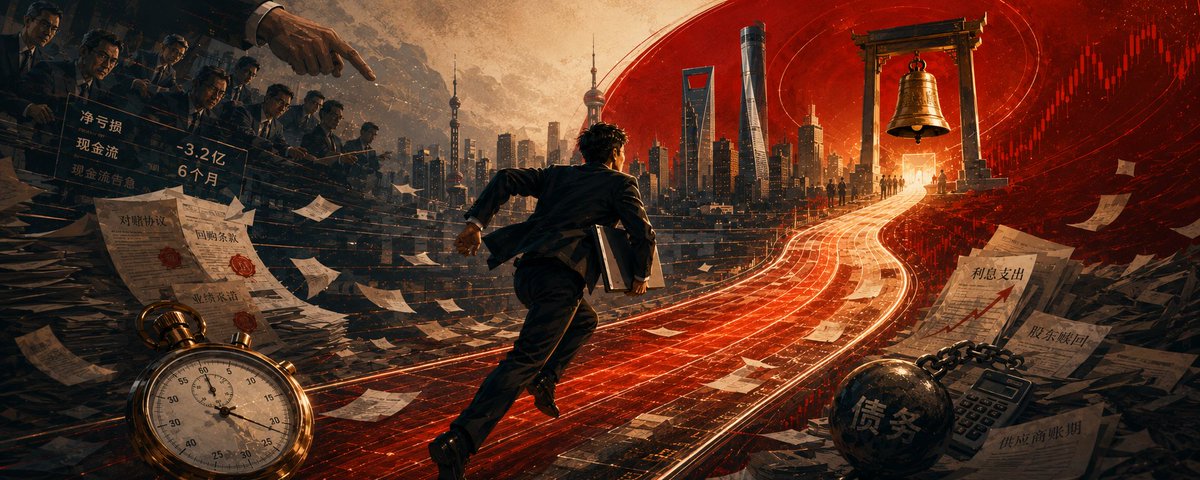 I went to China last month and visited most of the tier 1 investors and the management teams of many major robotics and biotech companies. There is a narrative in Silicon Valley that China is winning in the domains of the future: open source AI, biotech, and robotics. There are formidable arguments for this fear. Open source Chinese models are the most popular models in Silicon Valley startups and as the US government locked down Fable, China ironically took up the mantle of powering the open AI stack of the world. On biotech, the majority of Chinese clinical trials are novel therapies and half of American FDA clinical trials are drugs licensed from China. Finally on robotics, China has structural advantages in both scaled data production and most importantly, warpspeed hardware development and feedback loops. But despite these advantages the Chinese don’t seem to be resting on their laurels and there was a widespread eagerness to hear what Silicon Valley was thinking about and the Valley is still perceived as the center of innovation. A top VC even told me whenever a new Benchmark or Sequoia podcast comes out he assigns it as required viewing of the firm. The Chinese know exactly everything that’s happening in the West. Updates on my X/LinkedIn are translated by one of the top three Chinese tech outlets (新智元,机器之心,量子位)within a few hours and even X comments are translated in screenshots (you might already be famous in China!). This information asymmetry contributes to their learning rate and may help close the gap eventually, but in the meantime, they look up to the Valley. Maybe the grass is always greener. At a high level, the Chinese capital markets are less developed and much harsher on founders, which may breed more competent and ruthless companies that can out-execute globally, but may also create incentives for more froth and fraud due to the amount of pressure and liability founders face. Most of the world's tech hubs are modeled on Silicon Valley, from Seoul to Tel Aviv, but China is an alternative universe in many ways. Understanding how China funds innovation has been a fascinating heuristic into comprehending China's path to here and beyond. ## Go Public or Go Home The first thing that stood out to me when meeting many robotics and AI founders was that they were all planning and sprinting for an IPO next year. None of these companies were at the scale of Unitree or Moonshot (and even they would have had a hard time listing on the NASDAQ) but they all said they were going public. Why? Because they had to. In China, many startups don’t go public because they can and conditions are ripe. They list because they are forced to. One of the most shocking facts for American founders is that many Chinese founders sign term sheets where they must return capital beyond a hurdle rate within a time limit (sometimes 6-8 years) or else the company and even the founder personally could be liable to pay back the money. Chinese LPs and GPs have less patience and they demand results. There’s even a Chinese idiom describing this phenomenon: 明股实债, translatable as “ostensibly equity, in reality debt”. It baffles one to think that there is even any innovation in an ecosystem where a founder has to take on massive personal liability to start a high risk venture. With stakes this high, who has the guts? But these Chinese founders are willing to risk it all, and incentives like this breed some of the leanest and meanest companies in the world with founders who are truly all in. When they can’t make money in China’s ruthless arena, they often expand globally, dominating local competition. They are not Stanford sophomores doing YC for a summer just for funsies. This is all or nothing. Two questions spring from this. ## Why No M&A? Why does it have to be an IPO? Can’t they get acquired and that would return money? Turns out no. In China, there is basically a non-existent M&A market and so startups can only exit through IPO, going all the way. Chinese companies are cheap and so is labor. They can just copy any idea you have faster. They’re also extremely ambitious and horizontally integrated (a smartphone company will make sports cars and SaaS), all contributing to low acquisitiveness. No acquihires handed out there. However, one silver lining for the founders there is that the barrier to IPO is generally lower than NASDAQ or NYSE, not necessarily from a regulator’s perspective, but from the public market’s sentiment towards those companies, meaning whether people are willing to buy into those companies. Many of the public Chinese tech companies of recent years have nearly no revenues or customers, and are sub-scale by current American tech valuations. However they had successful IPOs and of course we are seeing a bull market in the HK exchange now and maybe Zhipu (GLM creator) skyrocketed as one of the only public-listed pure-play LLM companies, but these companies couldn’t go public here in the US. One explanation is that retail constitutes a larger percentage of Asian stock markets, though the Hong Kong exchange (the preferred market) is still more institutional than the mainland A shares. We don’t know how long this bull market will last in Asia and many institutional investors there are already bracing for downturn in some of the most hyped industries, hoping to scoop up shares post-crash. ## The Three Pools of Capital The other question is why would any founders take these terms, and wouldn’t the free market competition between the VCs trend towards founder friendliness just like it did in America with Founders Fund and a16z? This is somewhat happening but China’s VC ecosystem is still younger than America’s and most importantly, there are large incentive differences attached to the different pools of capital that a founder can take. There are generally three pools of institutional VC capital available to Chinese founders: - Local RMB funds. These funds are often backed by provincial or municipal government money and they carry with them the most onerous terms, and oftentimes include requirements to establish offices/factories in their jurisdiction to create jobs and attract talent. Chinese RMB funds often have a mandate beyond just capital returns to also help juice the local economy of their LP locality, creating different incentives than Western returns-focused funds. Oftentimes these expectations are in job creations and talent attraction, which also stabilizes the local real estate market. So why would founders take this pool of money? Well if you want to invest in the sexiest fields like AI, semiconductors, and robotics, those are nationally sensitive industries and sometimes only RMB funds are allowed to invest, just like how the US has CFIUS. Deepseek is only allowed to take Chinese money for example. - Local USD-funds. These are the traditional tier 1 Chinese VCs like Hongshan (Sequoia China), Hillhouse, Zhenfund, Matrix China (barely any relation to Matrix America), IDG, though many of them have split Dollar and Yuan denominated funds. These are generally more founder-friendly than the first pool and some of the backers of many household name Chinese companies over the last 20 years. This is the most sought-after source of funding for Chinese founders, especially for companies wanting to go global. Fun fact: Sequoia China has been the best performing part of Sequoia from their founding until their post-COVID split - Foreign funds. Finally there are the full Western funds like us. Historically, many of them have made a killing in China, like Coatue and Tiger, but now there’s much less direct foreign investment. Benchmark’s Series B in Manus was an anomaly and probably the last, and clearly the consequences of that deal have now chilled foreign investors further. Although you want to be contrarian as an investor and maybe investing in China is the last contrarian thesis there is. I once probed someone at Founders Fund about what’s left that’s contrarian and they agreed that crypto and defense were saturated and China may be the only thesis left but of course they wouldn’t invest in it (or who knows given their China trip this month) ## The FA Layer The existence of FAs (it stands for Financial Advisor but everyone calls them FAs) is also a unique feature of Chinese venture. They are not wealth managers as the name implies, but early stage investment bankers who package, market, and broker deals between startups and VCs. The prevalence of this whole layer of the funding ecosystem baffled me. The VCs have outsourced sourcing and the first layer of diligence to these FAs who are the first point of contact with a founder and many founders prefer to work with FAs to help negotiate against the shrewd VC but conflicts of interest seem obvious given the FA can’t be shoveling adversely-selected companies to a VC or else they’ll lose access. FAs charge 2-5% take rates of the funding round and it’s just a tax in that world. I asked a top investor why they would let this happen because wouldn’t they lose the alpha of proprietary sourcing and seeing deals sooner, but he said that this is just the system and they will do non-FA deals but plenty of the best deals can have an FA quarterbacking the first few rounds, gameplanning out that Hongshan will do the seed, Hillhouse the A, they split the B, and then the company has some momentum to actually hit the ground running. ## A Hidden Social Graph China’s social graph is non-public and non-legible. This is both downstream of China’s relationship-based culture and also heavily reinforces it, affecting how business is done daily. China is a society run on 关系 (Guanxi). LinkedIn never took off in China and neither did any of the local copycats. You only meet people through warm introductions, or at best larger group chats (WeChat has a 500 person limit for group chats versus the measly 32 on iMessage). Imagine a society that has zero cold outreach. No cold emails. Cold LinkedIn messages. No outbound at all. Maybe it helps explain a bit of why China never had B2BSaaS. But this of course shapes how VCs and founders interact. There’s no DM-ing a founder generally. That’s another reason why FAs exist, to provide relationship liquidity. Side note: for a country that has no privacy vis-a-vis the government, the average citizen is quite privacy-conscious and most Chinese are anon online and on Wechat. If you add a person on Wechat, they most likely have some anime/cartoon/landscape profile photo with a pseudonym handle as their name. I’ve even met Chinese people who refuse to reveal their real name only go by their nickname or their less personal English name. ## The State’s Hand Finally there is the role of the state’s directives and goals, which is the centrally-planned industrial policy that is either the envy or bane of the West depending on the Hill and Valley subgroup you ask. There is a much larger role played by the government in the innovation ecosystem, from being a primary LP in many funds, to creating attractive legislation and tax/land credits to lure startups to their jurisdiction, and shaping what VCs invest in because the government cares about a certain sector rising: most notably homegrown semiconductors over the past 10 years. There’s a belief in Chinese investment circles that you should just invest in what the government says must exist, because it will, just like divine will. It is hard to bet against the concerted will of a massive and highly-technical nation working towards a long term goal of national strategic importance. A more whimsical and personal example of this industrial policy is the Brain-Computer Interface (BCI) industry in China. The current Party Secretary of Shanghai Chen Jining (the top guy; the mayor is always second in command in a city) is a Western educated technocrat who got his PhD and post-doc in the UK. He is also a big believer in BCI and directed the funding of many BCI startups like StairMed and Neuracle when he was Mayor of Beijing and brought this fervor with him to Shanghai. I spoke with members of the Shanghai government’s venture arm who have funded many startups in this space explaining that their main goal is building this strategic industry rather than venture returns, kind of like In-Q-Tel in the US. The Chinese may not be as AGI-pilled on average but they really do seem to believe in the sci-fi deeptech utopia more than Americans. Can you imagine the mayor of New York putting public funding into Neuralink? I guess it’s a country where the Three Body Problem is one of the most widely known series and we should expect Chinese Dynamism to operate with a techno-optimist flair. P.S. If you're interested in chatting more about Chinese technology or visiting please reach out ## 相关链接 - [Bohan](https://x.com/loubohan) - [@loubohan](https://x.com/loubohan) - [129K](https://x.com/loubohan/status/2082143914924851449/analytics) - [Upgrade to Premium](https://x.com/i/premium_sign_up) - [12:39 AM · Jul 29, 2026](https://x.com/loubohan/status/2082143914924851449) - [129K Views](https://x.com/loubohan/status/2082143914924851449/analytics) - [View quotes](https://x.com/loubohan/status/2082143914924851449/quotes) --- *导出时间: 2026/7/29 13:26:58* --- ## 中文翻译 # 中国的风投生态系统是如何运作的 **作者**: Bohan **日期**: 2026-07-28T16:39:28.000Z **来源**: [https://x.com/loubohan/status/2082143914924851449](https://x.com/loubohan/status/2082143914924851449) ---  上个月我去了中国,拜访了大多数顶级投资机构以及许多主要机器人和生物技术公司的管理团队。 硅谷有一种说法,认为中国正在赢得未来领域的竞争:开源AI、生物技术和机器人技术。这种恐惧有其强有力的论据。中国开源模型是硅谷初创公司中最受欢迎的模型,而且当美国政府封锁Fable时,中国具有讽刺意味地扛起了为全球开源AI栈提供动力的大旗。在生物技术方面,大多数中国临床试验都是新型疗法,而美国FDA临床试验中有一半是获得中国许可的药物。最后在机器人技术方面,中国在规模化数据生产方面具有结构性优势,最重要的是,在超高速的硬件开发和反馈循环方面具有优势。 但尽管拥有这些优势,中国人似乎并没有躺在功劳簿上,而是普遍渴望了解硅谷的想法,硅谷仍被视为创新中心。一位顶级风险投资人甚至告诉我,每当Benchmark或红杉发布新的播客,他都会指定为公司全员必看。中国人对西方发生的一切了如指掌。我在X/LinkedIn上的更新会在几个小时内被中国三大科技媒体之一(新智元,机器之心,量子位)翻译,甚至连X上的评论也会在截图中被翻译(你在中国可能已经出名了!)。这种信息不对称有助于提高他们的学习速度,并可能最终帮助他们缩小差距,但在此期间,他们依然仰望硅谷。也许这总是“这山望着那山高”。 从宏观来看,中国的资本市场不太发达,对创始人要严酷得多,这可能会培养出更有能力、更无情的公司,从而在全球范围内胜出,但也可能因为创始人面临的压力和责任,催生更多的泡沫和欺诈。世界上大多数科技中心都效仿硅谷,从首尔到特拉维夫,但中国在很多方面是一个平行的宇宙。理解中国如何为创新提供资金,是理解中国走到今天及未来走向的一个有趣启发。 ## 上市或回家 在会见许多机器人和AI创始人时,最先让我印象深刻的一件事是,他们都在计划并为明年的IPO冲刺。这些公司的规模都没有达到宇树科技或月之暗面(即使是他们也很难在纳斯达克上市),但他们都表示要上市。为什么?因为他们不得不上市。 在中国,许多初创公司上市并不是因为条件成熟可以上市。他们上市是因为被迫上市。对美国创始人来说,最令人震惊的事实之一是,许多中国创始人在签署投资条款清单时,同意在时间限制内(有时是6-8年)必须以超过门槛率的回报率返还资本,否则公司甚至创始人个人可能需要承担偿还资金的责任。中国的LP(有限合伙人)和GP(普通合伙人)缺乏耐心,他们要求结果。甚至有一个中国成语描述这种现象:明股实债,可翻译为“名义上是股权,实际上是债务”。在这个生态系统中,创始人必须承担巨大的个人责任来创办一家高风险企业,竟然还能有创新,这让人困惑。在如此高的风险下,谁有这个胆量?但这些中国创始人愿意孤注一掷,这样的激励机制造就了一些世界上最精简、最强悍的公司,创始人们也是真正地全情投入。当他们在中国的残酷竞技场中无法赚钱时,他们通常会向全球扩张,击败当地竞争对手。他们不是为了好玩而去参加YC夏令营的斯坦福大二学生。这是一场全有或全无的博弈。 由此引出了两个问题。 ## 为什么没有并购? 为什么一定要是IPO?难道他们不能被收购从而退回资金吗?结果是不行。在中国,并购市场基本不存在,所以初创公司只能通过IPO退出,一条路走到黑。中国公司很便宜,劳动力也很便宜。他们可以更快地复制你的任何想法。他们的野心也极大,并且进行横向整合(一家智能手机公司会制造跑车和SaaS),所有这些都导致了低收购率。那里没有为了招聘人才而进行的收购(acquihire)。 然而,对于那里的创始人来说,一线希望是,IPO的门槛通常比纳斯达克或纽约证券交易所要低,这不一定是从监管机构的角度来看,而是从公众市场对这些公司的情绪来看,即人们是否愿意购买这些公司的股票。近年来,许多中国上市科技公司几乎没有收入或客户,按目前的美国科技估值来看,规模也不大。然而,它们IPO成功了,当然我们现在看到港交所正处于牛市,也许智谱(GLM的创造者)作为唯一一家上市的纯LLM公司股价飙升,但这些公司无法在美国上市。一种解释是,散户在亚洲股市中占比较大,尽管香港交易所(首选市场)比大陆A股市场更偏向机构投资者。我们不知道亚洲的这波牛市会持续多久,那里的许多机构投资者已经为一些炒作最激烈的行业的下跌做好准备,希望能在崩盘后抄底。 ## 三大资本池 另一个问题是,为什么创始人会接受这些条款,风险投资公司之间的自由市场竞争难道不会像美国的Founders Fund和a16z那样,朝着对创始人友好的方向发展吗?这种情况在一定程度上正在发生,但中国的风投生态系统仍比美国年轻,最重要的是,创始人可以获得的资本池之间存在巨大的激励差异。中国初创公司通常可以获得三类机构风险资本: - 本地人民币基金。这些基金通常由省级或市级政府资金支持,它们带来的条款最为苛刻,通常包括在其管辖范围内建立办公室/工厂以创造就业和吸引人才的要求。中国人民币基金的使命往往不仅仅是为了资本回报,还要帮助提升其LP所在地的本地经济,这创造了与西方专注于回报的基金不同的激励。通常这些期望体现在创造就业和吸引人才上,这也稳定了当地的房地产市场。那么为什么创始人会拿这笔钱呢?如果你想在AI、半导体和机器人技术等最性感的领域投资,这些是国家敏感行业,有时只允许人民币基金投资,就像美国有CFIUS一样。例如,Deepseek只被允许接受中国资金。 - 本地美元基金。这些是传统的中国顶级风投,如红杉中国、高瓴、真格基金、矩阵中国(与矩阵美国几乎没有任何关系)、IDG,尽管它们中许多都已经拆分了美元和人民币基金。它们通常比第一类基金对创始人更友好,也是过去20年许多中国知名公司的支持者。这是中国创始人最渴望的资金来源,特别是对于那些想要走向全球的公司。有趣的事实:从成立到疫情后分拆,红杉中国一直是红杉表现最好的部分。 - 外国基金。最后是像我们这样的全西方基金。历史上,它们中的许多在中国赚得盆满钵满,如Coatue和老虎环球,但现在直接的外国投资少得多。Benchmark对Manus的B轮投资是一个反常现象,也可能是最后一次,显然,这笔交易的后果进一步冷却了外国投资者的热情。虽然作为投资者你想要逆向思维,也许投资中国是仅存的逆向论点。我曾经试探过Founders Fund的一个人,看还有什么逆向投资机会,他们同意加密货币和国防领域已经饱和,中国可能是仅存的论点,但他们当然不会投资(或者谁知道呢,鉴于他们本月的中国之行)。 ## FA层 FA(Financial Advisor,财务顾问,但大家都叫他们FA)的存在也是中国风投的一个独特特征。正如名字暗示的那样,他们不是财富管理者,而是早期的投资银行家,负责打包、营销和撮合初创公司与风投之间的交易。这一整个融资生态层的盛行让我感到困惑。风投已经将项目获取和第一层尽职调查外包给了这些FA,FA是创始人的第一个接触点,而且许多创始人更喜欢与FA合作,以帮助在与精明的风投谈判时对抗,但利益冲突似乎显而易见,因为FA不能把经过逆向筛选的公司推给风投,否则他们将失去机会。FA收取融资额2-5%的佣金,这简直就是那个世界的税收。我问一位顶级投资者,为什么他们会允许这种情况发生,难道他们不会失去独家项目获取和尽早看到交易的alpha(超额收益)吗,但他说这只是系统使然,他们会做非FA的交易,但许多最好的交易可以有FA来主导前几轮,策划好红杉做种子轮,高瓴做A轮,他们平分B轮,然后公司就有了真正的势能来起步奔跑。 ## 隐藏的社交图谱 中国的社交图谱是不公开且难以辨认的。这既是中国关系型文化的下游结果,也极大地强化了这种文化,影响着日常业务的开展。 中国社会是靠关系运行的。领英在中国从未流行起来,本地模仿者也没有。你只能通过熟人介绍认识人,或者最多在大群组里认识(微信的群组人数上限是500人,而iMessage只有微不足道的32人)。 想象一个没有任何陌生拜访的社会。没有陌生邮件。没有领英私信。完全没有主动外联。也许这有助于解释为什么中国从未有过B2B SaaS。但这当然也塑造了风投和创始人之间的互动方式。通常不能直接私信(DM)给创始人。这是FA存在的另一个原因,即提供关系流动性。 顺便提一下:对于一个面对政府没有隐私的国家来说,普通公民相当注重隐私,大多数中国人在网上和微信上都是匿名的。如果你在微信上加了一个人,他们很可能用动漫/卡通/风景图片作为头像,名字是假名。我甚至遇到过拒绝透露真名的中国人,只用昵称或不太私人的英文名。 ## 政府之手 最后是国家指令和目标的作用,即中央计划的产业政策,这取决于你问的是国会山还是硅谷的哪个群体,要么令人羡慕,要么令人头疼。 政府在创新生态系统中扮演着大得多的角色,从作为许多基金的主要LP,到制定有吸引力的立法和税收/土地优惠政策以吸引初创公司到其辖区,再到影响风投的投资方向,因为政府关心某个行业的崛起:最显著的是过去10年对本土半导体的关注。 中国投资圈有一种信念,即你应该只投资政府说必须存在的东西,因为它会存在,就像天意一样。很难押注反对一个庞大且技术精湛的国家为实现国家战略重要性的长期目标而共同努力的意志。这种产业政策一个更异想天开和个人的例子是中国脑机接口(BCI)行业。现任上海市委书记陈吉宁(最高领导;市长在城市的排名中总是第二)是一位受过西方教育的技术官僚,在英国获得了博士学位和博士后。他也是BCI的坚定信徒,在他担任北京市长期间,指导了对StairMed和Neuracle等许多BCI初创公司的资助,并将这种热情带到了上海。我与上海政府风险投资部门的人员交谈过,他们资助了这个领域的许多初创公司,解释说他们的主要目标是建立这一战略产业,而不是风险投资回报,有点像美国的In-Q-Tel。 中国人可能平均来说没有那么“AGI至上”(AGI-pilled),但他们似乎真的比美国人更相信科幻深科技乌托邦。你能想象纽约市长将公共资金投入Neuralink吗?我想这是一个《三体》系列最广为人知的国家,我们应该期待中国活力以技术乐观主义的色彩运作。 P.S. 如果你有兴趣更多地讨论中国技术或访问,请联系我 ## 相关链接 - [Bohan](https://x.com/loubohan) - [@loubohan](https://x.com/loubohan) - [129K](https://x.com/loubohan/status/2082143914924851449/analytics) - [升级到 Premium](https://x.com/i/premium_sign_up) - [12:39 AM · Jul 29, 2026](https://x.com/loubohan/status/2082143914924851449) - [129K 次观看](https://x.com/loubohan/status/2082143914924851449/analytics) - [查看引用](https://x.com/loubohan/status/2082143914924851449/quotes) --- *导出时间: 2026/7/29 13:26:58*
什 什么是具身智能?它跟 AI 的关系是什么? 文章深入解析了具身智能的定义、历史渊源及发展现状。作者区分了具身智能与传统机器人,指出其核心在于感知-行动闭环与物理世界的实时交互。文章回顾了从符号主义、行为主义到深度学习、Transformer时代的技术演进,分析了VLA模型如何继承大模型能力来突破泛化难题,探讨其与AI的本质关系及未来前景。 技术 › LLM ✍ snowboat🕐 2026-06-17 具身智能VLA机器人Transformer人工智能AI技术原理深度学习大模型
未 未来两年物理AI股票alpha抓取深度研究 本文旨在探讨未来两年内“物理 AI”(机器人和自动化技术)领域的投资 Alpha 机会。作者明确指出,最确定的需求不在于“人形机器人”的故事,而在于已经开始产生现金流的物理 AI 基础层,如车载感知、边缘计算和仓储自动化。文章重点分析了 Ambarella、Mobileye、Symbotic、Intuitive Surgical 等公司,认为利润将流向高附加值、高切换成本的环节,并给出了具体的买入排序和交易策略。 投资 › 股票 ✍ 华尔街没有名字🕐 2026-05-22 物理AI机器人股票研究自动驾驶边缘计算人工智能投资策略行业分析美股科技股
A Alignment Unlocks Scaling:Qwen-Robot Suite 的设计原理和背后的思考 文章介绍了Qwen团队推出的Qwen-Robot Suite,包含Qwen-RobotNav、Qwen-RobotManip和Qwen-RobotWorld三项工作。核心思想是通过解决具身智能中异构数据的对齐问题,实现模型的规模化扩展,并在多项基准测试中取得SOTA结果。 技术 › LLM ✍ 青稞社区🕐 2026-07-29 Qwen具身智能机器人大模型VLA对齐世界模型导航操作直播预告
顶 顶尖VC 2026年动向观察:硬基建与深垂直的押注 文章分析了2026年顶尖独立VC机构的投资动向,指出资本正从浅层应用转向硬基建、物理世界和深垂直领域。通过分析赛道年龄、轮次和具体公司(如Atoms、Etched、Cognition等),揭示了AI创业窗口正在收窄,而推理芯片、机器人、企业Agent及特定垂直工作流成为投资热点。 投资 › 风投 ✍ snowboat🕐 2026-07-28 风投AI硬科技机器人Agent芯片垂直行业创业
T Telegram 用了几年还只会用来聊天 文章介绍了10个实用的Telegram Bot,包括邮件收发、多语言翻译、视频下载、群管理、贴纸制作等功能,帮助用户发掘Telegram的隐藏工具,提升使用效率。 技术 › 工具与效率 ✍ Suu🕐 2026-07-27 Telegram机器人效率工具翻译视频下载群管理贴纸
对 对话姚颂:不想 boring,那就继续开心地 suffering 本文专访了正行创新创始人姚颂,回顾了他从清华本科毕业创立深鉴科技,到3亿美元卖掉公司,再到投身商业航天和物理 AI 的十年创业历程。姚颂分享了对技术创业、战略取舍、人生状态以及硬科技发展的深刻思考。 职场 › 职业发展 ✍ 晚点 LatePost🕐 2026-07-24 姚颂创业深鉴科技人工智能职业发展清华商业航天访谈
2 2026年普通人都能上车的AI风口:DeepSeek 创始人梁文锋3小时演讲精华提炼 文章提炼了DeepSeek创始人梁文锋关于AI未来的演讲精华,强调“克制”的重要性。梁文锋指出,想拿得多的人会被想拿得少的人打败。他为AI发展制定了清晰的路径,并建议普通人不要盲目追逐风口,而应注重提升“把话说清楚”和“长期沉淀”的能力,通过行业深耕和AI应用找到属于自己的机会。 技术 › LLM ✍ Gloria🕐 2026-07-24 DeepSeek梁文锋人工智能职业发展创业思维链智能体Coding AgentAI应用克制
C Cosmic Robotics: 自主建造技术在地球与火星的应用 Cosmic Robotics 推出其首款 10,000 磅的自主建造机器人 Cosmic-1,旨在通过提升太阳能农场和数据中心的建造效率,最终实现火星城市的自动化建设。该机器人已在极端环境下投入使用,并显著提高劳动生产力。 技术 › 机器人 ✍ Ankit Gupta🕐 2026-07-24 机器人自动化火星建设太阳能数据中心Cosmic Robotics自主建造AI
P Proprio Robotics:实现自主数据中心 Proprio Robotics 推出新型机器人,能够处理服务器的组装、维护和退役全生命周期,使数据中心实现无人化运营。其创始人来自伯克利和哈佛机器人实验室,已成功在办公室建立并运行小型 AI 数据中心。 技术 › 机器人 ✍ Ankit Gupta🕐 2026-07-23 机器人数据中心自主运维AI服务器自动化Proprio Robotics硬件
M Making a Billion Intelligent Machines 文章介绍了Applied Intuition公司如何通过提供仿真、数据和操作系统工具,从自动驾驶领域的非主流选择发展为物理AI应用平台,并成功拓展到国防、建筑等多个行业。 技术 › Agent ✍ Marc Andreessen🕐 2026-07-22 物理AI自动驾驶仿真技术Applied Intuition操作系统国防工业应用技术平台人工智能转型
I Inside Kimi: 100 Hours of Observation 本文讲述了作者深入 AI 独角兽 Moonshot AI(Kimi 母公司)内部进行 100 小时的观察记录。文章回顾了公司从早期的营销挣扎到面对竞争对手 DeepSeek 突围时的战略调整,展现了这家年轻、高估值且充满内向天才员工的神秘企业文化。 技术 › LLM ✍ Liu Mo🕐 2026-07-22 KimiDeepSeekLLM人物企业文化创业人工智能月之暗面观察报道
F FDE:年薪百万的AI前沿部署工程师详解 文章介绍了科技领域最热门的角色 Forward Deployed Engineer (FDE),其年薪可达15万至100万美元。FDE 负责在企业内部部署 AI,连接业务流程与模型。文章提供了30天行动计划,涵盖流程理解、判断、构建部署及人际应对,强调实战经验的重要性。 职场 › 职业发展 ✍ The Startup Ideas Podcast (SIP)🕐 2026-07-21 AI工程师职业规划部署职场人工智能技术FDE工作流技能