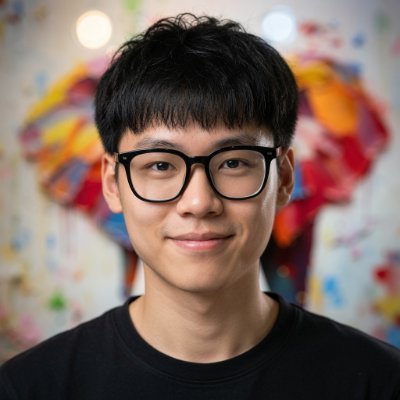
# A Conversation with Yang Zhilin of Kimi: Advancing Toward the Endless, Unknown Snow Mountains
**作者**: 张小珺 Xiaojun Zhang
**日期**: 2026-07-19T05:40:17.000Z
**来源**: [https://x.com/zhang_benita/status/2078716535548600458](https://x.com/zhang_benita/status/2078716535548600458)
---

This was my first interview with Yang Zhilin, conducted in early 2024 and published on March 1, 2024—exactly the first anniversary of Kimi's founding. At the time, Kimi had only 80 people, working out of their first, somewhat run-down office. There was no logo at the entrance. Only a white piano standing guard by the door.
This article generated quite a stir in China's tech community at the time.
Back then, I was still a print journalist, so this interview exists only as text and an audio podcast.
As we can see, many of the views expressed in this article have since been borne out.
Just rereading these words from two years ago, you really can't help but marvel at how dramatically the world has changed!
(This translation was generated by Kimi K3.)
> Yang Zhilin: “If everyone thinks you are normal—if your dream is one that anyone could have—it adds nothing to the sum total of humanity’s dreams.”
By Zhang Xiaojun
Just one year ago, AI scientist Yang Zhilin did a precise calculation in Silicon Valley. He realized that if he decided to launch a foundation-model startup aimed at AGI, he would need to raise more than $100 million within the next few months.
Yet that was merely a ticket to the game. A year later, that figure had multiplied thirteenfold.
For foundation-model companies, competition is less a scientific contest than, first and foremost, a brutal contest of money. With investors holding their purse strings tight, you have to stay ahead of your rivals in raising more money, buying more GPUs, and grabbing more talent.
“It requires a concentration of talent and a concentration of capital,” says Yang Zhilin, founder and CEO of Moonshot AI, the foundation-model company established on March 1, 2023.
Over the past year, Chinese foundation-model companies have seemed to live on a tense, constricted edge of survival. On the surface, each of them holds hefty sums of cash. But on one hand, they must immediately pour freshly raised money into extremely costly research to chase OpenAI—first catching up to GPT-3.5, and before GPT-4 is even reached, along comes Sora. On the other hand, they must race nonstop to find viable real-world use cases, to validate for themselves that they are companies, not research institutes that only devour capital. And that is not enough: for every one of these ventures, whether the exit is an IPO or an acquisition, the way out remains anything but clear.
Among the founders of China’s foundation-model companies, Yang Zhilin is the youngest, born in 1992. The industry describes him as a staunch AGI believer and a founder with rare technical charisma. Much of his academic and professional record is tied to general-purpose AI, and his papers have been cited more than 22,000 times.
In mid-2023, China’s tech community turned abruptly from euphoria to chill on foundation models, and accelerating real-world deployment became the pragmatic mainstream melody. This inevitably left foundation-model CEOs torn violently between ideal and reality. In a Chinese AI ecosystem where everyone chants PMF (product/market fit) and everyone chants commercialization, this founder—an AI researcher by training—is in no particular hurry.
With 80 people, Moonshot AI has the smallest headcount among China’s leading foundation-model companies. Unlike his rivals, Yang did not opt for the safer B2B business or seek deployment in verticals such as healthcare or gaming. He built one—and only one—consumer product: the AI assistant Kimi, which accepts inputs of up to 200,000 Chinese characters. Kimi is also Yang Zhilin’s English name.
Yang prefers to see his company as a system that combines science, engineering, and business. You might picture it this way: above the human world, he is erecting an AI laboratory bench—with one hand he runs experiments, and with the other he brings cutting-edge technology down into the real world, discovering applications through interaction with people and delivering those applications into consumers’ hands. Ideally, the former burns through billions and tens of billions of dollars of capital; the latter earns that money back hundreds or thousands of times over. However you hear it, it sounds as thrilling—and as perilous—as walking a tightrope.
“AI is not about what PMF I can find in the next year or two; it’s about how to change the world over the next ten to twenty years,” he says.
Such abstract, idealistic thinking makes one sweat nervously on his behalf: can a young AI scientist carve out room to survive in a realist China?
In February 2024, Moonshot AI closed a large funding round against the market tide. It is understood that the company raised a Series B of more than $1 billion at a $1.5 billion pre-money valuation, led by Alibaba with follow-on participation from Monolith Management, Xiaohongshu, and others. Upon completion of the deal, Moonshot AI’s post-money valuation stood at roughly $2.5 billion—making it, at this stage, the highest-valued unicorn in China’s foundation-model race. (The company declined to respond to or comment on the matter.)
In the midst of this third funding round, we sat down with Yang Zhilin to talk about his first year of entrepreneurship—a cross-section, in miniature, of a year in which Chinese foundation-model companies raced ahead from the starting line.
His company did not set up in Sohu Network Plaza in Beijing, the hub where foundation-model companies cluster. For a company with total funding of about RMB 9 billion, this office in the Liangzi Xinzuo building looks crude and run-down. There is not even a company logo at the entrance—only a white piano standing guard by the door.
The meeting room sits in a corner; with its small windows it is dark inside, and the heater hums as it blows warm air against the winter cold. In the dim light, Yang describes how the past year has felt to him: “It’s a bit like driving down a road with a range of snow mountains stretching out ahead. You don’t know what’s inside them. You just keep walking forward, one step at a time.”
Below is the full interview with Yang Zhilin. (For readability, the author has made some textual edits.)

This photo was taken in early 2024 at Kimi’s first office in Beijing. They’ve moved out of this location now. No logos lined the entrance — only a white piano stood quietly by the door.
## Part 1
## Standing at the Beginning
## “You Have to Ride the Wave”
Zhang Xiaojun: How have you been lately?
Yang Zhilin: Busy—there’s a lot going on. But I’m still excited. We’re standing at the very beginning of an industry, and there is enormous room for imagination.
Zhang Xiaojun: When I came in just now, I saw a pure white piano at your company’s entrance.
Yang Zhilin: There’s a Pink Floyd album sitting on it, too. I have no idea who put them there—I suddenly noticed them a couple of days ago and haven’t had a chance to ask. (Pink Floyd is the British rock band that released the album The Dark Side of the Moon.)
Zhang Xiaojun: On the day ChatGPT was released in November 2022, what were you doing?
Yang Zhilin: I was already preparing for this—recruiting people, building a team, exchanging new ideas. Seeing ChatGPT was thrilling. Three to five years earlier—even in 2021—it would have been inconceivable. That kind of higher-order reasoning had been very hard to achieve.
I sensed that many variables were about to shift in the market: capital on one side, talent on the other—the core factors of production for AI. If those variables fell into place, it would become possible to build a proper company to do this—an organization built for AGI could go from 0 to 1. That was a major epiphany. An independent company made more sense, but it wasn’t something you could do the moment you wanted to; ChatGPT jolted the variables and brought the factors of production together. You have to ride the wave.
Zhang Xiaojun: After you decided to found an AGI company, what preparations did you make? How did you assemble the two factors of production—capital and talent?
Yang Zhilin: It was a winding process. ChatGPT took time to diffuse. Some people learned of it early, some late; some doubted at first, then were shocked, then became believers. Finding people and finding money were tightly bound to timing.
We began focusing on our first funding round in February 2023. Had we delayed to April, we basically would have had no chance. But doing it in December 2022 or January 2023 wouldn’t have worked either—the pandemic was still on, and people hadn’t processed it yet. So the real window was just one month.
One night in the United States, I did a precise calculation. When I finished, I concluded we needed to raise at least $100 million within a few months. Many in the market hadn’t started fundraising yet, and many didn’t believe you could necessarily raise that much. But it turned out to be possible—even more than that.
The talent market started moving, too. Inspired by ChatGPT, many people had this realization in March or April 2023: this is the only thing worth doing in the next decade. You have to reach out to the right people at the right time. A year or two earlier, talent would not have clustered to this degree. Back then, more people were doing traditional AI or AI-adjacent businesses—none of it was general-purpose AI.
Zhang Xiaojun: To sum up: February was the window for fundraising, and March and April were the window for hiring?
Yang Zhilin: More or less.
Zhang Xiaojun: That night in the U.S.—where were you when you did this math? How exactly did you calculate it?
Yang Zhilin: From late 2022 into early 2023, I spent a month or two in the U.S., talking to people. I did it where I was living. You work out how many FLOPs you need, the training cost, inference, and the user numbers.
Zhang Xiaojun: At that moment, what was the prevailing mood in Silicon Valley?
Yang Zhilin: The product began picking up many early adopters, concentrated in the tech circle. We were in that circle ourselves, so we felt it more keenly. At the big Silicon Valley companies, people have to write performance reviews every six months, and many started writing them with ChatGPT. Some people whose writing was usually not that professional turned in reviews written with ChatGPT, and everyone sounded dead serious.
Undercurrents were stirring. Many people were thinking about their next job or about starting a company. Quite a few friends who talked with us later went off to found startups. And there was intense FOMO—fear of missing out. Nobody could sleep. Whether it was midnight, 1 a.m., or 2 a.m., if you reached out, people were always there. A bit anxious, a bit FOMO, and very excited.
Zhang Xiaojun: The night you calculated you needed to raise $100 million—how late did you stay up?
Yang Zhilin: It was fine—the calculation itself didn’t take long. But afterward, I couldn’t tell too many people. If I had, no one would have believed it could be done.
## Part 2
## Technical Lineage
## “Free Yourself from Endless Carving”
Zhang Xiaojun: When the venture capital world talks about you, they say, “The founder is brilliant, has technical charisma, and the team is full of technical stars.” So before we discuss your foundation-model venture, I’d like to start with your academic background. You studied computer science at Tsinghua as an undergraduate and earned your PhD at Carnegie Mellon’s School of Computer Science. Has AI always been your focus?
Yang Zhilin: I was born in 1992 and started my undergraduate degree in 2011. From my sophomore year to now—more than a decade—I’ve been in this field. At first I explored more divergently, looking around everywhere; I did some work related to graphs and to multimodality. In 2017, I converged on language models. At the time I felt language models were a relatively important problem; later I came to feel it was the only important problem.
Zhang Xiaojun: In 2017, how did the AI industry generally understand language models, and how did that understanding evolve?
Yang Zhilin: Back then it was a model used to rank speech-recognition results. (Laughs.) After a segment of speech was recognized, you’d get many candidate results, and you’d use the language model to see which one had the highest probability and output the most likely one. Its applications were very limited.
But you come to realize it’s a fundamental problem, because you are modeling the probabilities of the world. Language is limited, but it’s a projection of the world; in theory, if you make the token space—the space of all possible tokens—large enough, you can build a general world model. How everything in the world arises and develops can be assigned a probability. Every problem can be reduced to how to estimate probabilities.
Zhang Xiaojun: Your academic mentors are very prominent: your PhD advisors were Ruslan Salakhutdinov, head of AI at Apple, and William W. Cohen, chief scientist of Google AI. Both straddle industry and academia.
Yang Zhilin: In previous years, industry and academia came together more, but the trend is now shifting: more valuable breakthroughs will happen in industry. That’s an inevitable law of development. It starts with exploratory research and gradually shifts into a more mature industrialization process. That doesn’t mean research is unnecessary during industrialization—only that pure research will struggle to produce valuable breakthroughs.
Zhang Xiaojun: What did you learn from these renowned mentors?
Yang Zhilin: I learned the most at Google, where I interned for a long time. I began working on Transformer-based language models in late 2018. My biggest learning was freeing myself from endless “carving”—the obsessive refinement of surface details. That was crucial.
You should look at what the big direction is, the big gradient. When ten roads lie before you, the average person worries about how to brake for a pedestrian ahead on this one road—short-term details. But which of the ten roads to take is what matters most.
This field previously had exactly that problem. For example, on a dataset of only one or two million tokens, you’d look at how to push perplexity lower, how to push loss lower, how to improve accuracy—and you’d fall into endless carving. People invented many bizarre architectures; these were carving tricks. After carving, you might do better on that kind of dataset, but you miss the essence of the problem.
The essence is analyzing what the field is missing. What is the first principle? Why can the scaling law serve as a first principle? You only need to find a structure that satisfies two conditions: first, it is sufficiently general; second, it is scalable. General means you can model all problems within this framework; scalable means that as long as you pour in enough compute, it keeps getting better.
This is the thinking I learned at Google: if something can be explained by something more fundamental, you shouldn’t over-carve at the upper layers. There’s an important line I strongly agree with: if you can solve a problem with scale, don’t solve it with a new algorithm. The greatest value of a new algorithm is in how it lets you scale better. When you free yourself from carving, you can see much more.
Zhang Xiaojun: Was Google also a follower of the scaling law back then? How did it implement first-principles thinking?
Yang Zhilin: Many such ideas already existed there, but Google didn’t implement them especially well. It had this way of thinking, but it couldn’t organize itself into a true moonshot. It was more like: here are five people pursuing my first principles, and over there five people pursuing theirs. There was nothing top-down.
Zhang Xiaojun: During your PhD, you published papers in collaboration with Turing Award winners Yann LeCun and Yoshua Bengio—and you were first author on those papers. How did those collaborations come about? What I mean is: they’re Turing Award laureates and they weren’t your advisors—what did you rely on to attract them?
Yang Zhilin: Academia is very open. As long as you have a good idea and a meaningful problem, it’s fine. What two brains—or n brains—produce is more than one brain alone. This applies when developing AGI, too. An important strategy in AI is called “ensembling”—using multiple different models or methods and combining their predictions for better performance. It’s essentially doing the same thing: when you have diverse viewpoints, you can spark many new things. Collaboration is hugely beneficial.
Zhang Xiaojun: Would you first have an idea and then ask them whether they were interested?
Yang Zhilin: That’s roughly how it went.
Zhang Xiaojun: Which is harder: winning over academic heavyweights in research, or winning over capital heavyweights in fundraising? What are the similarities?
Yang Zhilin: “Winning over” isn’t a good phrase—the essence behind it is cooperation. Cooperation means both sides win, because mutual benefit is the precondition for cooperation. So there’s really no difference: you need to offer others unique value.
Zhang Xiaojun: How do you earn their trust? What do you think your gift is?
Yang Zhilin: There’s no particular gift—just working hard.
## Part 3
## The Old System No Longer Works
## “AGI Needs a New Kind of Organization”
Zhang Xiaojun: You just said “more valuable breakthroughs will happen in industry”—does that include startups and the giants’ AI labs?
Yang Zhilin: Labs are history. Google Brain used to be the biggest AI lab in industry, but it was a research organization embedded inside a big company. That kind of organization can explore new ideas, but it’s very hard for it to produce a great system—it could produce the Transformer, but it couldn’t produce ChatGPT.
The way development now evolves is that you’re building an enormous system, which requires new algorithms, solid engineering, and even a lot of product and commercialization work. It’s like the early 2000s: you couldn’t research information retrieval in a lab; it had to live in the real world, as a huge system, a product with users—like Google. So research and education systems will shift their function toward primarily cultivating talent.
Zhang Xiaojun: How would you describe this new form of system? Is OpenAI its prototype?
Yang Zhilin: It’s the most mature organization of this kind today, and it’s still gradually evolving.
Zhang Xiaojun: So it can be understood as an organization established for humanity’s grand scientific goals?
Yang Zhilin: I want to emphasize: it is not pure science—it’s a combination of science, engineering, and business. It has to be a commercial organization, a company, not a research institute. But this company is built from zero to one, because AGI needs a new kind of organization. First, the mode of production differs from the internet era; second, it shifts from pure research to a combination of research, engineering, product, and business.
At its core, it should be a moonshot program, with a great deal of top-down planning—yet within that planning there is room for innovation, because not all the technology is predetermined. Bottom-up elements exist within a top-down framework. Such an organization didn’t exist before, but the organization must adapt to the technology, because technology determines the mode of production; if they don’t match, you can’t produce effectively. We believe it will very likely need to be redesigned from scratch.
Zhang Xiaojun: During last year’s OpenAI boardroom coup, one option for Sam Altman was to join Microsoft and lead a new Microsoft AI team. What is the essential difference between that and being CEO of OpenAI?
Yang Zhilin: You’d have to grow a new organization inside an old culture—and that is extremely difficult.
Zhang Xiaojun: You want to build “China’s OpenAI”—can we put it that way?
Yang Zhilin: Not quite accurate. We don’t want to be China’s anything, and we don’t necessarily want to be OpenAI.
First, real AGI will definitely be global. There is no such thing—at least not long-term—as an AGI company confined to some regional market because of market-protection mechanisms. Globalization, AGI, and having a product with a very large user base: these three are ultimately necessary conditions.
Second, should it be OpenAI? If you look at 2017–2018, OpenAI had a terrible reputation. When people in our circle looked for jobs, they generally considered places like Google. Many people who talked with Ilya Sutskever, OpenAI’s chief scientist, came away thinking the man was crazy and far too full of himself—OpenAI was either madmen or scammers. But they committed very early, found the non-consensus, and found what is now the only first principle that works in AI: scaling through next-token prediction.
I believe there will be a company greater than OpenAI. A truly great company can combine technological idealism with a great product, co-creating with its users—AGI will ultimately be something produced by co-working with all of its users. So it’s not only about technology; it also requires pragmatism and real-world pursuits—ultimately, a perfect combination of the two.
Still, we should learn from OpenAI’s technological idealism. If everyone thinks you’re normal—if your dream is one that anyone could have—it adds nothing to the sum total of humanity’s dreams.
## Part 4
## The Moonshot’s First Step Is “Long Context”—What’s the Second?
## “Two Big Milestones Are Coming Next”
Zhang Xiaojun: Back to the moment you decided to start the company—did you launch the first funding round immediately after returning to China?
Yang Zhilin: It began in the U.S. in February (last year), some of it remotely. In the end, domestic investors made up the majority.
Zhang Xiaojun: Did the first round raise $100 million?
Yang Zhilin: The first round wasn’t that much; later rounds exceeded that figure. We completed two rounds in 2023, totaling nearly RMB 2 billion.
This is now the third round. We haven’t formally announced the financing, so I can’t comment at this time.
Zhang Xiaojun: Some people say that since the second half of 2023, no one has been willing to invest in foundation-model companies anymore. Are they wrong?
Yang Zhilin: There still are. You can indeed see the shift in sentiment, but it’s not that no one is investing—at least for now, there’s quite a lot of investment interest in the market.
Zhang Xiaojun: Besides capital and people, what other key decisions did you make in 2023?
Yang Zhilin: Deciding what to do. That’s the advantage of companies like ours—having a technical vision for decisions at the highest level.
We do long context. That requires judgment about the future: you need to know what is fundamental and where things are heading next. Again, it’s first principles—the process of “de-carving.” If you focus on carving, you can only look at what OpenAI has already done and figure out how to reproduce it.
You’ll find that doing lossless long-text compression in Kimi gives the product a unique experience. When you read English-language papers, it helps you understand them remarkably well. Using Claude or GPT-4 today, you won’t necessarily do as well; this required laying the groundwork in advance. We worked on it for over half a year. That’s very different from spotting a long-context trend today, hastily assembling two teams, and developing it at maximum speed.
Of course, the marathon has only just begun; more differentiation will come, and that requires you to anticipate in advance what counts as “a non-consensus that holds true.”
Zhang Xiaojun: In what month was this decision made?
Yang Zhilin: February or March—it was decided as soon as the company was founded.
Zhang Xiaojun: Why is long context the first step of the moonshot?
Yang Zhilin: Because it’s fundamental. It is the new computer’s memory.
The old computer’s memory grew by several orders of magnitude over the past few decades, and the same thing will happen with the new computer. It can solve many of today’s problems. For example, current multimodal architectures still need a tokenizer, but with a losslessly compressed long context, you don’t need one—you can put the raw input in directly. Taken further, it’s the foundation for making the new computing paradigm more general.
The old computer could represent everything with 0s and 1s; everything could be digitized. But today’s new computer can’t yet—there isn’t enough context, so it isn’t that general. To become a general world model, you need long context.
Second, it enables personalization. AI’s core value is personalized interaction; the value ultimately lands on personalization, and AGI will be more personalized than the previous generation of recommendation engines.
But personalization isn’t achieved through fine-tuning—it’s achieved by supporting very long context. Your entire history with the machine is context, and that context defines the personalization process. It cannot be replicated, and it makes for more direct dialogue—dialogue that generates information.
Zhang Xiaojun: How much room is there to scale this up?
Yang Zhilin: Enormous. On one hand, expanding the window itself still has a long way to go—several orders of magnitude.
On the other hand, you can’t only expand the window, and you can’t just look at the number; whether the window is a few million tokens or several billion today is meaningless in itself. You have to look at the reasoning ability it enables within that window, the faithfulness—fidelity to the original information—and the instruction-following ability. You shouldn’t chase a single metric; you have to combine metrics with capabilities.
If these two dimensions keep improving, you can do a great deal. It could follow an instruction tens of thousands of words long, and the instruction itself could define many agents—highly personalized.
Zhang Xiaojun: Are the technologies behind long context and catching up with GPT-4 reusable for each other? Are they the same thing?
Yang Zhilin: I don’t think so. It’s more about adding a new dimension—a dimension GPT-4 doesn’t have.
Zhang Xiaojun: Many people say the leading Chinese foundation-model companies are all doing roughly the same thing—chasing GPT-3.5 in 2023, chasing GPT-4 in 2024. Do you agree?
Yang Zhilin: Improving general capabilities certainly has key milestones, so that statement is right to a degree—as a latecomer, you inevitably go through a catching-up process. But it’s also one-sided. Beyond general capabilities, there is a lot of space to develop distinctive capabilities and reach state-of-the-art in certain directions. Long context is one. DALL-E 3’s image generation is thoroughly outclassed by Midjourney V6. So you have to work on both fronts.
Zhang Xiaojun: What proportion of time and resources goes to general capabilities versus new dimensions?
Yang Zhilin: They have to be combined. A new dimension can’t exist apart from general capabilities, so it’s hard to give a direct ratio. But sufficient investment is required to do the new dimension well.
Zhang Xiaojun: Will all these new dimensions be carried by Kimi?
Yang Zhilin: Kimi is certainly a very important product for us, and we’ll have some other attempts as well.
Zhang Xiaojun: What do you make of the comment by Li Guangmi, founder of Shixiang, that the technological distinctiveness of Chinese foundation-model companies is still not very high today?
Yang Zhilin: I think it’s fine—we’ve already produced quite a lot of differentiation today. It’s a matter of time; this year you should see more dimensions. Last year, everyone was just putting up the scaffolding and getting things running first.
Zhang Xiaojun: If the moonshot’s first step is long context, what’s the second?
Yang Zhilin: There will be two big milestones ahead. First, a truly unified world model—one that unifies all the different modalities, a truly scalable and general architecture.
Second, enabling AI to keep evolving without human data input.
Zhang Xiaojun: How long will it take to reach these two milestones?
Yang Zhilin: Two to three years—possibly faster.
Zhang Xiaojun: So three years from now, we’ll already be looking at a world completely different from today’s.
Yang Zhilin: At the current pace of development, yes. The technology is now in a budding, fast-growing stage.
Zhang Xiaojun: Can you imagine what will exist three years from now?
Yang Zhilin: There will be a certain degree of AGI. Many of the things we do today, AI will also be able to do—even better than us. But the key is how we use it.
Zhang Xiaojun: And for you—for Moonshot AI as a company—what’s the second step?
Yang Zhilin: We will go do those two things. All the remaining problems are derived from these two factors. The reasoning and agents people talk about today are byproducts of solving these two problems. Some additional carving is needed, but there’s no fundamental blocker.
Zhang Xiaojun: Will you go all in on catching up with GPT-4?
Yang Zhilin: GPT-4 is a necessary stop on the road to AGI. The key is not to be satisfied with merely matching GPT-4. First, you have to ask what the real non-consensus is now: beyond GPT-4, what’s next? What should GPT-5 and GPT-6 look like? Second, you have to see which distinctive capabilities you have within that—and that matters more.
Zhang Xiaojun: Other foundation-model companies publish their model capabilities and rankings. You don’t seem to have done that?
Yang Zhilin: Chasing leaderboard rankings means very little. The best leaderboard is the users—you should let users vote. Many leaderboards have problems.
Zhang Xiaojun: Is being the fastest to reach GPT-4 among China’s foundation-model companies your goal? Does fast versus slow make a difference?
Yang Zhilin: Definitely. Over a long enough time frame, everyone will eventually get there. But it depends on how long your lead or lag is. A gap of six months or more is meaningful—and it also depends on what you can do with that window.
Zhang Xiaojun: When do you expect to reach GPT-4?
Yang Zhilin: It should be quite soon, but I can’t disclose the specific timing publicly.
Zhang Xiaojun: Will you be the fastest?
Yang Zhilin: That has to be assessed dynamically—but we have a real chance.
Zhang Xiaojun: After launching Kimi, what is your North Star metric?
Yang Zhilin: Today it’s about making the product better and adding more dimensions. For example, we shouldn’t just be fighting tooth and nail over a search use case—search will later be only a small fraction of this product’s value; the product should have a much bigger increment. Being 10% or 20% better than a traditional search engine isn’t worth much—only something truly disruptive deserves the three letters “AGI.”
The unique value is your incremental intelligence. You have to hold onto this point: intelligence is always the core incremental value. If only 10%–20% of your product’s core value comes from AI, it doesn’t hold up.
## Part 5
## I’m Not at All Anxious About Commercialization
## “User Scaling and Model Scaling Need to Happen at the Same Time”
Zhang Xiaojun: Mid-2023 was a huge watershed—the market turned from frenzy to chill very quickly. How did you perceive it?
Yang Zhilin: I don’t fully agree with that characterization—we did complete a funding round in the second half of the year. And new things kept coming out. Today’s model capabilities were unimaginable at the end of last year. The user numbers and revenue of more and more AI companies kept rising. It has continuously proven its value.
Zhang Xiaojun: For you, what felt different between the first and second halves of the year?
Yang Zhilin: Not much changed. Variables certainly exist, but you return to first principles—how to give users a good product. Ultimately, we must satisfy user needs, not win a race. We are not a company built for competition.
Zhang Xiaojun: The industry believes a notable difference between the first and second halves of 2023 was a shift of focus: the first half was more about AGI; the second half turned to how to land applications and commercialize. Did you make that shift?
Yang Zhilin: Of course I’m going to do AGI—it’s the only meaningful thing for the next decade. But that doesn’t mean we don’t build applications. Or rather, it shouldn’t be defined as an “application.”
“Application” makes it sound like you have a technology and you’re looking for somewhere to use it, with a commercial loop closed. But “application” isn’t the accurate word. It and AGI complement each other. It is both the means to achieve AGI and the purpose of achieving it. “Application” sounds more like a purpose: I want to make it useful. You have to combine Eastern and Western philosophies—you have to make money, and you have to have ideals.
Today, users help us discover scenarios we never considered. Someone uses it to screen résumés—something we never thought of when designing the product, but it naturally works. User input, in turn, makes the model better. Why is Midjourney so good? It scaled on the user side—user scaling and model scaling must happen at the same time. Conversely, if you only focus on applications and ignore the iteration of model capabilities—ignore AGI—your contribution will be limited.
Zhang Xiaojun: Zhu Xiaohu, managing partner at GSR Ventures, only invests in foundation-model applications. One of his views: the hardest core problem is PMF for AIGC—if ten people can’t find PMF, a hundred people won’t either; it has nothing to do with headcount or cost, so don’t burn money on it. He says, “Train on LLaMA for two or three months and you can at least reach the level of the top 30 humans—it can replace people immediately.” What do you think of his view?
Yang Zhilin: AI is not about what PMF I can find in the next year or two; it’s about how to change the world over the next ten to twenty years—these are two different ways of thinking.
We are staunch long-termists. When AGI or something stronger is achieved, everything today will be rewritten. PMF is certainly important, but if you rush to find PMF, you’ll very likely be hit by another “dimensionality-reduction strike”—being crushed by a higher-dimensional technology. That has happened too many times. In the past, many people built customer-service and dialogue systems, doing slot filling—some were companies of decent scale. But they were all wiped out by a higher-dimensional blow. It was painful.
That’s not to say the approach never works. Suppose you find a scenario today where current technology suffices, where the 0-to-1 incremental value is enormous and the 1-to-n space isn’t that big—that scenario is fine. Midjourney is like that, or copywriting generation—relatively simple tasks with very visible 0-to-1 effects. Those are opportunities for the applications-only camp. But the biggest opportunity isn’t there. If your premise is commercialization, you can’t think about it apart from AGI. If I only build applications now—fine, but in a year you could be crushed.
Zhang Xiaojun: You could quietly upgrade the underlying model, couldn’t you?
Yang Zhilin: But that approach can never become bigger than the model itself. Technology is the only new variable of this era; the other variables haven’t changed. Returning to first principles, AGI is the core of everything. From that, we deduced: a super app definitely requires the strongest technical capabilities.
Zhang Xiaojun: Can you use open-source models? (The latest news is that Google announced the open-source model Gemma.)
Yang Zhilin: Open source lags behind closed source—that’s also a fact.
Zhang Xiaojun: Might the lag be only temporary?
Yang Zhilin: It doesn’t look that way so far.
Zhang Xiaojun: Why can’t open source catch up with closed source?
Yang Zhilin: Because open-source development works differently now. In the past, everyone could contribute to open source; today, open source itself is still centralized. Many open-source contributions probably haven’t been validated by compute. Closed source enjoys concentrations of talent and capital, so in the end closed source will definitely be better—it’s a consolidation.
If I had a leading model today, open-sourcing it would very likely be irrational. It’s the laggards who might do that instead, or open-source a small model—to stir things up; after all, if you don’t open-source it, it has no value anyway.
Zhang Xiaojun: How do you push back against the anxiety in China? People say that a foundation-model company that doesn’t quickly produce commercial scenarios and products that meet investor expectations will struggle to raise its next round.
Yang Zhilin: You need a balance between the long term and the short term. Having no users and no revenue at all definitely won’t work.
As we’ve seen, going from GPT-3.5 to GPT-4 unlocked many applications; from GPT-4 to GPT-4.5 and then GPT-5, it will very likely keep unlocking more—even exponentially more. The so-called “Moore’s law of scenarios” means the number of usable scenarios rises exponentially over time. We need to improve model capabilities while finding more scenarios—that kind of balance.
It’s a spiral. It depends on how much of your investment goes to the short term and how much to the long term. You pursue the long term on the condition that you can survive. The long term absolutely cannot be abandoned, or you’ll miss the entire era. Drawing conclusions today is truly too early.
Zhang Xiaojun: Do you agree with the “two-wheel drive” idea put forward by Wang Huiwen, co-founder of Meituan and founder of Light Year?
Yang Zhilin: That’s a good question. To a degree, the logic holds. But how you actually execute makes a huge difference. Can you truly make some “non-consensus bets with favorable odds”?
Zhang Xiaojun: As I understand it, their two-wheel drive also requires quickly finding new application scenarios; otherwise, there’s no way for the technology to land.
Yang Zhilin: It still comes down to the difference between model scaling and user scaling.
Zhang Xiaojun: In China, besides you, who else takes the model-scaling approach?
Yang Zhilin: That’s not for me to judge.
Zhang Xiaojun: Most people probably take the user-scaling approach. Or can we put it this way: is this the difference between the academic camp and the commercialization camp?
Yang Zhilin: We are not the academic camp. The academic camp definitely doesn’t work.
Zhang Xiaojun: Many foundation-model companies commercialize through B2B—after all, B2B offers more certainty. Do you?
Yang Zhilin: We don’t. From day one, we decided to go B2C.
It depends on what you want. If you know something isn’t what you want, you won’t get FOMO—because even if you got it, it wouldn’t mean much.
Zhang Xiaojun: Have you been anxious over the past year?
Yang Zhilin: More excitement and exhilaration. Because I’ve thought about this for a very long time. We were probably among the earliest who wanted to explore the dark side of the moon. Today you find that you’re really building a rocket, and every day you’re discussing what fuel to add to make it go faster—and how to keep it from blowing up.
Zhang Xiaojun: To sum up the “non-consensus bets with favorable odds” you’ve made—besides B2C and long context, are there others?
Yang Zhilin: More are in the works; I hope to share them with everyone soon.
Zhang Xiaojun: China’s previous generation of entrepreneurs tasted success with applications and scenarios, so they focus more on product, users, and the data flywheel. Can the new generation of AI entrepreneurs you represent stand for a new future?
Yang Zhilin: We care deeply about users, too. Users are our ultimate goal, but it’s also a process of co-creation. The biggest difference is that this time it will be more technology-driven. It’s still the horse-carriage-versus-car question: we’re now in the leap from horse carriages to cars, and we should focus as much as possible on how to give users a car.
Zhang Xiaojun: Do you feel lonely?
Yang Zhilin: Ha ha ha… That’s an interesting question. I think I’m fine, because I still have dozens—nearly a hundred—people fighting alongside me.
## Part 6
## Before We’ve Even Caught Up with GPT-4, Sora Arrives
## “Right Now It’s Like the GPT-3.5 Moment for Video Generation”
Zhang Xiaojun: Sora’s sudden appearance this year—how much of it was within your expectations and how much was not?
Yang Zhilin: That generative AI could achieve this effect was within expectations; what was unexpected was the timing—it came earlier than we had estimated. It also reflects how fast AI is developing now: a lot of the dividends of scaling haven’t been fully harvested yet.
Zhang Xiaojun: Last year, the industry judged that foundation models in 2024 would inevitably compete hard on multimodal narratives, and that video generation quality would improve as rapidly as text-to-image did in 2023. Did Sora’s technical capabilities exceed, meet, or fall short of your expectations?
Yang Zhilin: It solved many previously difficult problems. For example, maintaining consistency of generation over a relatively long time window—that’s the key point, and a huge improvement.
Zhang Xiaojun: What does it mean for the global industry landscape? What new narratives will foundation models see in 2024?
Yang Zhilin: First, near-term application value: it can further improve efficiency in production processes, and of course we hope for more extensions built on current capabilities. Second, combining with other modalities. It is itself a model of the world; with that knowledge, it’s an excellent complement to existing text. On that basis, there is quite a lot of room and opportunity, whether in agents or in connecting with the physical world.
Zhang Xiaojun: Overall, how do you assess Sora?
Yang Zhilin: We had been planning a similar direction ourselves and had worked on it for a while. Directionally, it wasn’t much of a surprise—it’s more about the technical details.
Zhang Xiaojun: What technical details are worth learning from?
Yang Zhilin: OpenAI hasn’t fully explained many of them either. They described the broad strokes; there are key details you have to infer from its outputs or from available information, combined with our own earlier experiments. At least for us, it adds more data points to the development process—more data input.
Zhang Xiaojun: Compared with text generation, what were the main bottlenecks in video generation? What solutions can you see OpenAI found this time?
Yang Zhilin: The main bottleneck—the core is still data: how do you fit the data at scale? That hadn’t been validated before, especially when the motion is complex and the generated result is photorealistic. Under those conditions, being able to scale—that’s what it solved this time.
What remains unsolved includes, for example, the need for a unified architecture. DiT is still not a very general architecture. Modeling the marginal probability of purely visual signals can be done very well, but how do you generalize that into a universal new computer? You still need a more unified architecture—there’s still room there.
Zhang Xiaojun: Have you read OpenAI’s Sora report, “Video generation models as world simulators”? What key points in it deserve highlighting?
Yang Zhilin: I have. Given the current competitive situation, they definitely wouldn’t write down the most important points. But it’s still worth learning from. This was essentially paid content—things you might otherwise have to spend money on many experiments to learn. Now you can know some of it without paying for the experiments, and form a rough understanding.
Zhang Xiaojun: What key signals did you extract from it?
Yang Zhilin: That this thing is scalable to a degree. In addition, it gives a fairly concrete account of how the architecture is built. But it’s also possible that different architectures don’t make such an essential difference on this problem.
Zhang Xiaojun: Do you agree with that line of theirs—“Scaling video generation models is a promising path towards building general-purpose simulators of the physical world”?
Yang Zhilin: I strongly agree. These two things optimize the same objective function—there’s not much doubt about that.
Zhang Xiaojun: What do you think of Yann LeCun once again speaking out against generative AI? His view: “Modeling the world by generating pixels is wasteful and doomed to fail. Generation happens to work for text because text is discrete, with a finite number of symbols. In that case, dealing with uncertainty in prediction is easy; dealing with predictive uncertainty in high-dimensional continuous sensory inputs is intractable.”
Yang Zhilin: I now think that when you model the marginal probability of video, the essence is lossless compression—no essential difference from next-token prediction in language models. As long as you compress well enough, you can explain whatever in this world is explainable.
But there’s also important work yet to be done: how does it combine with the capabilities that have already been compressed? You can think of it as two different kinds of compression. One compresses the raw world—that’s what video models do. The other compresses the behaviors humans produce, because human behavior has passed through the human brain—the only thing in the world that produces intelligence. You can think of video models as doing the first kind and text models the second, though video models also contain some of the second kind: some human-made videos contain the intelligence of their creators. Ultimately, it will probably be a mix—you need to learn from different angles through both approaches, and both contribute to the growth of intelligence.
So generation may not be the goal; it is merely the compression function. If you compress well enough, the generation will be very good in the end. Conversely, if a model itself cannot generate, is it still possible to compress extremely well? That’s doubtful. It’s possible that generating very well is a necessary condition for compressing very well.
Zhang Xiaojun: Sora and last year’s ChatGPT are two different milestones. Which is bigger?
Yang Zhilin: Both are very important. Right now it’s a bit like the GPT-3.5 moment for video generation—a step-function improvement. The model is still relatively small, and it’s foreseeable that there will be bigger models, which is a guaranteed improvement in capability.
Zhang Xiaojun: Some people also say that, for multimodality, Google Gemini’s breakthrough matters more.
Yang Zhilin: Gemini follows the GPT-4V line and incorporates that understanding as well. Both are important; the final step is putting all these things into the same model, and that hasn’t been solved yet.
Zhang Xiaojun: Why is putting them in the same model so hard?
Yang Zhilin: Nobody knows how yet. There is still no validated architecture.
Zhang Xiaojun: What will Sora + GPT produce?
Yang Zhilin: Sora can be applied to video production right away, but if combined with language models, it could connect the digital world and the physical world. You could also complete tasks more end-to-end, because your modeling of the world is now better than before—it can even be used to improve your understanding of multimodal inputs. So in the end you can switch quite fluidly between modalities.
To sum up: you understand the world better; you can do more end-to-end tasks in the digital world; and you can even build a bridge to the physical world to complete tasks there. This is the starting point. Autonomous driving, for example, or some household chores—these are, in theory, all instances of connecting with the physical world. So the breakthrough in the digital world is certain, but it also holds the potential of a path to the physical.
Zhang Xiaojun: What does Sora mean for Chinese foundation-model companies? What’s the right response?
Yang Zhilin: It doesn’t change much. This was always a direction of certainty.
Zhang Xiaojun: Chinese foundation models haven’t caught up with GPT-4 yet, and now Sora has arrived. What do you think? The two worlds seem to be drifting further and further apart—do you feel anxious?
Yang Zhilin: It’s simply an objective fact. But the actual gap may still be narrowing—that’s the law of technological development.
Zhang Xiaojun: What do you mean? That the technology curve is steep at first and then gradually flattens?
Yang Zhilin: Yes. I’m not really surprised—OpenAI has been working on next-generation models all along. Objectively, the gap will persist for a while, and gaps between different Chinese companies will persist for a while too—this is a period of technological explosion.
But in another two or three years, it’s possible that China’s top companies can do more of the foundational work well here—including technical infrastructure, talent reserves, and the sedimentation of organizational culture. With that honing, they’ll be more likely to lead in certain respects—but it will take some patience.
Zhang Xiaojun: Could China and the U.S. end up with completely different AI technology ecosystems?
Yang Zhilin: The ecosystems could differ, if you look at it from a product and commercialization angle. But from a technology angle, general capabilities won’t follow completely different technical routes—the basic general capabilities will definitely be similar. Because the space of AGI is vast, differentiation on top of general capabilities is more likely to happen.
Zhang Xiaojun: There’s a long-running debate in Silicon Valley: “one model rules all” versus “many specialized (smaller) models”—one general model for all kinds of tasks, or many specialized smaller models for specific tasks. What’s your view?
Yang Zhilin: I take the first view.
Zhang Xiaojun: On this point, will China and the U.S. diverge greatly?
Yang Zhilin: I don’t think so, ultimately.
## Part 7
## I Accept That Failure Is a Possibility
## “It Has Already Changed My Life”
Zhang Xiaojun: Foundation-model entrepreneurship is a rather peculiar creature in China: you’ve raised so much money, yet it seems a large chunk of it goes toward scientific experiments. How do you persuade investors to open their wallets under these circumstances?
Yang Zhilin: No differently than in the U.S. The money we’ve raised today isn’t even that much. So we still have a lot to learn from OpenAI.
Zhang Xiaojun: I’d like to know: how much more money does it take to reach GPT-4? How much to reach Sora?
Yang Zhilin: Neither GPT-4 nor Sora requires that much. The money now is more about reserving for the next generation—or the generation after that—of models, for frontier exploration.
Zhang Xiaojun: Chinese foundation-model startups have taken the giants’ money, but the giants are also training their own models. How do you view the relationship between foundation-model startups and the giants?
Yang Zhilin: There’s both competition and cooperation. The giants and the startups have different first priorities. Look at any big tech company today: its first priority differs from an AGI company’s first priority. Your first priority shapes your actions and results, and ultimately defines the different relationships within the ecosystem.
Zhang Xiaojun: Why do the giants spread smaller investments across multiple foundation-model companies instead of betting heavily on one?
Yang Zhilin: It’s a matter of stage. There will be more consolidation going forward—and fewer companies.
Zhang Xiaojun: Some say the endgame for foundation-model companies is being acquired by a giant. Do you agree?
Yang Zhilin: Not necessarily, I think. But they may well have very deep partnerships.
Zhang Xiaojun: For example, how might they cooperate?
Yang Zhilin: OpenAI and Microsoft are the classic model of cooperation. Much of it can be referenced, and some of it can be improved.
Zhang Xiaojun: Over the past year, where did the twists and turns of entrepreneurship show up for you?
Yang Zhilin: There were many external variables—capital, talent, GPUs, product, R&D, technology. There were highlight moments, and there were difficulties to overcome. Take GPUs.
There was a lot of back and forth: supply was tight for a while, then it improved. The most extreme stretch saw prices change daily—a machine might cost 260 one day, 340 the next, then fall back two days later. It was a constantly moving situation. You had to watch it closely. Prices kept changing, so strategy kept changing: which channels to use, whether to buy or rent—there were many different options.
Zhang Xiaojun: What drove these fluctuations?
Yang Zhilin: Geopolitical reasons; production itself comes in batches; and market sentiment plays a role. We observed many companies starting to return GPUs, realizing they didn’t necessarily need to train this model. As market sentiment and people’s decisions shifted, supply and demand shifted with them. The good news is that overall supply has improved enormously lately. My personal judgment is that for at least the next one to two years, GPUs won’t be a major bottleneck.
Zhang Xiaojun: You seem to think constantly about organization. How have you gone about team building?
Yang Zhilin: Our approach to hiring evolved. AGI talent is extremely limited worldwide, and people with relevant experience are rare. Our earliest hiring profile focused on finding geniuses with directly relevant skills. That proved very successful. People who had previously “performed surgery” on models and had firsthand experience training ultra-large-scale models could build things very quickly. The Kimi launch included—the capital efficiency and organizational efficiency were actually very high.
Zhang Xiaojun: How much did it cost?
Yang Zhilin: A rather small number—compared with many other expenses, it was doing big things with small money. For a long time we were at 30–40 people. Now we’re at 80. We pursue talent density.
The talent profile changed later. In the earliest days we hired geniuses, believing their ceiling was high—a company’s ceiling is determined by the ceiling of its people. Later we rounded out the team with more dimensions of talent—people on the product-operations side, leader types, people who can take things to the extreme. Now it’s a more complete, resilient team that can fight.
Zhang Xiaojun: After a year of foundation-model entrepreneurship in China, how do you assess the milestone results so far?
Yang Zhilin: We’ve built a rocket prototype and are now test-firing it. We’ve assembled a team, figured out some of the fuel formulas, and can more or less see an embryonic PMF. You could say we’ve taken the first step of the moonshot.
Zhang Xiaojun: What do you think of Yann LeCun’s position? He’s not optimistic about the current technical route—he believes self-supervised language models cannot acquire true knowledge of the world, and that as models scale, the probability of errors—machine hallucinations—will only grow. He has proposed the idea of a “world model.”
Yang Zhilin: There’s no fundamental bottleneck. When the token space is large enough, it becomes a new kind of computer that solves general problems—and that is a general world model.
An important point behind his statement: everyone can see the current limitations. But the solution doesn’t necessarily require an entirely new framework. The only thing that works in AI is next-token prediction plus the scaling law. As long as the tokens are complete enough, everything is doable. Of course, the problems he points out do exist today—but you solve them by making the token space very general. That’s all.
Zhang Xiaojun: So he’s magnifying the limitations.
Yang Zhilin: I think so. The underlying first principle is sound—it’s just that some small technical problems remain unsolved.
Zhang Xiaojun: What do you think of Geoffrey Hinton, the godfather of deep learning, repeatedly calling attention to AI safety?
Yang Zhilin: His focus on safety actually shows he has enormous confidence in the coming improvement of technical capabilities. The two are opposites.
Zhang Xiaojun: How do you solve the hallucination problem?
Yang Zhilin: Still the scaling law—it’s just that what you scale is something different.
Zhang Xiaojun: How likely is it that, in the end, the scaling law turns out to be a dead end?
Yang Zhilin: The probability is approximately zero.
Zhang Xiaojun: What do you think of the view of your CMU alumnus Qi Lu: OpenAI will definitely be bigger than Google—it’s just a question of whether by one, five, or ten times?
Yang Zhilin: The most successful AGI company of the future will definitely be bigger than every company today—of that there’s no doubt. Ultimately, it could be a matter of double or triple GDP. It may not be OpenAI; it could be another company. But there will certainly be such a company.
Zhang Xiaojun: If you happened to become the CEO of this AI empire, what would you do to protect humanity?
Yang Zhilin: Thinking about that question now still lacks some preconditions. But we would certainly be willing to cooperate with and learn from different actors in society, including putting more safety measures into the models.
Zhang Xiaojun: What are your goals for 2024?
Yang Zhilin: First, technical breakthroughs—we should now be able to build a model far better than in 2023. Second, users and product—I hope for more users at scale and stronger retention.
Zhang Xiaojun: What are your predictions for the global foundation-model industry in 2024?
Yang Zhilin: More capabilities will appear this year, but the landscape won’t look much different from today—the top few players will still lead. On capability, there should be some fairly big breakthroughs in the second half of the year, many coming from OpenAI; it definitely has a next-generation model—maybe 4.5, maybe 5. That feels like a high-probability event. Video generation models can definitely keep scaling.
Zhang Xiaojun: And your predictions for China’s foundation-model industry in 2024?
Yang Zhilin: First, you’ll see new, distinctive capabilities emerge. Chinese models—because of earlier investment and having the right teams—will achieve world-leading capabilities in certain dimensions. Second, products with much larger user bases will appear—that’s highly probable. Third, there will be further consolidation and divergence in route choices.
Zhang Xiaojun: In starting this company, what’s the one thing you fear most?
Yang Zhilin: Nothing much, really—you just have to charge forward fearlessly.
Zhang Xiaojun: Anything you’d like to say to your peers?
Yang Zhilin: Let’s keep at it together.
Zhang Xiaojun: Name one question about the foundation-model industry that you don’t yet know the answer to but most want to know.
Yang Zhilin: I don’t know what the ceiling of AGI looks like—what kind of company it will produce, and what kind of products that company will create. That’s what I most want to know right now.
Zhang Xiaojun: As AGI keeps developing like this, what’s the one thing you’d least want to see?
Yang Zhilin: I’m fairly optimistic about it. It can take human civilization to the next stage.
Zhang Xiaojun: Has anyone ever said you’re too much of an idealist?
Yang Zhilin: We’re very down-to-earth, too. We’ve actually built some real things—we’re not just talking.
Zhang Xiaojun: If the money you’ve raised today were the last money you’d ever get, how would you spend it?
Yang Zhilin: I hope that never happens, because we’ll need a lot more money in the future.
Zhang Xiaojun: If you don’t make it, would you consider yourself a failure?
Yang Zhilin: It wouldn’t matter that much—I accept that failure is a possibility.
This endeavor has already completely changed my life, and I am full of gratitude.
(End)
## 相关链接
- [张小珺 Xiaojun Zhang](https://x.com/zhang_benita)
- [@zhang_benita](https://x.com/zhang_benita)
- [Upgrade to Premium](https://x.com/i/premium_sign_up)
- [1:40 PM · Jul 19, 2026](https://x.com/zhang_benita/status/2078716535548600458)
- [7,072 Views](https://x.com/zhang_benita/status/2078716535548600458/analytics)
- [View quotes](https://x.com/zhang_benita/status/2078716535548600458/quotes)
---
*导出时间: 2026/7/19 14:39:10*
---
## 中文翻译
# 与杨植麟对话:向无尽未知的雪山进发
**作者**: 张小珺 Xiaojun Zhang
**日期**: 2026-07-19T05:40:17.000Z
**来源**: [https://x.com/zhang_benita/status/2078716535548600458](https://x.com/zhang_benita/status/2078716535548600458)
---

这是我对杨植麟的第一次采访,完成于2024年初,发表于2024年3月1日——恰好是Kimi成立一周年。当时,Kimi只有80人,在他们第一个略显陈旧的办公室里工作。门口没有公司标志,只有一架白色钢琴守在门边。
这篇文章在当时的中国科技圈引起了不小的轰动。
那时我还是一名文字记者,所以这次采访只以文字和音频播客的形式存在。
正如我们所看到的,这篇文章中表达的许多观点,此后都被验证了。
两年后再读这些文字,你真是不禁感叹世界的变化之剧烈!
(本翻译由Kimi K3生成。)
> 杨植麟:“如果所有人都觉得你是正常的——如果你的梦想是任何人都能想到的——那它对人类梦想的总和没有任何增量。”
作者:张小珺
就在一年前,AI科学家杨植麟在硅谷做了一次精确的计算。他意识到,如果决定创办一家瞄准AGI的基础模型初创公司,他需要在接下来的几个月内筹集超过1亿美元。
然而,那仅仅是一张入场券。一年之后,这个数字翻了十三倍。
对于基础模型公司来说,竞争与其说是一场科学竞赛,不如说首先是一场残酷的资金竞赛。在投资者捂紧钱袋的情况下,你必须在筹集更多资金、购买更多GPU、抢夺更多人才上领先于竞争对手。
“这需要人才的密集和资本的密集,”基础模型公司月之暗面(Moonshot AI)的创始人兼CEO杨植麟说。该公司成立于2023年3月1日。
过去一年,中国的基础模型公司似乎活在一条紧张逼仄的生存边缘上。表面上,每家公司都握有巨额现金。但一方面,他们必须立刻将新融来的钱投入到极其昂贵的研究中,去追赶OpenAI——刚追上GPT-3.5,GPT-4还没够到,Sora又来了。另一方面,他们必须马不停蹄地寻找可行的现实应用场景,向自己证明他们是公司,而不是只吞噬资本的研究机构。这还不够:对这些创业公司中的每一家来说,无论是IPO还是被收购,出路依然远不明朗。
在中国基础模型公司的创始人中,杨植麟最年轻,生于1992年。业内形容他是一位坚定的AGI信仰者,一位罕见具有技术魅力的创始人。他的学术和职业履历大多与通用人工智能相关,其论文被引用超过2.2万次。
2023年中,中国科技圈对基础模型的态度从狂热骤然转为寒意,加速落地成为务实的主流旋律。这不可避免地让基础模型公司的CEO们在理想与现实之间剧烈撕扯。在一个言必称PMF(产品市场契合度)、言必称商业化的中国AI生态中,这位AI研究员出身的创始人却并不着急。
月之暗面只有80人,是中国头部基础模型公司中人数最少的。与竞争对手不同,杨植麟没有选择更稳妥的B2B业务,也没有寻求在医疗、游戏等垂直领域落地。他只做了一个——并且仅做一个——消费级产品:支持20万汉字输入的AI助手Kimi。Kimi也是杨植麟的英文名。
杨植麟更愿意把自己的公司看作一个融合科学、工程与商业的系统。你可以这样想象:在人类世界之上,他正在搭建一张AI实验台——一只手做实验,另一只手把前沿技术带入现实世界,通过与人的互动发现应用,并把应用交到消费者手中。理想状态下,前者烧掉几十亿、几百亿美元的资金;后者把这些钱成百上千倍地赚回来。无论怎么听,这都像走钢丝一样惊心动魄、危机四伏。
“AI不是关于我未来一两年能找到什么PMF,而是关于未来十到二十年如何改变世界,”他说。
如此抽象而理想主义的思考,让人替他捏一把汗:一位年轻的AI科学家,能在现实的中国闯出一条生路吗?
2024年2月,月之暗面逆市完成了一笔大额融资。据了解,该公司以15亿美元投前估值完成了超10亿美元的B轮融资,由阿里巴巴领投,砺思资本、小红书等跟投。交易完成后,月之暗面投后估值约为25亿美元——成为现阶段中国基础模型竞赛中估值最高的独角兽。(该公司对此不予回应和置评。)
在第三轮融资的当口,我们与杨植麟坐下来,聊了聊他创业的第一年——这也是中国基础模型公司从起跑线上疾驰而过的一年的缩影。
他的公司没有设在北京基础模型公司聚集的枢纽——搜狐网络大厦。对于一家总融资约90亿元人民币的公司来说,这间位于量子芯座大厦的办公室显得简陋而陈旧。门口甚至没有公司标志——只有一架白色钢琴守在门边。
会议室位于一个角落,窗户小,屋里很暗,暖气嗡嗡作响,吹出的暖风抵御着冬日的严寒。在昏暗的灯光下,杨植麟描述了过去一年他的感受:“有点像开车行驶在一条路上,前方是连绵的雪山。你不知道里面有什么,只能一步一步继续向前走。”
以下是杨植麟的完整访谈。(为了便于阅读,作者对文字做了一些编辑。)

这张照片拍摄于2024年初,是Kimi在北京的第一个办公室。他们现在已经搬离了这个地方。门口没有挂任何标志,只有一架白色钢琴静静地立在门边。
## 第一部分
## 站在起点
## “你必须踏准浪潮”
张小珺:你最近怎么样?
杨植麟:忙,事情很多。但我依然很兴奋。我们正处在一个行业非常早期的起点,有巨大的想象空间。
张小珺:刚才我进来的时候,看到你们公司门口有一架纯白色的钢琴。
杨植麟:上面还放着一张Pink Floyd的专辑。我不知道是谁放在那里的——前几天我才发现,还没来得及问。(Pink Floyd是英国摇滚乐队,曾发行专辑《月球暗面》。)
张小珺:2022年11月ChatGPT发布那天,你在做什么?
杨植麟:我当时已经在为此做准备了——招人、组队、交流新的想法。看到ChatGPT非常振奋。如果是在三五年前,甚至在2021年,这都是难以想象的。那种高阶的推理能力此前一直很难实现。
我察觉到市场上有许多变量即将发生变化:一边是资本,另一边是人才——这是AI的核心生产要素。如果这些变量到位,就有可能建立一家像样的公司来做这件事——一个为AGI而生的组织可以实现从0到1。那是一次重大的顿悟。成立一家独立的公司更合理,但这不是你想做就能立刻做的事;ChatGPT震动了这些变量,把生产要素聚到了一起。你必须踏准浪潮。
张小珺:在你决定创办一家AGI公司之后,你做了哪些准备?你是如何聚集资本和人才这两个生产要素的?
杨植麟:这是一个曲折的过程。ChatGPT需要时间来扩散。有些人早早知道,有些人知道得晚;有些人先是怀疑,继而震惊,最后成为信徒。找人和找钱都和时机紧密相关。
我们从2023年2月开始着手第一轮融资。如果推迟到4月,我们基本上就没有机会了。但如果在2022年12月或2023年1月做也不行——疫情还没结束,人们还没消化过来。所以真正的窗口期只有一个月。
在美国的一个晚上,我做了一个精确的计算。算完之后,我得出结论:我们需要在几个月内至少融资1亿美元。市场上很多人当时还没开始融资,也有很多人不相信你一定能融到那么多。但事实证明是可能的——甚至超过了那个数字。
人才市场也开始启动了。受ChatGPT的启发,很多人在2023年3、4月份有了这样的觉悟:这是未来十年唯一值得做的事情。你必须在正确的时间联系到正确的人。如果早一两年,人才不会聚集到这种程度。当时更多人在做传统AI或AI相关业务——都不是通用人工智能。
张小珺:总结一下:2月是融资的窗口,3、4月是招人的窗口?
杨植麟:差不多。
张小珺:在美国的那天晚上,你是在什么地方做的这个计算?具体是怎么算的?
杨植麟:从2022年底到2023年初,我在美国待了一两个月,和人交流。我是在住的地方算的。你需要算清楚需要多少FLOPs、训练成本、推理成本,以及用户数量。
张小珺:那个时候,硅谷普遍的氛围是怎样的?
杨植麟:产品开始吸引很多早期用户,主要集中在科技圈。我们自己就在这个圈子里,所以感受更敏锐。在硅谷的大公司里,人们每半年要写一次绩效评估,很多人开始用ChatGPT来写。有些平时文笔不太专业的人交了用ChatGPT写的评估,每个人都显得一本正经。
暗流涌动。很多人在考虑下一份工作,或者考虑创业。后来和我们聊过的朋友里有不少人去创立了初创公司。还有强烈的FOMO——害怕错过。没人睡得着。无论是午夜、凌晨1点还是凌晨2点,只要你去联系,人都在线。有点焦虑,有点FOMO,又非常兴奋。
张小珺:你算出需要融资1亿美元的那天晚上——熬夜到多晚?
杨植麟:还好——计算本身没花太长时间。但算完之后,我不能告诉太多人。如果说了,没人会相信这能做成。
## 第二部分
## 技术脉络
## “把自己从无尽的雕琢中解放出来”
张小珺:投资圈谈起你们时会说:“创始人很聪明,有技术魅力,团队里满是技术明星。”所以在讨论你们的基础模型创业之前,我想先从你的学术背景聊起。你本科在清华大学学计算机,博士在卡内基梅隆大学计算机学院就读。AI一直是你专注的方向吗?
杨植麟:我1992年出生,2011年开始读本科。从大二到现在——十多年了——我一直在这个领域。起初我的探索比较发散,四处张望;做过一些与图(graph)和多模态相关的工作。2017年,我收敛到语言模型上。当时我觉得语言模型是一个相对重要的问题;后来我逐渐觉得它是唯一重要的问题。
张小珺:2017年时,AI行业普遍是如何理解语言模型的?这种理解是如何演变的?
杨植麟:那时候它是一个用来给语音识别结果排序的模型。(笑。)一段语音被识别后,会得到很多候选结果,然后用语言模型看哪个概率最高,输出最可能的那个。它的应用非常有限。
但你会逐渐意识到这是一个根本性问题,因为你在建模世界的概率。语言是有限的,但它是世界的一种投影;理论上,如果你把token空间——所有可能token构成的空间——做得足够大,你就可以构建一个通用的世界模型。世界上万事万物的发生和发展都可以赋予一个概率。所有问题都可以归结为如何估计概率。
张小珺:你的学术导师都非常显赫:你的博士导师是苹果AI负责人Ruslan Salakhutdinov和谷歌AI首席科学家William W. Cohen。两人都是横跨产业界和学术界的。
杨植麟:前些年,产业界和学术界结合得更紧密,但现在的趋势在转变:更有价值的突破将发生在产业界。这是发展的必然规律。它始于探索性研究,并逐渐过渡到更成熟的产业化过程。这并不意味着产业化过程中不需要研究——只是纯研究将很难产出有价值的突破。
张小珺:你从这些知名导师身上学到了什么?
杨植麟:我在谷歌学到的东西最多,我在那里实习了很长时间。我从2018年底开始做基于Transformer的语言模型。我最大的收获是把自己从无休止的“雕花”中解放出来——即对表面细节的执着打磨。这一点至关重要。
你应该看大方向是什么,大梯度是什么。当你面前有十条路时,普通人担心的是这一条路上前方有行人该如何刹车——这是短期的细节。但选择走十条路中的哪一条,才是最重要的。
这个领域以前恰恰有这个问题。比如,在一个只有一两百万token的数据集上,你会琢磨怎么把困惑度压得更低,怎么把loss压得更低,怎么提高准确率——然后你就陷入无休止的雕花。人们发明了很多奇奇怪怪的架构;这些都是雕花的技巧。雕完之后,你可能在那一类数据集上表现得更好,但你错失了问题的本质。
本质是分析这个领域缺什么。第一性原理是什么?为什么scaling law能成为第一性原理?你只需要找到一个满足两个条件的结构:第一,它足够通用;第二,它可扩展。通用意味着你可以在这一框架内建模所有问题;可扩展意味着只要你投入足够的算力,它就会不断变好。
这就是我在谷歌学到的思维方式:如果一件事可以被更根本的东西解释,你就不应该在上层过度雕琢。有一句很重要的话我非常认同:如果一个问题是scale可以解决的,就不要用新算法去解决它。新算法最大的价值,在于它如何让你更好地scale。当你从雕花中解放出来,你能看到的东西会多得多。
张小珺:当年的谷歌也是scaling law的信奉者吗?它是如何践行第一性原理思维的?
杨植麟:很多这样的想法在谷歌早已存在,但谷歌执行得并不特别好。它有这种思维方式,但无法把自己组织成一次真正的登月工程。更像是:这里有五个人在追求我的第一性原理,那边有五个人在追求他们的第一性原理。没有自上而下的东西。
张小珺:你读博期间曾与图灵奖得主Yann LeCun和Yoshua Bengio合作发表论文——而且你是第一作者。这些合作是如何促成的?我的意思是:他们是图灵奖得主,又不是你的导师,你靠什么吸引到他们?
杨植麟:学术界非常开放。只要你有好的想法和有意义的问题,就可以了。两个大脑——或者说n个大脑——产出的东西会超过一个大脑。这个道理在开发AGI时同样适用。AI中有一个重要的策略叫“集成”(ensembling)——使用多个不同的模型或方法,将它们的预测结合起来以获得更好的性能。本质上做的是同一件事:当你有多元的观点时,就能碰撞出很多新东西。合作的收益是巨大的。
张小珺:是你先有了想法,然后去问他们是否感兴趣吗?
杨植麟:大概是这样的流程。
张小珺:哪件事更难:在科研上说服学术大佬,还是在融资中说服资本大佬?两者的相似之处是什么?
杨植麟:“说服”不是一个好的说法——它背后的本质是合作。合作意味着双方都受益,因为互利是合作的前提。所以其实没有什么区别:你需要为他人提供独特的价值。
张小珺:你是如何赢得他们的信任的?你觉得你的天赋是什么?
杨植麟:没有什么特别的天赋——就是努力工作。
## 第三部分
## 旧系统已失效
## “AGI需要一种新的组织形式”
张小珺:你刚才说“更有价值的突破将发生在产业界”——这包括创业公司和大厂的AI实验室吗?
杨植麟:实验室已经成为历史。谷歌大脑曾是工业界最大的AI实验室,但它是嵌入在大公司内部的研究组织。这种组织可以探索新想法,但很难产出伟大的系统——它能产出Transformer,却产不出ChatGPT。
如今发展的演进方式是,你在构建一个庞大的系统,这需要新算法、扎实的工程,甚至大量的产品和商业化工作。这就像2000年代初:你无法在实验室里研究信息检索,它必须存在于真实世界中,作为一个巨大的系统,一个拥有用户的产品——就像谷歌。所以研究和教育体系将把其功能转向以培养人才为主。
张小珺:你会如何描述这种新形态的系统?OpenAI是它的原型吗?
杨植麟:它是当今这类组织中最成熟的,而且还在逐步演进。
张小珺:那是否可以理解为,这是一个为人类的宏大科学目标而设立的组织?
杨植麟:我想强调:它不是纯粹的科学——它是科学、工程和商业的结合。它必须是商业组织,是一家公司,而不是研究院。但这家公司是从零到一构建的,因为AGI需要一种新型组织。第一,生产方式不同于互联网时代;第二,它从纯粹的研究转向研究、工程、产品和业务的结合。
它的核心应该是一个登月计划,有大量的自上而下的规划——但在规划中又留有创新空间,因为并非所有技术都是预先确定的。自下而上的元素存在于自上而下的框架之中。这样的组织以前不存在,但组织必须适应技术,因为技术决定生产方式;如果不匹配,就无法有效生产。我们相信它很可能需要从头重新设计。
张小珺:去年OpenAI董事会风波期间,Sam Altman的一个选择是加入微软,领导一个新的微软AI团队。那和担任OpenAI的CEO有什么本质区别?
杨植麟:你需要在一种旧文化内部生长出一个新组织——这是极其困难的。
张小珺:你想做“中国的OpenAI”——可以这么说吗?
杨植麟:不太准确。我们不想做中国的什么,也不一定想成为OpenAI。
第一,真正的AGI必然是全球性的。不存在——至少长期不存在——因市场保护机制而局限于某个区域市场的AGI公司。全球化、AGI、拥有用户规模非常巨大的产品:这三者最终都是必要条件。
第二,它应该是OpenAI吗?如果看2017到2018年,OpenAI的名声很糟糕。我们这个圈子里的人找工作时,一般考虑的是谷歌这类地方。很多和OpenAI首席科学家Ilya Sutskever聊过的人,聊完觉得这人是个疯子,过于自大——OpenAI里不是疯子就是骗子。但他们很早就投入了,找到了非共识,找到了如今在AI领域唯一有效的一条第一性原理:通过预测下一个词进行规模化。
我相信会出现一家比OpenAI更伟大的公司。真正伟大的公司能把技术理想主义和伟大的产品结合起来,与用户共同创造——AGI最终会是与所有用户共同协作产出的东西。所以不只是技术,还需要务实和现实世界的追求——最终是两者的完美结合。
不过,我们应该学习OpenAI的技术理想主义。如果所有人都觉得你很正常——如果你的梦想是任何人都能想到的——那它对人类梦想的总和没有增加任何东西。
## 第四部分
## 登月计划的第一步是“长上下文”,第二步是什么?
## “接下来会有两个大里程碑”
张小珺:回到你决定创业的那一刻——你回国后立刻启动了第一轮融资吗?
杨植麟:是去年2月在美国开始的,部分是远程进行的。最终国内投资人占了多数。
张小珺:第一轮融了1亿美元吗?
杨植麟:第一轮没有那么多;后来几轮超过了这个数字。2023年我们完成了两轮融资,总计接近人民币20亿元。
现在是第三轮。我们还没有正式宣布融资,所以目前不方便评论。
张小珺:有人说,从2023年下半年开始,已经没有人愿意再投资基础模型公司了。他们错了吗?
杨植麟:还是有人的。你确实能看到风向的转变,但并不是没有人投资——至少目前市场上投资意愿还相当多。
张小珺:除了资本和人才,2023年你们还做了哪些关键决策?
杨植麟:决定做什么。这是像我们这类公司的优势——在最顶层的决策上拥有技术愿景。
我们做长上下文。这需要对未来的判断:你需要知道什么是最根本的,事情接下来会往哪里走。 again,这是第一性原理——是“去刻舟”的过程。如果你专注于刻舟,你就只能看OpenAI已经做了什么,然后琢磨如何复现它。
你会发现,在Kimi中做无损长文本压缩,会给产品带来独特的体验。当你阅读英文论文时,它能帮助你理解得非常好。现在用Claude或GPT-4,你不一定能做得这么好;这需要提前打好基础。我们为此工作了半年多。这与今天看到长上下文的趋势、匆忙拉起两个团队、以最快速度开发,是非常不同的。
当然,马拉松才刚刚开始;更多的差异化还会出现,这需要你提前预判什么才是“正确的非共识”。
张小珺:这个决定是在哪个月份做出的?
杨植麟:二月或三月,公司一成立就决定了。
张小珺:为什么长上下文是登月计划的第一步?
杨植麟:因为它是根本性的。它是新计算机的内存。
老计算机的内存在过去几十年里增长了几个数量级,新计算机的内存也会发生同样的事情。它能解决今天的很多问题。比如,现在的多模态架构还需要一个 tokenizer,但有了无损压缩的长上下文,就不需要了——可以直接把原始输入放进去。再进一步说,它是让新计算范式变得更通用的基础。
老计算机可以用 0 和 1 表示一切,一切都可以被数字化。但今天的新计算机还做不到——上下文不够,所以还不够通用。要成为一个通用的世界模型,就需要长上下文。
第二,它使个性化成为可能。AI 的核心价值是个性化交互,价值最终落在个性化上,而 AGI 会比上一代推荐引擎更加个性化。
但个性化不是通过微调实现的,而是通过支持非常长的上下文实现的。你与机器互动的整个历史就是上下文,这个上下文定义了个性化过程。它无法被复制,并且使对话更直接——产生信息的对话。
张小珺:这方面还有多大的提升空间?
杨植麟:非常大。一方面,扩展窗口本身还有很长的路要走——还有几个数量级的空间。
另一方面,不能只扩展窗口,也不能只看数字;今天窗口是几百万 token 还是几十亿 token,本身没有意义。要看它在窗口内带来的推理能力、忠实度——对原始信息的还原程度——以及指令遵循能力。不应该追求单一指标,而要把指标和能力结合起来。
如果这两个维度持续提升,能做的事情就很多了。它可以遵循一条几万字长的指令,而这条指令本身可以定义很多 agent——高度个性化。
张小珺:长上下文和追赶 GPT-4 背后的技术可以互相复用吗?它们是同一件事吗?
杨植麟:我不这么认为。这更多是增加了一个新的维度——一个 GPT-4 没有的维度。
张小珺:很多人说中国头部大模型公司做的事情都差不多——2023 年追 GPT-3.5,2024 年追 GPT-4。你同意吗?
杨植麟:提升通用能力确实有关键的里程碑,所以这个说法在一定程度上是对的——作为后来者,你不可避免地要经历追赶的过程。但它也是片面的。除了通用能力之外,还有很大的空间去发展独特的能力,在某些方向上达到最先进的水平。长上下文是一个。DALL-E 3 的图像生成就被 Midjourney V6 全面超越了。所以你必须两条战线都做。
张小珺:通用能力和新维度,时间和资源的投入比例是怎样的?
杨植麟:必须结合起来。新维度离不开通用能力,所以很难给出直接的比例。但要把新维度做好,需要足够的投入。
张小珺:这些新维度都会由 Kimi 来承载吗?
杨植麟:Kimi 肯定对我们来说是一个非常重要的产品,我们也会有一些其他的尝试。
张小珺:你怎么看识相创始人李广密说的,中国大模型公司的技术独特性到今天还不太高?
杨植麟:我觉得没问题——我们今天已经产生了不少差异化。这只是时间问题,今年应该会看到更多的维度。去年大家还在搭架子,先把事情跑起来。
张小珺:如果登月计划的第一步是长上下文,第二步是什么?
杨植麟:接下来会有两个大的里程碑。第一,真正统一的世界模型——统一所有不同的模态,一个真正可扩展、通用的架构。
第二,让 AI 能够在不依赖人类数据输入的情况下持续进化。
张小珺:达到这两个里程碑需要多长时间?
杨植麟:两到三年——可能会更快。
张小珺:所以三年后,我们将面对的是一个与今天完全不同的世界。
杨植麟:按照现在的发展速度,是的。技术现在正处于萌芽、快速增长的阶段。
张小珺:你能想象三年后会存在什么吗?
杨植麟:会有一定程度上的 AGI。我们今天做的很多事情,AI 也将能够做到——甚至比我们做得更好。但关键在于我们如何使用它。
张小珺:那对你——对月之暗面这家公司来说——第二步是什么?
杨植麟:我们会去做那两件事。其余所有问题都是由这两个因素衍生出来的。人们今天谈论的推理和 agent 都是解决这两个问题的副产品。还需要一些额外的雕琢,但没有根本性的障碍。
张小珺:你们会 all in 去追赶 GPT-4 吗?
杨植麟:GPT-4 是通往 AGI 路上的一个必要站点。关键是不满足于仅仅追平 GPT-4。第一,你要问现在真正的非共识是什么:超越 GPT-4 之后,下一步是什么?GPT-5 和 GPT-6 应该是什么样子?第二,你要看到自己在其中具备哪些独特的能力——这更重要。
张小珺:其他基础模型公司都会公布自己的模型能力和排名,你们似乎没有这样做?
杨植麟:追逐榜单排名意义不大。最好的榜单是用户,应该让用户来投票。很多榜单是有问题的。
张小珺:成为中国基础模型公司中最先达到 GPT-4 的,是你的目标吗?快和慢有区别吗?
杨植麟:肯定有区别。拉长足够的时间,所有人都会到达,但取决于你领先或落后多少。差距在六个月以上是有意义的,还取决于你在这段时间窗口里能做什么。
张小珺:你预计什么时候能达到 GPT-4?
杨植麟:应该会比较快,但具体时间我不能公开透露。
张小珺:你会是最快的吗?
杨植麟:这个需要动态地看,但我们有机会。
张小珺:Kimi 发布之后,你们的北极星指标是什么?
杨植麟:今天是要把产品做得更好、增加更多维度。比如我们不应该只是在搜索这个 use case 上拼命——搜索后面可能只是这个产品价值里很小的一部分,产品应该有更大的增量。比传统搜索引擎好 10%、20%,价值不是很大——真正颠覆性的东西才配得上 AGI 这三个字母。
独特的价值在于你的增量智能。你要抓住这一点:智能永远是核心的增量价值。如果你的产品核心价值里只有 10%–20% 来自 AI,那是不成立的。
## 第五部分
## 我对商业化一点也不焦虑
## “用户规模的扩大和模型规模的扩大需要同时进行”
张小珺:2023 年年中是一个巨大的分水岭,市场很快从狂热转向遇冷。你们是怎么感知的?
杨植麟:我不完全认同这个说法——我们下半年完成了新一轮融资。而且新的东西不断出来。今天的模型能力是去年年底无法想象的。越来越多的 AI 公司用户数、收入不断上涨。它持续证明了自身价值。
张小珺:对你们来说,上半年和下半年有什么不一样的感受吗?
杨植麟:变化不大。变量肯定存在,但你要回到第一性原理——如何给用户一个好的产品。归根结底是要满足用户的需求,而不是赢得一场比赛。我们不是为了竞争而成立的公司。
张小珺:业界认为,2023 年上半年和下半年的一个显著区别是重心的转移:上半年更多是 AGI,下半年转向怎么落地应用、怎么商业化。你们有这个转移吗?
杨植麟:AGI 我肯定是要做的——这是未来十年唯一有意义的事。但这不代表我们不做应用。或者说,不应该把它定义为“应用”。
“应用”听起来像是你有了一个技术,然后找个地方去用它,把商业闭环做起来。但“应用”不是一个准确的词。它和 AGI 是相辅相成的,它既是实现 AGI 的手段,也是实现 AGI 的目的。“应用”听起来更像是目的:我要把它做有用。你要把东方和西方的哲学结合——既要赚钱,也要有理想。
今天,用户帮助我们发现了很多我们从未想过的场景。有人拿它筛简历——这是我们设计产品时完全没想到的,但它自然而然就能用。用户的输入反过来又会让模型变得更好。为什么 Midjourney 做得这么好?它在用户侧实现了规模化——用户规模的扩大和模型规模的扩大必须同时进行。反过来,如果你只关注应用,忽视模型能力的迭代——忽视 AGI——你的贡献会是有限的。
张小珺:金沙江创投主管合伙人朱啸虎只投基础模型的应用。他的一个观点是:AIGC 最核心的问题是 PMF,如果十个人找不到 PMF,一百个人也找不到,跟人数、成本没关系,所以不要烧钱。他说,“用 LLaMA 训练两三个月,至少能达到人类前 30% 的水平,它可以马上替代人。”你怎么看他的观点?
杨植麟:AI 不是说我在未来一两年能找到什么 PMF,而是未来十到二十年如何改变世界——这是两种不同的思考方式。
我们是坚定的长期主义者。当 AGI 或比它更强的东西实现的时候,今天的一切都会被重写。PMF 当然重要,但如果你急着去找 PMF,很可能会被另一次“降维打击”命中——被更高维度的技术碾压。这种事情发生过太多次了。过去很多人做客服、对话系统,做 slot filling——有些公司规模还不小。但它们全都被更高维度的打击消灭了。这是很痛苦的。
这不是说这种方式完全不行。假设你今天找到一个场景,现在的技术刚好够用,0 到 1 的增量价值很大,而 1 到 n 的空间不大——那这个场景是可以的。Midjourney 就是这样的,或者文案生成——相对简单的任务,0 到 1 的效果非常明显。这些是只做应用的阵营的机会。但最大的机会不在这里。如果你的前提是商业化,那不能脱离 AGI 去思考。如果我现在只做应用——也可以,但一年后你可能就被碾压了。
张小珺:你可以悄悄地把底层的模型升级啊?
杨植麟:但那种方式永远不可能变得比模型本身更大。技术是这个时代唯一的新变量,其他变量都没有变。回到第一性原理,AGI 是一切的核心。由此我们推导出:超级应用一定需要最强的技术能力。
张小珺:可以用开源模型吗?(最新消息是,Google 宣布了开源模型 Gemma。)
杨植麟:开源落后于闭源,这也是事实。
张小珺:这种落后会不会只是暂时的?
杨植麟:目前看起来不是这样。
张小珺:为什么开源追不上闭源?
杨植麟:因为现在开源的开发方式不一样了。过去人人都可以为开源做贡献;如今,开源本身仍然是中心化的。很多开源的贡献可能没有经过算力的验证。闭源享受人才和资本的聚集,所以最终闭源一定会更好——这是一个收敛的过程。
如果我今天有一个领先的模型,把它开源很可能是非理性的。反而可能是落后者会这么做,或者开源一个小模型——来搅动一下局面;毕竟,不开源的话,它反正也没有价值。
张小珺:你们如何回应国内的焦虑?人们说,一家基础模型公司如果不尽快拿出符合投资人预期的商业场景和产品,下一轮融资就会很困难。
杨植麟:需要在长期和短期之间取得平衡。完全没有用户、完全没有收入,肯定是行不通的。
正如我们所看到的,从 GPT-3.5 到 GPT-4 解锁了许多应用;从 GPT-4 到 GPT-4.5 再到 GPT-5,很可能会继续解锁更多——甚至是指数级更多的应用。所谓“场景的摩尔定律”,指的是可用场景的数量会随时间呈指数级增长。我们需要在提升模型能力的同时寻找更多场景——就是这种平衡。
这是一个螺旋式上升的过程。这取决于你把多少投入放在短期,多少放在长期。你追求长期的前提是能够活下来。长期是绝对不能放弃的,否则你就会错过整个时代。现在就下结论实在太早了。
张小珺:你认同美团联合创始人、光年之外创始人王慧文提出的“双轮驱动”吗?
杨植麟:这是个好问题。在某种程度上,这个逻辑是成立的。但具体怎么执行,差别会非常大。你能否真正做到“下一些胜率有利的非共识赌注”?
张小珺:据我了解,他们的双轮驱动也要求尽快找到新的应用场景,否则技术就没有落地的途径。
杨植麟:归根结底还是模型规模化和用户规模化的区别。
张小珺:在国内,除了你们,还有谁走模型规模化路线?
杨植麟:这个不是我该评判的。
张小珺:大部分人走的可能都是用户规模化路线。或者可以这么说:这是学院派和商业化派别的区别吗?
杨植麟:我们不是学院派。学院派肯定不行。
张小珺:很多基础模型公司通过 B2B 的方式商业化——毕竟 B2B 的确定性更高。你们做吗?
杨植麟:我们不做。从第一天起,我们就决定做 B2C。
这取决于你想要什么。如果你明确知道某样东西不是你想要的,你就不会有 FOMO——因为即使得到了,也没什么意义。
张小珺:过去一年你焦虑过吗?
杨植麟:更多的是兴奋和畅快。因为这个问题我已经思考了很久。我们可能是最早想去探索月球暗面的那批人。今天你发现你真的在造一枚火箭,每天都在讨论加什么燃料能让它更快——以及如何让它不爆炸。
张小珺:总结一下你们下过的“胜率有利的非共识赌注”——除了 B2C 和长上下文,还有别的吗?
杨植麟:还有更多在酝酿中,希望不久后能和大家分享。
张小珺:中国上一代创业者尝到了应用和场景带来的成功,所以他们更关注产品、用户和数据飞轮。你代表的新一代 AI 创业者能代表一个新的未来吗?
杨植麟:我们也非常在意用户。用户是我们的终极目标,但这也是一个共同创造的过程。最大的区别在于,这一次会更加由技术驱动。这还是马车与汽车的问题:我们现在正处于从马车到汽车的跨越中,我们应该尽可能聚焦于如何给用户一辆汽车。
张小珺:你感到孤独吗?
杨植麟:哈哈哈……这是个有意思的问题。我觉得我挺好的,因为我还有几十个——将近一百个——人和我并肩作战。
## 第六部分
## 还没追上 GPT-4,Sora 又来了
## “现在就是视频生成领域的 GPT-3.5 时刻”
张小珺:Sora 今年突然出现,多少在你预期之内,多少在预期之外?
杨植麟:生成式 AI 能达到这种效果是在预期之内的;出乎意料的是时间点——它来得比我们估计的更早。这也反映出现在 AI 发展得有多快:规模化的很多红利还没有被完全收割。
张小珺:去年,业界判断 2024 年基础模型必然会在多模态叙事上激烈竞争,视频生成质量会像 2023 年的文生图一样快速提升。Sora 的技术能力是超出、符合还是低于你的预期?
杨植麟:它解决了很多以前很难的问题。比如在相对较长的时间窗口内保持生成的一致性,这是关键点,也是巨大的提升。
张小军:这对全球产业格局意味着什么?2024年基础模型将迎来哪些新叙事?
杨植麟:第一,近期的应用价值:它可以进一步提高生产流程的效率,当然我们也希望在现有能力之上有更多的延伸。第二,与其他模态的结合。它本身就是一个世界模型,具备了这样的知识,就是对现有文本的一个极好补充。在此基础上,有相当大的空间和机会,无论是做智能体,还是与物理世界连接。
张小军:总体上,你怎么评价Sora?
杨植麟:我们自己之前也在规划类似的方向,并且做了一段时间。从方向上看,并不算特别意外,更多是技术细节层面的事。
张小军:有哪些技术细节值得学习?
杨植麟:OpenAI也没有完全讲清楚很多细节。他们描述了大方向,还有一些关键细节需要从它的输出或者公开的信息中去推断,再结合我们之前自己做过的实验。至少对我们来说,这为研发过程提供了更多的数据点——更多的数据输入。
张小军:与文本生成相比,视频生成的主要瓶颈是什么?你能看出OpenAI这次找到了什么解决方案?
杨植麟:主要瓶颈——核心还是数据:如何把数据规模化地拟合进去?这在之前没有被验证过,尤其是当运动复杂、生成结果要达到照片级真实感的时候。在这些条件下能够实现规模化,这是它这次解决的问题。
尚未解决的问题包括,比如需要一个统一的架构。DiT仍不是一个足够通用的架构。对纯视觉信号的边际概率建模可以做得很好,但如何把它泛化成一个通用的新型计算机?你还需要一个更加统一的架构——这方面仍有空间。
张小军:你读过OpenAI关于Sora的报告《视频生成模型作为世界模拟器》吗?其中有哪几个关键点值得强调?
杨植麟:读过。以当前的竞争态势来看,他们肯定不会把最重要的东西写出来。但它仍然值得学习。这本质上相当于付费内容——很多东西你原本可能要花很多实验的钱才能弄明白,现在不用做实验就能知道一部分,形成一个大致的认知。
张小军:你从中提取了哪些关键信号?
杨植麟:这个东西在一定程度上是可扩展的(scalable)。此外,它对架构是如何搭建的给出了比较具体的说明。但也有可能不同的架构在这个问题上并没有那么本质的区别。
张小军:你同意他们的那句话——“扩展视频生成模型是构建物理世界通用模拟器的一条有前景的路径”吗?
杨植麟:我非常认同。这两件事优化的是同一个目标函数——这一点没有太多疑问。
张小军:你怎么看Yann LeCun再次公开反对生成式AI?他的观点是:“通过生成像素来建模世界是浪费的,注定会失败。生成式方法恰好适用于文本,因为文本是离散的,符号数量有限。在这种情况下,处理预测中的不确定性很容易;而在高维连续的感官输入中处理预测的不确定性是难以解决的。”
杨植麟:我现在认为,当你对视频的边际概率进行建模时,本质上是无损压缩——与语言模型中的next-token prediction没有本质区别。只要你压缩得足够好,你就能解释这个世界上一切可解释的东西。
但也有重要的工作尚未完成:它如何与已经被压缩过的能力相结合?你可以把它理解为两种不同的压缩。一种压缩原始世界——这是视频模型在做的事。另一种压缩人类产生的行为,因为人类行为经过了人脑——这个世界上唯一能产生智能的东西。你可以把视频模型理解为在做第一种,文本模型在做第二种,不过视频模型也包含一部分第二种:一些人类制作的视频包含了创作者的智能。最终,它很可能会是一个混合体——你需要通过两种方式从不同角度进行学习,两者都对智能的增长有贡献。
所以生成可能并不是目标,它只是压缩函数。如果你压缩得足够好,最终的生成效果就会非常好。反过来,如果一个模型本身不能生成,它还有可能压缩得极好吗?这是值得怀疑的。有可能,生成得非常好是压缩得非常好的必要条件。
张小军:Sora和去年的ChatGPT是两个不同的里程碑。哪个更大?
杨植麟:两者都非常重要。现在有点像视频生成领域的GPT-3.5时刻——一个阶跃式的提升。模型还相对较小,可以预见会有更大的模型出现,这意味着能力的提升是有保障的。
张小军:也有人说,对于多模态而言,Google Gemini的突破意义更大。
杨植麟:Gemini走的是GPT-4V的路线,也吸收了那种理解方式。两者都重要;最后一步是把所有这些东西放进同一个模型里,而这一步还没有被解决。
张小军:为什么把它们放进同一个模型这么难?
杨植麟:目前还不知道该怎么做。仍然没有一个经过验证的架构。
张小军:Sora + GPT会产生什么?
杨植麟:Sora 可以直接应用到视频制作中,但如果与语言模型结合,它可能连接数字世界和物理世界。你还可以更加端到端地完成任务,因为你对世界的建模比以前更好了——它甚至可以用来提升你对多模态输入的理解。所以最终你可以在不同模态之间相当流畅地切换。
总结一下:你对世界的理解更好了;你可以在数字世界中完成更多端到端的任务;你甚至可以搭建一座通往物理世界的桥梁,在那里完成任务。这是一个起点。比如自动驾驶,或者一些家务劳动——理论上,这些都是与物理世界连接的实例。所以在数字世界的突破是确定的,但它也蕴含着通往物理世界的路径的潜力。
张小珺:Sora 对中国的基座模型公司意味着什么?正确的应对方式是什么?
杨植麟:它不会改变太多。这一直是一个确定性方向。
张小珺:中国的基座模型还没赶上 GPT-4,现在 Sora 又来了。你怎么看?两个世界似乎越走越远——你会感到焦虑吗?
杨植麟:这只是一个客观事实。但实际差距可能仍在缩小——这是技术发展的规律。
张小珺:什么意思?是说技术曲线开始很陡,之后逐渐趋于平缓?
杨植麟:是的。我并不太意外——OpenAI 一直在做下一代模型。客观上,差距还会持续一段时间,中国不同公司之间的差距也会持续一段时间——这是一个技术爆发的时期。
但再过两三年,中国头部的公司有可能把更多基础性的工作做好——包括技术基础设施、人才储备和组织文化的沉淀。经过这样的磨炼,它们更有可能在某些方面领先——但这需要一些耐心。
张小珺:中美会不会形成完全不同的 AI 技术生态?
杨植麟:从产品和商业化角度看,生态可能会有差异。但从技术角度看,通用能力不会走完全不同的技术路线——基础的通用能力肯定会是相似的。因为 AGI 的空间很大,更可能发生的是在通用能力之上的差异化。
张小珺:硅谷有一个长期争论:“一个模型打天下”还是“多个专精(更小的)模型”——是一个通用模型应对所有任务,还是多个专精的小模型处理特定任务。你的观点是什么?
杨植麟:我持第一种观点。
张小珺:在这一点上,中美会有很大分化吗?
杨植麟:我认为最终不会。
## 第七部分
## 我接受失败是一种可能
## “它已经改变了我的人生”
张小珺:基座模型创业在中国是一个相当特别的存在:你们融了这么多钱,但似乎其中有很大一部分都投向了科学实验。在这种情况下,你如何说服投资人打开钱包?
杨植麟:和美国没什么不同。我们今天融到的钱其实还不算多。所以我们还有很多要向 OpenAI 学习的。
张小珺:我想知道:达到 GPT-4 还需要多少钱?达到 Sora 呢?
杨植麟:GPT-4 和 Sora 都不需要那么多钱。现在的钱更多是为下一代、或者下下一代模型做储备,用于前沿探索。
张小珺:中国的基座模型创业公司拿了巨头们的钱,但巨头们也在训练自己的模型。你如何看待基座模型创业公司与巨头之间的关系?
杨植麟:既有竞争,也有合作。巨头和创业公司的第一优先级不同。看看今天任何一家大科技公司:它的第一优先级和 AGI 公司的第一优先级是不同的。你的第一优先级决定了你的行动和结果,并最终定义了生态系统中不同的关系。
张小珺:为什么巨头们把较小的投资分散到多家基座模型公司,而不是重注押一家?
杨植麟:这是一个阶段性的问题。接下来会有更多的整合——公司数量会减少。
张小珺:有人说基座模型公司的终局是被巨头收购。你同意吗?
杨植麟:我觉得不一定。但它们很可能会有非常深入的合作关系。
张小珺:比如,它们可能如何合作?
杨植麟:OpenAI 和微软是合作的经典范本。其中很多可以借鉴,有些可以改进。
张小珺:过去一年,创业的曲折波折在你身上体现在哪里?
杨植麟:外部变量很多——资本、人才、GPU、产品、研发、技术。有过高光时刻,也有需要克服的困难。拿 GPU 来说。
有过很多反复:供应一度紧张,后来又好转了。最极端的一段时间,价格每天都在变——一台机器今天可能 260,明天 340,两天后又回落。情况一直在变动。你必须密切盯着它。价格不断变化,策略也就要不断调整:用哪些渠道,是买还是租——有很多不同的选项。
张小珺:是什么导致了这些波动?
杨植麟:地缘政治原因;生产本身是分批的;还有市场情绪也在起作用。我们观察到很多公司开始退回GPU,意识到自己并不一定需要训练这个模型。随着市场情绪和人们的决策发生变化,供需也随之变化。好消息是,最近整体供给已经大幅改善。我个人的判断是,至少在未来一到两年内,GPU不会成为主要瓶颈。
张小珺:你似乎一直在思考组织的问题。你们是如何进行团队建设的?
杨植麟:我们的招人策略是演进的。AGI人才在全球范围内都极其稀缺,有相关经验的人更是凤毛麟角。我们最早的人才画像聚焦于寻找具有直接相关技能的天才。事实证明这非常成功。那些曾经对模型“做过手术”、有超大规模模型训练一手经验的人,可以非常快速地构建东西。Kimi发布时——资本效率和组织效率其实非常高。
张小珺:花了多少钱?
杨植麟:一个相当小的数字——跟很多其他开支比,算是用小钱办大事。很长一段时间我们是三四十人。现在是80人。我们追求人才密度。
后来人才画像发生了变化。最早我们招天才,相信他们的上限高——公司的上限取决于人的上限。后来我们从更多维度补充了团队——产品运营侧的人、领导者类型的人、能把事情做到极致的人。现在是一支更完整、更有韧性、能打硬仗的团队。
张小珺:在中国做了一年基础模型创业,你如何评价目前取得的里程碑式成果?
杨植麟:我们造出了火箭原型,现在正在试火。我们组建了团队,摸索出了部分燃料配方,可以大致看到一个萌芽状态的PMF。可以说,我们迈出了登月计划的第一步。
张小珺:你怎么看Yann LeCun的观点?他对当前的技术路线不乐观——他认为自监督的语言模型无法获得真正的世界知识,而且随着模型规模扩大,出错——即机器幻觉——的概率只会增加。他提出了“世界模型”的概念。
杨植麟:并不存在根本性的瓶颈。当token空间足够大时,它就变成一种解决通用问题的新型计算机——而那就是通用的世界模型。
他的说法背后有一个重要的点:所有人都看得到当前的局限。但解决方案并不一定需要全新的框架。在AI领域唯一有效的东西就是next token prediction加上scaling law。只要token足够完备,一切都是可以做到的。当然,他指出的问题今天确实存在——但解决方法是让token空间变得非常通用。仅此而已。
张小珺:所以他是在放大局限性。
杨植麟:我是这么认为的。底层的first principle是对的,只是一些小的技术问题尚未解决。
张小珺:你怎么看深度学习教父Geoffrey Hinton反复呼吁关注AI安全?
杨植麟:他关注安全,其实说明他对技术能力即将到来的提升有巨大的信心。这两者是对立的。
张小珺:你们怎么解决幻觉问题?
杨植麟:还是scaling law——只不过scale的对象不一样了。
张小珺:最终scaling law被证明是一条死路,这种可能性有多大?
杨植麟:概率约等于零。
张小珺:你怎么看你CMU的校友陆奇的观点:OpenAI一定会比Google大——只是大1倍、5倍还是10倍的问题?
杨植麟:未来最成功的AGI公司一定会比今天所有的公司都大——这一点毫无疑问。最终,可能是数倍GDP量级的事情。它未必是OpenAI,也可能是另一家公司。但一定会出现这样一家公司。
张小珺:如果你恰好成为这个AI帝国的CEO,你会做什么来保护人类?
杨植麟:现在思考那个问题还缺少一些前提条件。但我们肯定愿意与社会上不同的角色合作和互相学习,包括在模型里加入更多安全措施。
张小珺:你们2024年的目标是什么?
杨植麟:第一,技术突破——我们现在应该能做出远超2023年的模型。第二,用户和产品——希望有更大规模的用户量和更强的留存。
张小珺:你对2024年全球基础模型行业有什么预测?
杨植麟:今年会有更多能力出现,但格局和今天不会有太大区别——头部的几家仍然领先。在能力上,下半年应该会有一些比较大的突破,很多会来自OpenAI;它肯定有下一代模型——也许是4.5,也许是5。这感觉是大概率事件。视频生成模型肯定还能继续scale。
张小珺:你对2024年中国基础模型行业有什么预测?
杨植麟:第一,会看到新的、有特色的能力出现。中国的模型——因为更早的投入和有合适的团队——会在某些维度上达到世界领先的能力。第二,会出现用户规模大得多的产品——这是大概率事件。第三,路线选择上会进一步收敛和分化。
张小珺:创办这家公司,你最害怕的是什么?
杨植麟:其实没什么,就是无畏向前冲。
张小珺:有什么想对同行说的吗?
杨植麟:我们一起加油。
张小珺:说一个关于基础模型行业、你还不知道答案但最想知道的问题。
杨植麟:我不知道 AGI 的天花板是什么样子——它会产生什么样的公司,那家公司会创造出什么样的产品。这是我现在最想知道的。
张小珺:AGI 一直这样发展下去,你最不想看到的是什么?
杨植麟:我对此相当乐观。它可以把人类文明带向下一个阶段。
张小珺:有没有人说过你太理想主义了?
杨植麟:我们也非常脚踏实地。我们其实做出了一些真实的东西——我们不只是说说而已。
张小珺:如果今天融到的钱是你能拿到的最后一笔钱,你会怎么花?
杨植麟:我希望这永远不会发生,因为未来我们还需要更多的钱。
张小珺:如果没做成,你会觉得自己是失败者吗?
杨植麟:那也没什么大不了的——我接受失败的可能性。
这份事业已经彻底改变了我的人生,我满怀感激。
(完)
## 相关链接
- [张小珺 Xiaojun Zhang](https://x.com/zhang_benita)
- [@zhang_benita](https://x.com/zhang_benita)
- [升级至高级版](https://x.com/i/premium_sign_up)
- [2026年7月19日 下午1:40](https://x.com/zhang_benita/status/2078716535548600458)
- [7,072 次浏览](https://x.com/zhang_benita/status/2078716535548600458/analytics)
- [查看引用](https://x.com/zhang_benita/status/2078716535548600458/quotes)
---
*导出时间: 2026/7/19 14:39:10*