# How we teach AI models
**作者**: Lee Robinson
**日期**: 2026-07-24T01:39:00.000Z
**来源**: [https://x.com/leerob/status/2080467752897146898](https://x.com/leerob/status/2080467752897146898)
---
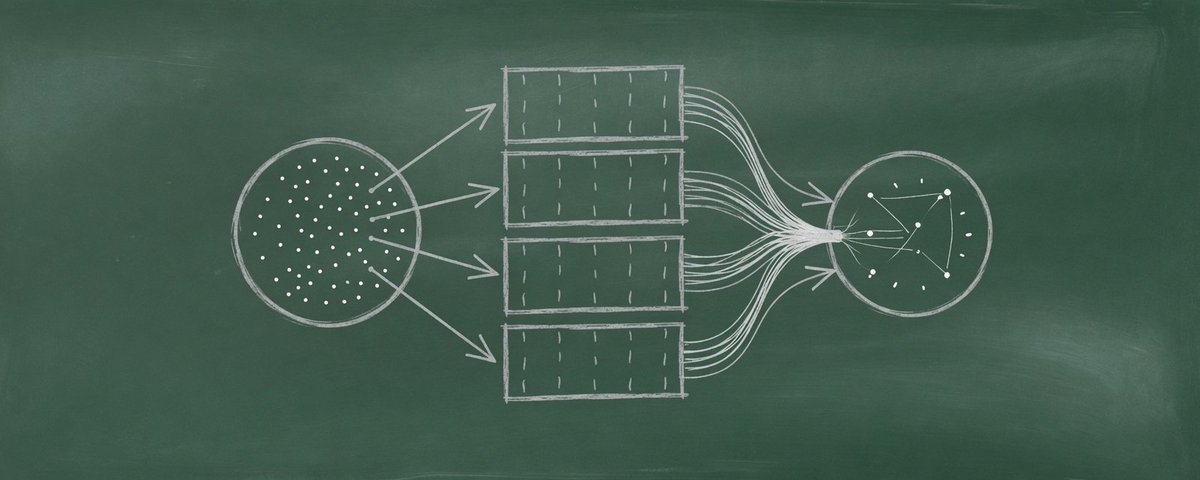
How do AI models learn new skills and behaviors?
The process is surprisingly human and easy to understand, even if you don’t have a machine learning background.
## Helpful colleagues
AI models, increasingly used through agents, are similar to a helpful colleague. What traits do the best people you’ve worked with share?
Maybe you thought of coworkers who were great communicators, or who had the judgment to know when to ask for help versus when to figure it out themselves. There are also more human qualities, like being personable, empathetic, and kind. But I particularly enjoy working with people who can take ambiguous problems and find ways to solve them.
So how do we get a model to act like that ideal colleague? We need to first write down our version of the “correct” behavior. This document is called a model specification, principles, constitution, or similar. It's used both for internal alignment and as a guideline for testing model behavior (i.e. evals) during training.
## How do we get better at our jobs?
My over-simplification is to try hard things, fail, learn, and get better through repetition.
If you’re onboarding a new teammate, you don’t expect them to be productive on day one. They need to learn how to use your systems and tools, and how your team works together. Humans, with all our imperfections, are quite good at learning new skills (and remembering them).
Let’s say you want to become the best basketball player in the world. Which approach should you take to improve your skills?
1. Read everything ever written about the game of basketball. We’re going to ignore being limited to 24 hours in a day.
2. Play 10,000 games of basketball. The same time-bending rules apply. You learn through trial and error, reviewing film, grading your decision making, and improving during practice.
Knowledge and experience are two different stats, and ideally you want to max both. It reminds me of how people talk about “book smarts” versus “street smarts”. The best players have each.
How do we learn things faster? With a coach! The ideal coach will watch you play, tell you what to fix, and always push you against your current limits. They’ll teach you how to make high-quality decisions when you’re on your own, nudging your brain weights toward better decisions over time.
## How do models learn?
Models don’t learn exactly like humans, but human learning provides a useful analogy.
These models start by learning to predict patterns from an enormous library of other people’s experience (i.e. pretraining). They actually can read every book on basketball!
After pretraining, you have a base model. The model may be very “book smart” (e.g. it knows everything about ancient history) but it is imperfect and has some quirks. It doesn’t feel great to talk to and can make mistakes.
You then show the model many examples of great behavior you want it to mimic (i.e. supervised fine-tuning, or SFT). Think about this like studying film of great players. This gets you far, but you can’t become great only by copying someone else’s moves.
You need to watch the model do real work so you can help it learn and improve. To shape its behavior, you let the model play simulated games and reward it when it does well (i.e. reinforcement learning, or RL). This reward is like a coach’s feedback, where you tell the model if the decisions it made were good or bad, nudging it to improve with more attempts.
New research also suggests that more generalizable qualities like truthfulness can be learned during RL. If you teach the model to be more honest when answering questions from one domain, values like truthfulness can generalize when answering any question.
## Grading the model
We measure whether models are improving in two main ways: practice tests where they can review the answers, and final exams where they’ve never seen the questions before.
It would be hard for humans to know if we’re improving at calculus, for example, without testing for understanding. If you take a test and fail, you know exactly where you need to improve, but this only works when the domain being tested (e.g. math) has an answer key.
One of the main challenges for training large AI models is creating a diverse set of “tests”. These tests could be on anything from math to coding. If you can create an answer key, then the models can try the test many times and learn to improve.
What about measuring intelligence across many different tasks? Think about AP exams, which cover subjects from calculus to history. Many of these exams combine multiple-choice questions scored by correctness with free-response questions graded against a rubric.
This is similar to how we evaluate models with benchmarks. Some benchmarks measure objectively verifiable things (e.g. did the tests pass?) and others ask a separate model to grade the results using a rubric (i.e. LLM-as-judge). These results give you a reference to understand if the model is actually learning and improving during training.
Critically, benchmarks are intended to test unseen or “held-out” tasks. Otherwise, it would be a bit like memorizing all the answers to your test, and then showing up and writing them down from memory, which isn’t a true measure of intelligence.
## Intelligence alone isn’t enough
If you’re a genius, but rude and socially unaware, chances are people won’t like you.
We can all probably think of someone we know like this. It’s not enough to just be smart! This is why aligning models to act “correctly” (according to the model spec we defined) is incredibly important.
Imagine you had a friend who ended every conversation with some now-popularized LLM slop like “Honestly? That’s the tell”. You’d quickly get tired of talking with them.
Engineers and researchers training models spend a bunch of time talking to a new model before it’s finished. They document all the quirks and places where it could improve. This could be overuse of stock phrases like “Bottom line:” or sacrificing clarity for a shorter bullet point, leading to some weird unintelligible language with overly complex words.
With the issues identified, they can then work to train the model further and penalize bad behaviors, slowly leading to a model with more aligned behavior. Additionally, they can A/B test the model in production and measure whether users preferred responses from the new version and had better outcomes.
## Continual learning
You might expect these models to improve and get smarter over time.
But that’s not how they work today! Learning only happens when the model is training. Your conversations don’t update the model’s intelligence in real time.
Instead, you need to write down things to remember, typically as rules or skills. Agents can then read these files and include them in context when prompting the model.
This naive approach to memory through files has worked surprisingly well, but there’s more work to do before agents can learn and remember skills the same way a new colleague would.
Teaching models to be helpful is a deep topic. Hopefully this high-level overview was interesting enough to inspire you to go learn more. If you want to see more explanations like this, or want me to cover another part in more depth, let me know!
## 相关链接
- [Lee Robinson](https://x.com/leerob)
- [@leerob](https://x.com/leerob)
- [12K](https://x.com/leerob/status/2080467752897146898/analytics)
- [model specification](https://model-spec.openai.com/2025-12-18.html)
- [principles](https://ai.google/principles/)
- [constitution](https://www.anthropic.com/constitution)
- [New research](https://alignment.openai.com/beneficial-rl/)
- [Upgrade to Premium](https://x.com/i/premium_sign_up)
- [9:39 AM · Jul 24, 2026](https://x.com/leerob/status/2080467752897146898)
- [12.1K Views](https://x.com/leerob/status/2080467752897146898/analytics)
- [View quotes](https://x.com/leerob/status/2080467752897146898/quotes)
---
*导出时间: 2026/7/24 11:06:09*
---
## 中文翻译
# 我们如何教授 AI 模型
**作者**: Lee Robinson
**日期**: 2026-07-24T01:39:00.000Z
**来源**: [https://x.com/leerob/status/2080467752897146898](https://x.com/leerob/status/2080467752897146898)
---

AI 模型是如何学习新技能和行为的?
这个过程出人意料地符合人性,而且很容易理解,即使你没有机器学习背景也能明白。
## 乐于助人的同事
AI 模型越来越多地通过智能体被使用,它们像一位乐于助人的同事。你共事过的最优秀的人有哪些共同特质?
也许你会想到那些沟通能力很强的同事,或者那些有判断力、知道何时求助、何时自己解决问题的同事。还有一些更具人性的特质,比如平易近人、富有同理心和善良。但我特别喜欢与那些能够解决模糊问题并找到解决方案的人一起工作。
那么,我们要如何让模型表现得像那位理想的同事呢?我们需要首先写下我们对“正确”行为的定义。这份文档被称为模型规范、原则、宪法或类似的名称。它既用于内部对齐,也作为训练期间测试模型行为(即评估/evals)的指南。
## 我们如何在工作中变得更好?
我把这个过程过度简化为:尝试困难的事情,失败,学习,并通过重复变得更好。
如果你正在指导一位新团队成员,你不会指望他在第一天就富有成效。他需要学习如何使用你们的系统和工具,以及你们的团队如何协作。人类,尽管有种种不完美,但非常擅长学习新技能(并记住它们)。
假设你想成为世界上最好的篮球运动员。你应该采取哪种方法来提高你的技能?
1. 阅读所有关于篮球的著作。我们将忽略每天只有 24 小时的限制。
2. 打 10,000 场篮球比赛。同样的时间扭曲规则适用。你通过试错、看录像、评估你的决策并在练习中改进来学习。
知识和经验是两种不同的属性,理想情况下,你希望将两者都最大化。这让我想起人们常说的“书本智慧”与“街头智慧”。最优秀的选手两者兼备。
我们要如何学得更快?通过教练!理想的教练会看你比赛,告诉你哪里需要修正,并总是推动你突破当下的极限。他们会教你在独处时如何做出高质量的决策,随着时间的推移,引导你的大脑权重倾向于做出更好的决策。
## 模型是如何学习的?
模型的学习方式与人类并不完全相同,但人类的学习提供了一个有用的类比。
这些模型首先通过学习从海量的他人经验库中预测模式(即预训练)。它们确实可以阅读所有关于篮球的书!
预训练之后,你会得到一个基础模型。这个模型可能非常“有书本智慧”(例如,它了解关于古代历史的一切),但它并不完美,有一些怪癖。与它交谈的感觉并不好,它可能会犯错。
然后,你向模型展示许多你希望它模仿的优秀行为示例(即监督微调,或 SFT)。可以把这想象成研究伟大球员的比赛录像。这能让你走得很远,但你不能仅靠模仿别人的动作就变得伟大。
你需要观察模型做实际工作,这样你才能帮助它学习和改进。为了塑造它的行为,你让模型进行模拟游戏,并在它表现出色时给予奖励(即强化学习,或 RL)。这种奖励就像教练的反馈,你告诉模型它做出的决策是好是坏,通过更多的尝试引导它改进。
新的研究还表明,像诚实这样更通用的品质也可以在 RL 过程中学习。如果你教导模型在回答某个领域的问题时更加诚实,那么像诚实这样的价值观在回答任何问题时都能泛化。
## 给模型打分
我们主要通过两种方式衡量模型是否在改进:可以查看答案的练习测试,以及它们从未见过的考题的期末考试。
例如,如果没有通过测试来理解,人类很难知道自己微积分是否有进步。如果你参加测试并失败了,你就确切地知道自己需要在哪些方面改进,但这只有在被测试的领域(例如数学)有答案键时才有效。
训练大型 AI 模型的主要挑战之一是创建一套多样化的“测试”。这些测试可能涵盖从数学到编程的任何内容。如果你能创建一个答案键,那么模型就可以尝试多次测试并学习改进。
那么如何衡量在许多不同任务上的智力表现呢?想想 AP 考试,它涵盖了从微积分到历史的各种科目。许多这类考试将按正确率评分的选择题与按评分标准评分的自由回答题结合起来。
这与我们使用基准测试评估模型的方式类似。有些基准测试衡量客观可验证的事物(例如测试是否通过?),而其他的则要求另一个模型使用评分标准对结果进行评分(即 LLM-as-judge)。这些结果为你提供了一个参考,以了解模型在训练期间是否真的在学习和改进。
关键是,基准测试旨在测试未见过的或“保留”的任务。否则,这有点像背诵了考试的所有答案,然后到场后凭记忆写下来,这并不是智力的真正衡量标准。
## 光有智力是不够的
如果你是个天才,但粗鲁且缺乏社交意识,人们很可能不会喜欢你。
我们大概都能想到身边这样的人。光聪明是不够的!这就是为什么让模型的行为与“正确”(根据我们定义的模型规范)保持一致是至关重要的。
想象一下,你有一个朋友,每次谈话结束时都会说一些现在流行的 LLM 废话,比如“说实话?这就是破绽”。你很快就会厌倦与他们交谈。
训练模型的工程师和研究人员会在模型完成前花大量时间与它对话。他们记录所有的怪癖和可以改进的地方。这可能包括过度使用像“底线是:”这样的陈词滥调,或者为了更短的项目符号而牺牲清晰度,导致使用过于复杂的词汇生成一些奇怪且难以理解的语言。
确定了问题后,他们就可以进一步训练模型,并对不良行为进行惩罚,慢慢引导出行为更一致的模型。此外,他们可以在生产环境中对模型进行 A/B 测试,并测量用户是否更喜欢新版本的响应以及是否有更好的结果。
## 持续学习
你可能期望这些模型随着时间的推移会变得更聪明。
但这并不是它们今天的工作方式!学习只发生在模型训练期间。你的对话不会实时更新模型的智力。
相反,你需要写下需要记住的内容,通常以规则或技能的形式。然后,智能体可以读取这些文件,并在提示模型时将其包含在上下文中。
这种通过文件进行记忆的朴素方法效果出奇地好,但在智能体能像新同事那样学习和记住技能之前,还有更多工作要做。
教导模型变得乐于助人是一个深奥的话题。希望这个高层次的概述足够有趣,能激发你去了解更多。如果你想看到更多这样的解释,或者希望我更深入地涵盖另一个部分,请告诉我!
## 相关链接
- [Lee Robinson](https://x.com/leerob)
- [@leerob](https://x.com/leerob)
- [12K](https://x.com/leerob/status/2080467752897146898/analytics)
- [model specification](https://model-spec.openai.com/2025-12-18.html)
- [principles](https://ai.google/principles/)
- [constitution](https://www.anthropic.com/constitution)
- [New research](https://alignment.openai.com/beneficial-rl/)
- [Upgrade to Premium](https://x.com/i/premium_sign_up)
- [9:39 AM · Jul 24, 2026](https://x.com/leerob/status/2080467752897146898)
- [12.1K Views](https://x.com/leerob/status/2080467752897146898/analytics)
- [View quotes](https://x.com/leerob/status/2080467752897146898/quotes)
---
*导出时间: 2026/7/24 11:06:09*